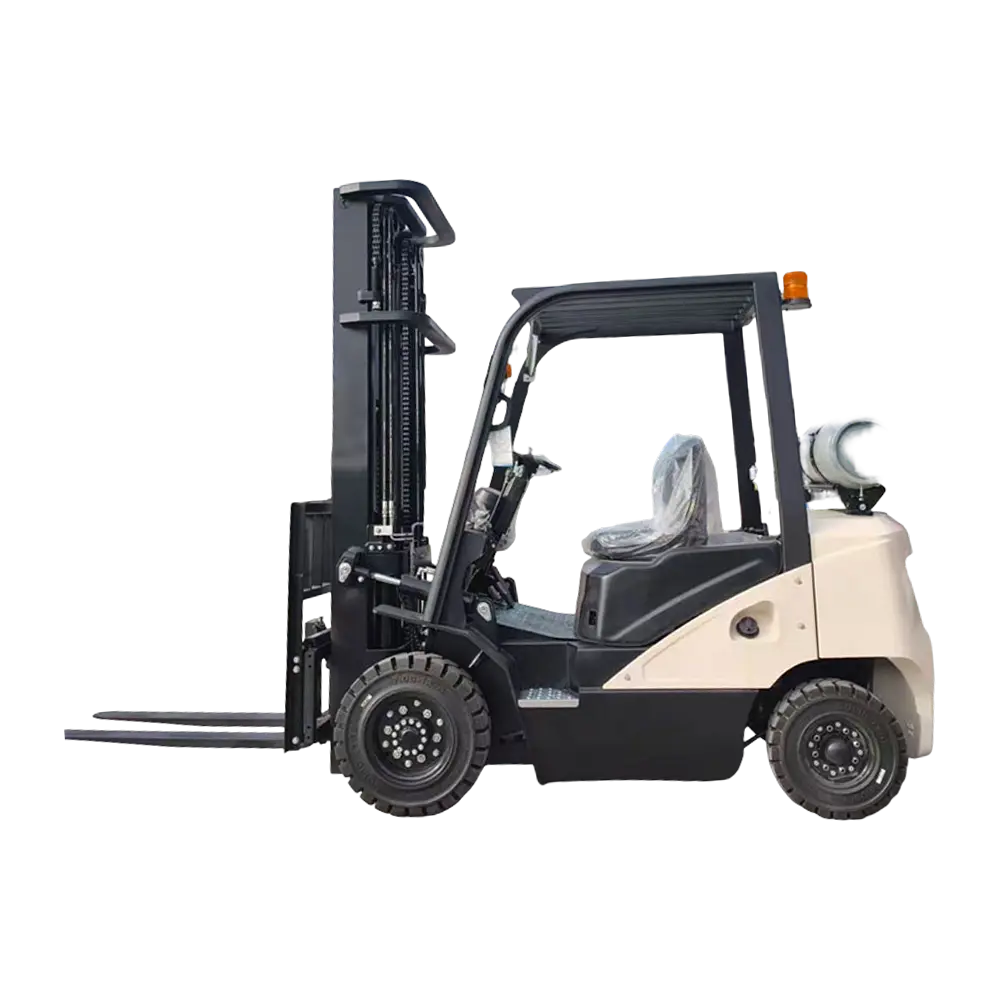
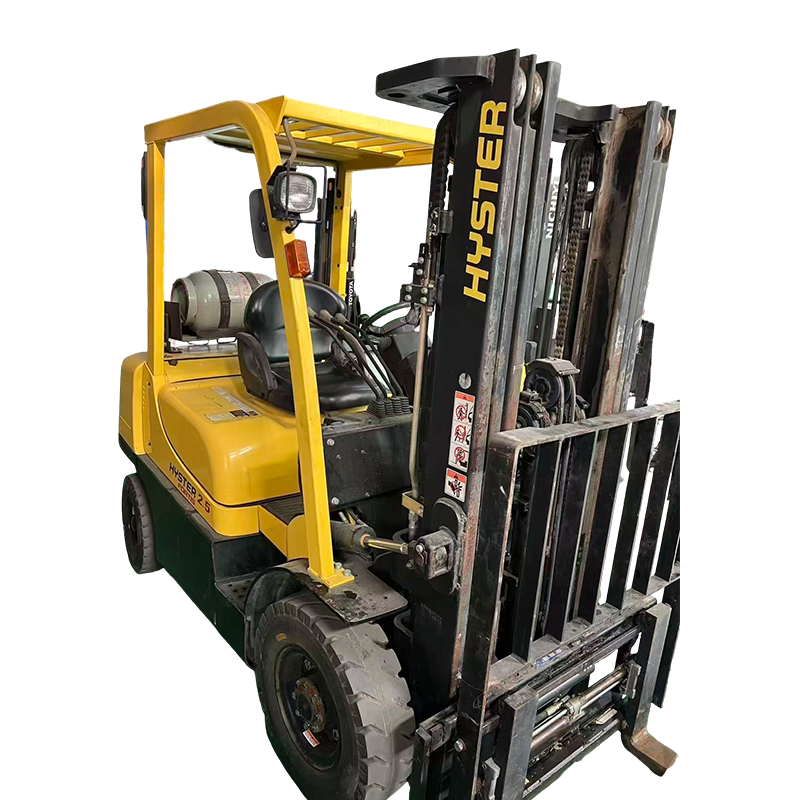
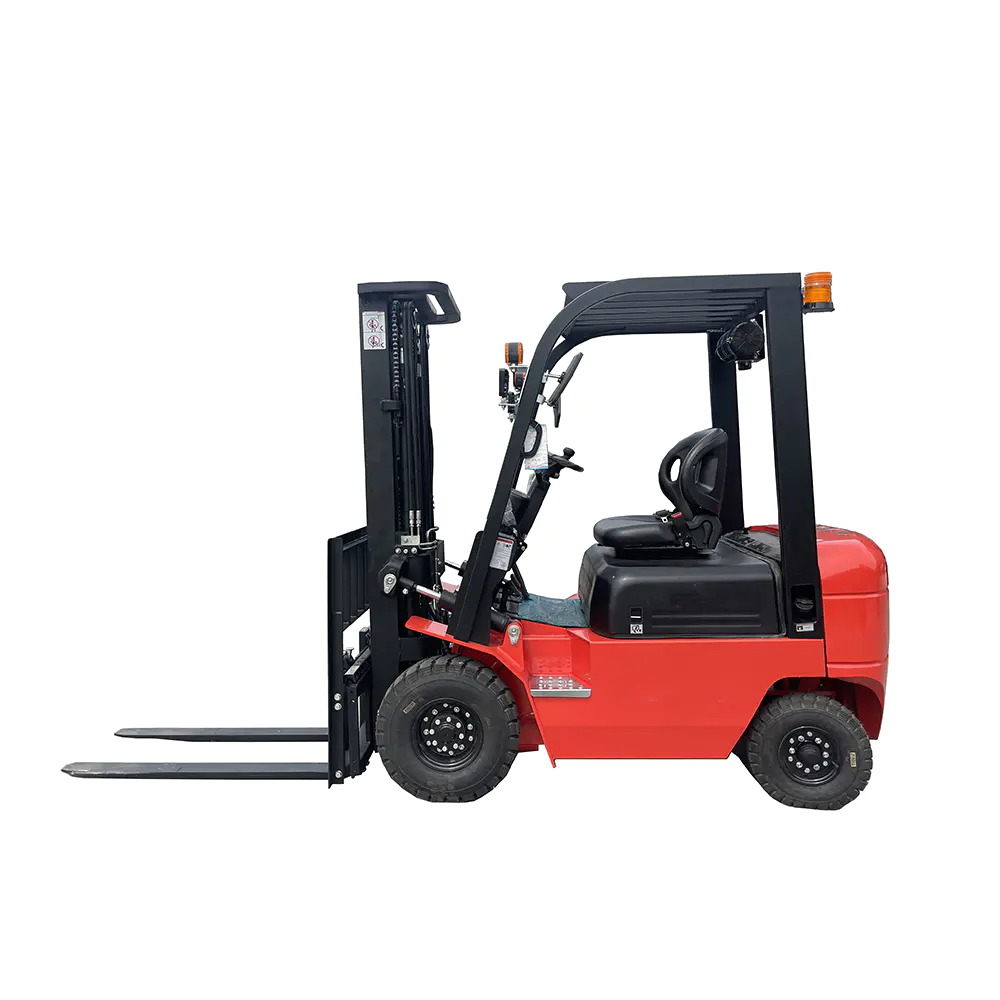
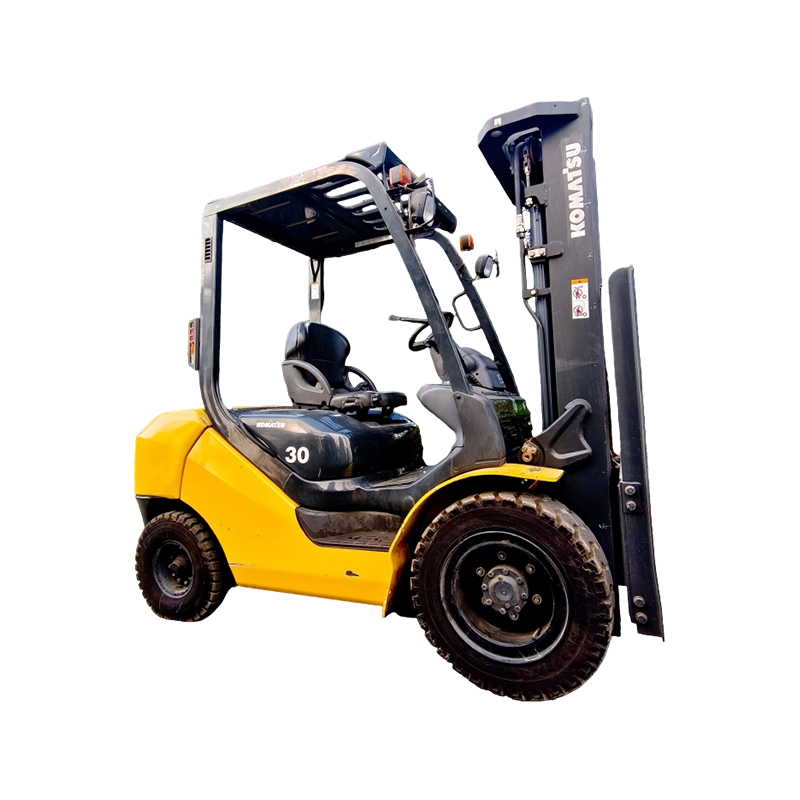
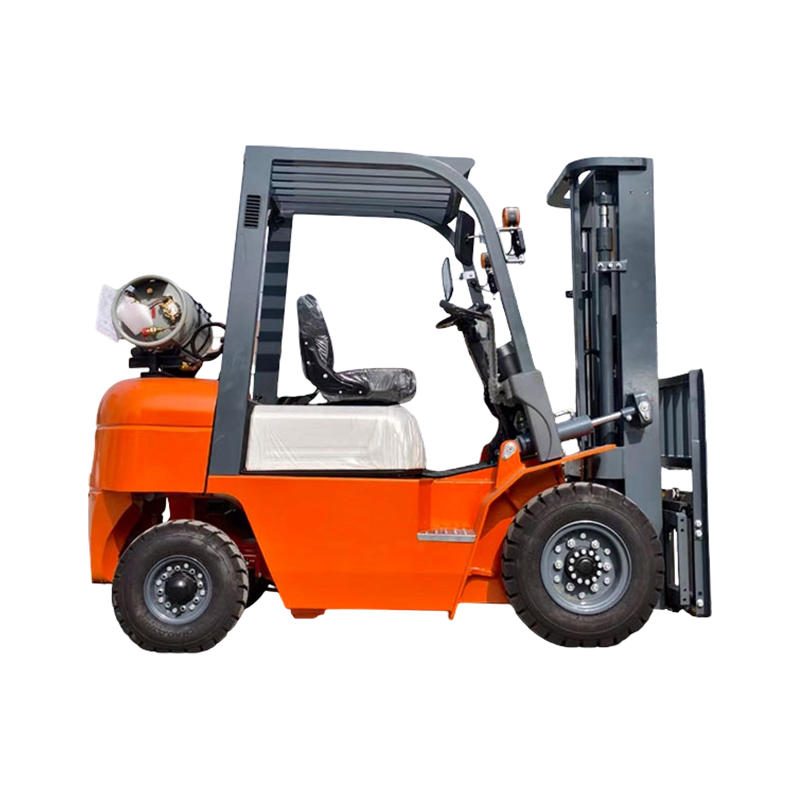
Outdoor Heavy-Duty 3-Ton Diesel Forklift: Practical Power for Demanding Material Handling
Outdoor material handling requires more than rated lifting capacity. A dependable forklift must start reliably, carry heavy loads without unstable movement, travel across mixed surfaces, fit into active loading areas, and remain serviceable throughout long working shifts. The Outdoor Japan Engine Used Mitsubishi 3t Diesel Forklift is designed around these practical requirements. With a 3,000 kg rated capacity, a 500 mm load center, a compact 2,710 mm body length, and a durable heavy-duty structure, it provides a balanced solution for warehouses, manufacturing plants, freight yards, construction-material suppliers, and other demanding operations.
This used diesel forklift combines the operating characteristics valued in industrial equipment with the cost advantages of a carefully selected pre-owned machine. Its diesel powertrain is suited to outdoor work, while its compact dimensions help operators work in restricted spaces. The high-strength cast iron chassis and wear-resistant alloy steel mast are intended to support repeated lifting cycles, loaded travel, and routine yard activity.
Equipment focus
A 3-ton diesel forklift for outdoor loading, pallet handling, production support, warehouse transfer, and heavy-duty industrial operations.
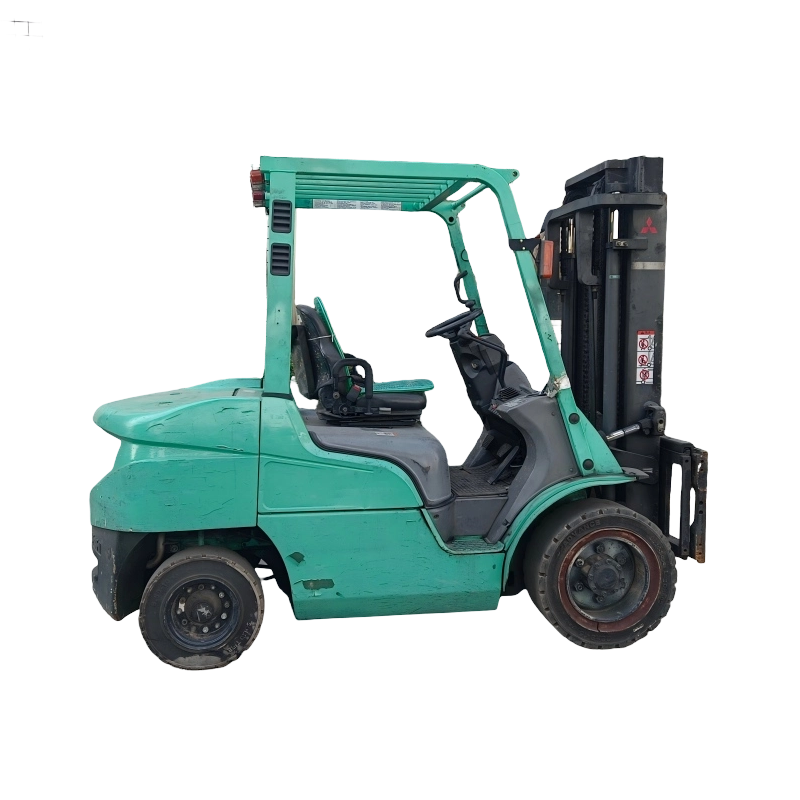
Outdoor Japan Engine Used Mitsubishi 3t Diesel Forklift
1. Why a 3-Ton Diesel Forklift Remains a Valuable Industrial Tool
Forklift users often need one machine to perform several different tasks. During a normal workday, the equipment may unload trucks, move raw materials to a production line, stack finished goods, transfer pallets between buildings, and position heavy items in an outdoor storage area. A machine selected only for one application can become inefficient when the working environment changes. A 3-ton diesel forklift offers a useful middle ground: it provides substantial lifting performance without the size and operating complexity associated with much larger yard equipment.
The 3,000 kg rated capacity is suitable for standard industrial pallets, boxed machinery, metal components, building materials, paper products, timber packages, and many other concentrated loads. The listed 500 mm load center corresponds to a common pallet-handling configuration. Operators should still verify the actual capacity chart, attachment configuration, mast height, load dimensions, and condition of the load before operation. Rated capacity is not a substitute for safe load assessment, but it gives purchasing teams a clear starting point when comparing equipment.
Diesel power is particularly useful where the forklift must spend significant time outdoors. Unlike equipment intended primarily for clean indoor environments, a diesel forklift is commonly selected for open yards, loading docks, heavy manufacturing areas, recycling facilities, agricultural supply operations, and construction-related logistics. Its low-speed torque supports controlled movement under load, while the fuel system allows the machine to return to service quickly when refueling procedures are properly managed.
01
Practical lifting range
The 3,000 kg rated capacity supports common heavy pallet and industrial load requirements without requiring an oversized machine.
02
Outdoor-ready power
A diesel configuration is well suited to extended yard work, loading areas, and industrial applications where continuous operation is important.
03
Compact handling profile
A 980 mm front wheelbase and 2,710 mm overall length support maneuvering in busy work zones and narrower operating routes.
04
Serviceable construction
A cast iron chassis and alloy steel mast provide a durable foundation for repeated lifting and transport cycles.
2. Main Specifications at a Glance
Technical specifications help buyers establish whether a forklift is appropriate for their site before arranging inspection or delivery. The following data summarizes the core information available for this model. Dimensions and operating limits should be confirmed against the specific machine unit, especially when purchasing used equipment, because mast configuration, tires, attachments, and refurbishment history may affect final measurements.
| Product type |
Used diesel forklift |
| Model reference |
FD3ONT |
| Rated load capacity |
3,000 kg |
| Load center |
500 mm |
| Front wheelbase |
980 mm |
| Overall length |
2,710 mm |
| Front tire inflation pressure |
7.0 bar |
| Rear tire inflation pressure |
6.0 bar |
| Chassis material |
High-strength cast iron |
| Mast material |
Wear-resistant alloy steel |
| Starting battery reference |
12V, 80Ah |
The compact front wheelbase is important in daily operations. A shorter wheelbase can help reduce the space required for turning and repositioning, although the actual turning radius also depends on steering geometry, tire condition, mast design, load size, and operator technique. In a busy yard, every improvement in maneuverability can reduce unnecessary reversing, waiting, and repeated alignment corrections.
The 2,710 mm length is also relevant when planning truck access, warehouse lanes, container approaches, and staging areas. Buyers should measure the narrowest route, account for the load length, and include clearance for safe steering. A compact body does not remove the need for a traffic plan, but it can make the machine easier to integrate into an existing site.
3. Load Capacity and Load-Center Performance
Capacity is one of the most important forklift purchasing criteria, but the number printed on a specification sheet must be understood correctly. The rated 3,000 kg capacity is associated with a 500 mm load center under the applicable operating configuration. If a load is longer, unevenly distributed, raised higher, or used with an attachment, the effective capacity may be lower. Professional users should consult the capacity plate and the machine-specific load chart before handling non-standard cargo.
A 500 mm load center is common for many palletized goods. It is especially useful for handling loads that are evenly positioned on standard pallets or forks. When loads extend far beyond the fork face, the center of gravity moves forward. This increases the leverage applied to the mast and reduces the safe lifting margin. Training, correct fork spacing, and load stabilization are therefore just as important as the nominal capacity.
The design value of a 3-ton forklift is its versatility. It can be used for routine pallet work while still providing capacity for heavier components that exceed the practical range of smaller warehouse forklifts. Compared with a compact electric warehouse model, a diesel machine in this class may be better suited to rough outdoor surfaces and long loading cycles. Compared with a larger 5-ton or 7-ton forklift, it may require less operating space and lower initial investment while still covering a large proportion of everyday industrial loads.
Positioning against common alternatives
Small warehouse forklift
Limited heavy-load range
3-ton diesel forklift
Balanced capacity and mobility
Large industrial forklift
Higher capacity, larger footprint
This visual is a general planning illustration, not a certified capacity comparison. The correct selection depends on the load chart, attachment, mast height, operating surface, and site conditions.
4. Diesel Power for Long Shifts and Outdoor Work
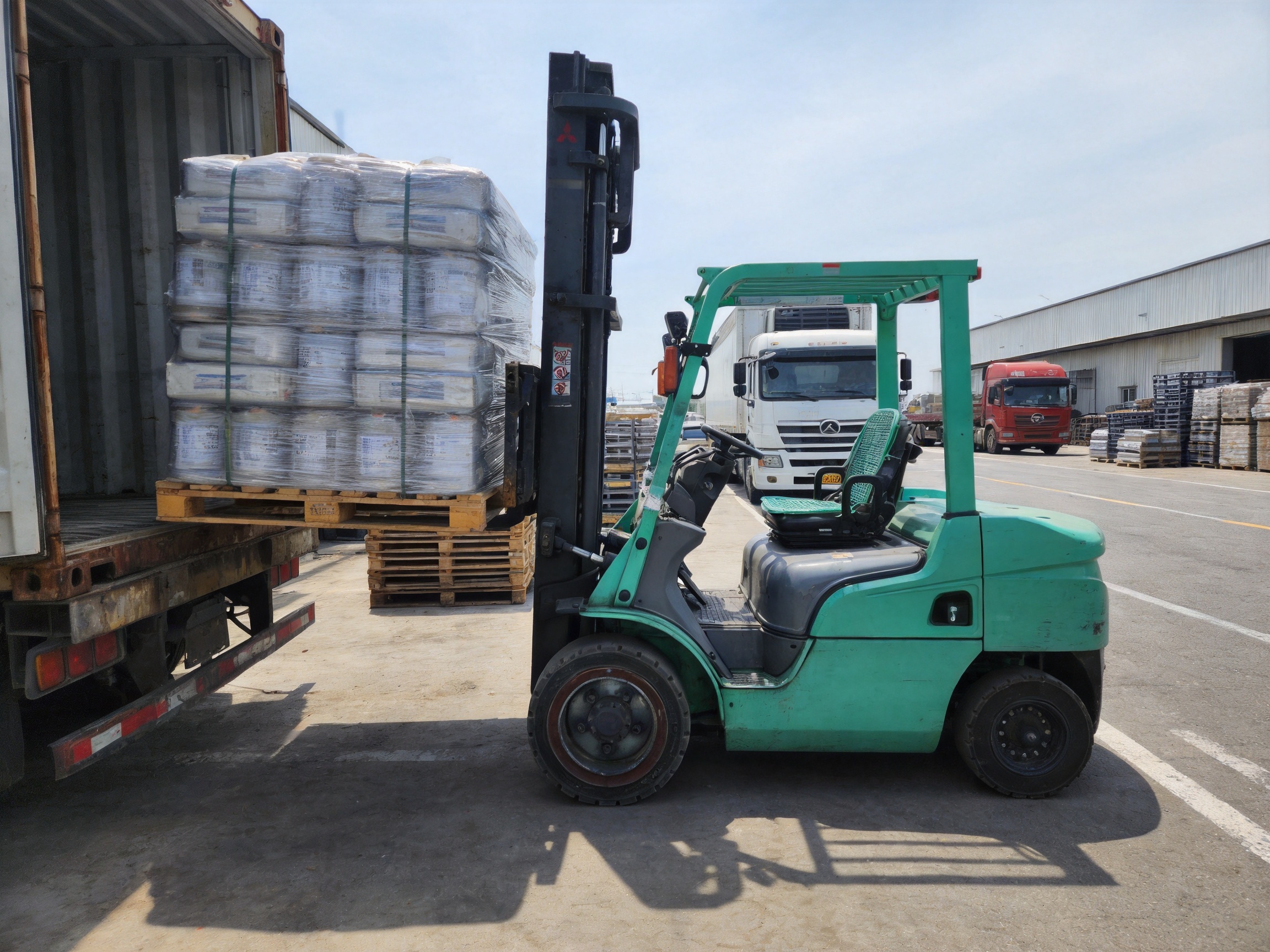
Outdoor industrial work often involves long shifts, changing weather, dust, uneven pavement, and frequent movement between loading points. Diesel forklifts remain popular in these settings because they are designed around high-load, high-utilization work. The power delivery is suitable for low-speed movement, which is important when carrying heavy loads through yards or positioning pallets close to a truck body.
The original Japan industrial diesel engine specified for this forklift is a key part of its operating profile. A reliable engine should provide stable starting, consistent response, and predictable performance during repeated load cycles. In practical terms, this means the operator can concentrate on positioning, visibility, and safe traffic movement rather than compensating for inconsistent power delivery.
The 12V 80Ah starting battery supports engine starting and the electrical functions required by the machine. Battery condition should be checked as part of every used-equipment inspection. Terminals should be clean and secure, cables should be free from damage, and the charging system should be tested. A strong battery cannot compensate for poor maintenance, but a correctly maintained starting system can reduce avoidable downtime during shift changes and cold starts.
Diesel equipment is not automatically the best choice for every application. Indoor sites with strict emissions limits, food-processing areas, enclosed rooms, and noise-sensitive operations may require electric or alternative-energy equipment. However, when the work is primarily outdoors and the loads are substantial, the diesel configuration offers a practical combination of endurance, torque, and refueling convenience.
Operating conditions where this forklift is especially suitable
Manufacturing plants: The forklift can support the movement of raw materials, steel components, molds, finished products, and production pallets between outdoor storage and indoor work areas.
Freight yards: Its 3-ton capacity and diesel configuration are appropriate for loading and unloading packaged goods, mixed pallets, and cargo prepared for regional or international transport.
Construction-material handling: Bricks, tiles, pipes, timber packages, metal sections, and bagged products often require outdoor lifting and stable travel across industrial surfaces.
Warehouse expansion areas: When a facility has both indoor storage and open-yard staging, one diesel forklift can serve as a flexible transfer machine, provided indoor operating rules permit its use.
Equipment rental and fleet support: A used 3-ton unit can provide additional seasonal or project capacity without requiring the same capital commitment as a new heavy-duty machine.
5. Structural Durability and Material Selection
Forklifts are exposed to repeated impact, vibration, braking forces, mast loads, and changing center-of-gravity conditions. Material selection therefore has a direct influence on durability. This model uses a high-strength cast iron chassis and a wear-resistant alloy steel mast. These materials are intended to provide a robust structural base for industrial handling duties.
The chassis supports the engine, transmission, counterweight, axle assemblies, operator compartment, and mast connection. A rigid chassis helps the forklift maintain predictable behavior when carrying heavy loads. It also contributes to stability on properly prepared surfaces. Operators should still avoid excessive speed, sharp turns with elevated loads, and use on slopes beyond the permitted operating range.
The mast is one of the most highly loaded areas of a forklift. It carries the carriage and forks while transmitting lifting and lowering forces through the rails, rollers, chains, and hydraulic components. Wear-resistant alloy steel can help the mast resist surface wear and deformation during repeated use. Regular inspection remains essential: mast rails, chains, rollers, welds, fork heels, and hydraulic cylinders should be examined according to a documented maintenance schedule.
Durability is not only about the strength of the original material. It also depends on manufacturing accuracy, welding quality, component alignment, surface treatment, lubrication, and the way the equipment is operated. A strong mast can still wear prematurely if it is overloaded, operated with damaged forks, or used without sufficient lubrication. The best results come from combining sound construction with disciplined maintenance.
How professional equipment preparation adds value
For a used forklift, product quality is influenced by the preparation process before shipment. A responsible equipment supplier should identify the machine, record its condition, check major systems, clean the equipment, examine visible wear points, and communicate any important limitations. This process gives the buyer a clearer basis for deciding whether the forklift matches the intended application.
Typical preparation may include visual inspection of the chassis, mast, overhead guard, forks, tires, hydraulic lines, steering system, brakes, lights, engine compartment, battery, and operating controls. The exact scope depends on the equipment condition and the agreed service package. A transparent inspection approach is more valuable than unsupported claims because it helps the buyer plan commissioning, spare parts, and maintenance after arrival.
6. Manufacturing and Quality-Control Strengths Behind the Product
Although this is a used forklift, the quality of the equipment is connected to the engineering and manufacturing standards of the original machine. It is also influenced by the supplier’s ability to inspect, prepare, store, and deliver material-handling equipment correctly. A strong industrial supplier does not treat the forklift as a simple resale item. It organizes product information, warehouse operations, technical review, spare-parts support, and after-sales communication as one connected process.
Advanced manufacturing begins with design suitability. A forklift intended for heavy-duty work must balance capacity, stability, visibility, accessibility, serviceability, and maneuverability. The chassis must accommodate the powertrain and counterweight while preserving a stable operating platform. The mast must support the planned lifting loads without unnecessary bulk. Steering and axle components must allow controlled movement in restricted spaces. These design decisions affect the user long after the machine leaves the production line.
Material control is another important area. High-strength cast iron and alloy steel components must be matched to their structural roles. Consistent material sourcing, dimensional inspection, weld verification, and component traceability help reduce variation between machines. In a professional manufacturing environment, quality assurance is not limited to the final paint finish. It includes the fit of major assemblies, the accuracy of moving components, the integrity of hydraulic connections, and the performance of safety-related systems.
For a used unit, the supplier’s preparation process functions as a second quality gate. Equipment may be received, identified, cleaned, inspected, tested, and organized for export. Warehouse space is important because forklifts need to be stored in a manner that protects tires, electrical systems, painted surfaces, and vulnerable attachments. Organized inventory also makes it easier to identify compatible parts and prepare shipments efficiently.
Engineering suitability
Capacity, wheelbase, mast strength, counterweight, and operating controls are considered together rather than evaluated as isolated specifications.
Component inspection
Key areas such as the mast, chassis, forks, tires, hydraulic systems, steering, brakes, and engine compartment can be reviewed before dispatch.
Warehouse organization
Standardized storage and inventory management help protect equipment and support faster preparation for customers in different markets.
Technical coordination
Product selection, spare parts, operating guidance, maintenance communication, and after-sales support can be coordinated through one supplier.
Manufacturing quality compared with superficial refurbishment
A forklift should not be judged only by cleaning, repainting, or cosmetic appearance. A machine may look attractive while still requiring attention to hydraulic seepage, mast roller wear, brake response, tire condition, steering play, engine starting, or fork thickness. A meaningful preparation process separates visible presentation from functional condition.
For this reason, purchasing teams should request practical information: machine identification, operating hours when available, mast type, lifting height, attachment details, tire condition, engine status, photographs of key areas, and inspection findings. Clear technical communication helps users compare equipment fairly and reduces the possibility of selecting a machine that is unsuitable for the intended load or work environment.
7. Maneuverability in Warehouses, Yards, and Loading Zones
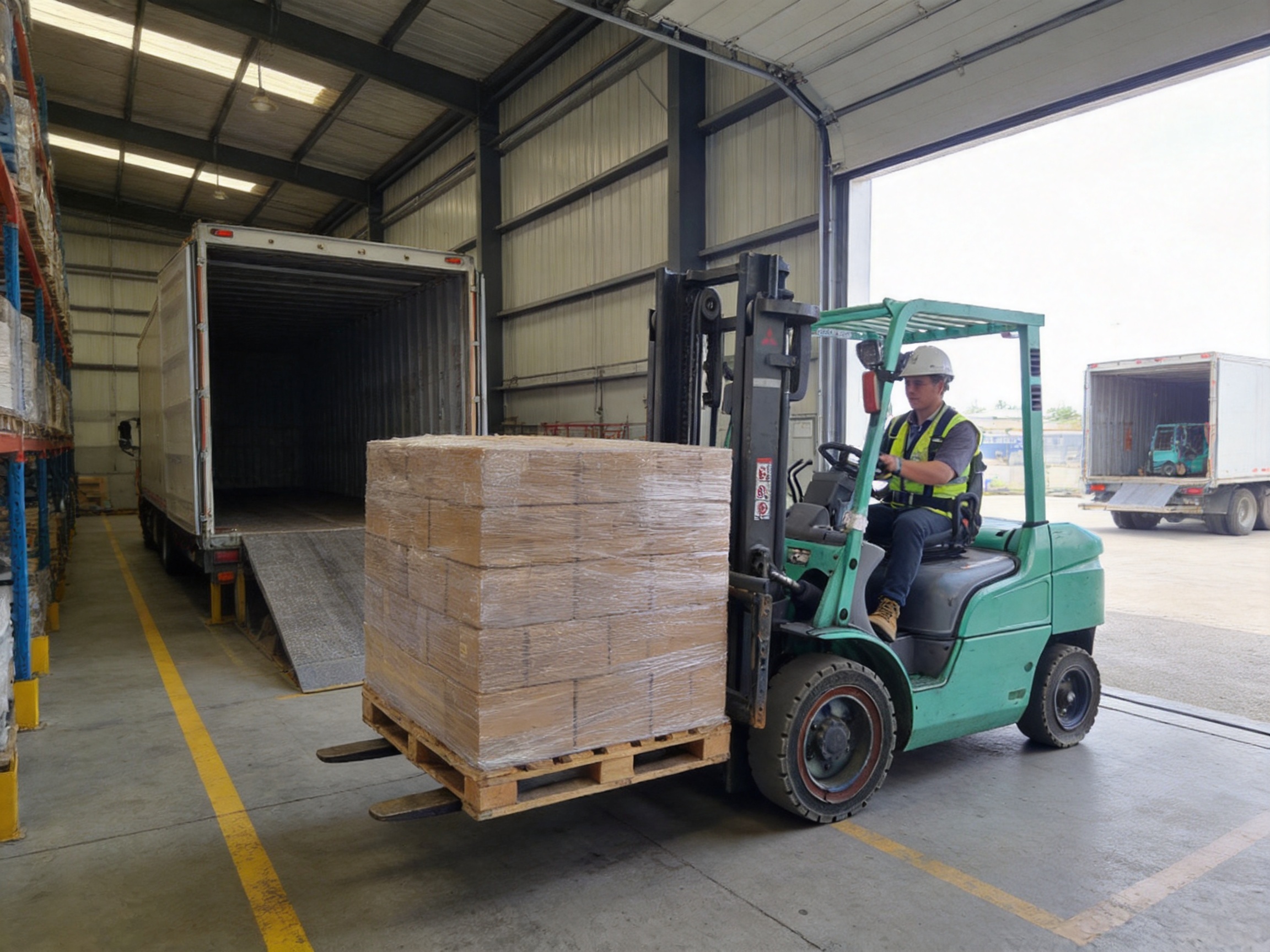
The working area around a forklift is rarely empty. Trucks may be waiting at docks, pallets may be staged along marked lanes, and other equipment may be operating nearby. A forklift with a compact body can reduce the amount of space needed for alignment and repositioning. The 980 mm front wheelbase and 2,710 mm overall length support a maneuverable operating profile for a machine in the 3-ton class.
Maneuverability improves more than convenience. It can reduce unnecessary travel, simplify pallet approach, and help operators maintain clearer separation from obstacles. In a warehouse, compact dimensions may assist with movement between staging zones. In an outdoor yard, they can help the machine work around trucks, stacks, and building corners. The benefit is greatest when the site has been planned with adequate aisle width, visible markings, safe pedestrian routes, and appropriate speed controls.
Operators should approach a load squarely, ensure that the forks are correctly spaced, insert them fully where possible, and keep the load stable before traveling. Loads should be carried at a safe low height, and the mast should be tilted according to the operating procedure. Compact dimensions do not eliminate blind spots, particularly when the load is tall or wide. Mirrors, warning systems, spotters, and site rules remain important.
1
Survey the route and confirm that the surface, clearance, and traffic conditions are suitable.
2
Approach the load at low speed and align the forklift with the pallet or lifting points.
3
Check load balance, fork engagement, overhead clearance, and the capacity plate before lifting.
4
Travel with the load low, maintain visibility, and use a spotter when the route is restricted.
8. Tire Pressure, Stability, and Surface Management
The listed tire inflation pressure is 7.0 bar for the front tires and 6.0 bar for the rear tires. Correct pressure supports predictable handling, load stability, and tire life. The actual pressure should be confirmed against the tire specification, machine documentation, and site requirements. Tires should be checked for cuts, chunking, embedded objects, uneven wear, sidewall damage, and excessive loss of tread.
Front tires carry a substantial portion of the load during lifting because the load is positioned ahead of the front axle. This makes front tire condition particularly important. Rear tires support steering and directional control. Uneven pressure or damage can affect turning behavior, braking response, and operator confidence. A simple daily tire inspection can prevent avoidable downtime and reduce the risk of unstable movement.
Surface condition is equally important. Diesel forklifts are suited to outdoor work, but “outdoor” does not mean every terrain is safe. Potholes, loose gravel, standing water, steep slopes, soft ground, and broken concrete can affect stability. Work areas should be inspected and maintained. Loads should be lowered before traveling across uneven sections, and speeds should be adjusted to the surface and visibility conditions.
9. Used Forklift Value and Total Operating Considerations
The purchase price is only one part of forklift value. Buyers should also consider transportation, commissioning, operator training, fuel, tires, filters, lubricants, scheduled maintenance, spare parts, and potential downtime. A used forklift can be financially attractive when its capacity matches the application and its condition is properly evaluated. Buying more capacity than needed can increase operating costs, while buying too little can create overload risk and productivity problems.
This 3-ton model is positioned for users who need meaningful lifting capacity without necessarily investing in a new machine. It may be suitable as a primary forklift for a small or medium industrial site, a support unit for a larger fleet, or a temporary machine during seasonal demand. Its utility is strongest when the buyer has a clear understanding of the load profile and intends to follow a planned maintenance program.
Fuel efficiency depends on engine condition, load weight, idle time, travel distance, tire pressure, operator habits, and maintenance quality. Operators can reduce unnecessary fuel use by avoiding excessive idling, planning routes, combining tasks, and maintaining smooth acceleration and braking. A well-managed operating schedule can increase productivity without requiring the forklift to travel faster.
Parts availability also contributes to value. A supplier with access to forklift spare parts and attachments can help users maintain the equipment and adapt it to changing work requirements. Common replacement items may include filters, belts, hoses, tires, forks, lights, seats, mirrors, hydraulic seals, and electrical components. Compatibility should always be confirmed using the machine model and component specifications.
A practical value checklist
Capacity fit: Does the rated capacity cover the heaviest regular load at the required load center and lift height?
Application fit: Is diesel power appropriate for the indoor, outdoor, emissions, noise, and surface conditions?
Condition fit: Are the mast, forks, tires, hydraulics, engine, brakes, steering, and safety systems suitable for the planned workload?
Service fit: Can the buyer obtain maintenance support, compatible parts, technical guidance, and consumables?
Delivery fit: Are the loading, export, transport, documentation, and commissioning requirements clearly agreed?
10. Inspection Points Before Purchase and Delivery
Used equipment should be evaluated through a structured checklist rather than a single visual impression. The following inspection areas can help buyers organize questions and compare units. The depth of inspection should reflect the expected workload, operating environment, and importance of the forklift to daily production.
Engine and starting system
Check whether the engine starts smoothly, maintains a stable idle, responds consistently to throttle input, and shows any unusual smoke, vibration, leakage, or noise. Review the battery, terminals, cables, alternator, starter, belts, hoses, and visible fluid levels. A cold-start test can provide useful information that may not be revealed by a warm engine demonstration.
Transmission, axle, and steering
Test forward and reverse engagement, acceleration, braking, steering response, and directional control. Listen for unusual noise from the drive axle and inspect for fluid leakage. Steering play should be assessed carefully because excessive looseness can make precise pallet approach difficult.
Mast, forks, and hydraulic system
Inspect the mast rails, chains, rollers, carriage, fork heels, fork tips, hydraulic cylinders, hoses, and fittings. Operate the lifting and tilting functions through their normal range. Check for jerky movement, drift, abnormal noise, and oil leakage. Forks must be checked for bending, cracks, excessive wear, and correct locking engagement.
Chassis, counterweight, and operator area
Look for cracks, unauthorized repairs, severe corrosion, loose components, and damage to the overhead guard or counterweight. Check the seat, seat belt, pedals, levers, warning devices, lights, gauges, mirrors, and access steps. Operator comfort matters because fatigue can affect control and attention during long shifts.
Tires and safety equipment
Confirm that tire condition matches the intended surface and workload. Test the service brake and parking brake. Check the horn, reverse alarm where fitted, lights, steering, warning labels, capacity plate, and emergency procedures. Safety equipment should be verified before the forklift enters service, not after the first operating incident.
| Inspection area |
What to review |
Why it matters |
| Engine and battery |
Starting, smoke, leakage, cables, charging performance |
Influences availability and shift reliability |
| Mast and forks |
Wear, alignment, cracks, chains, rollers, fork thickness |
Directly affects lifting safety and load control |
| Hydraulics |
Lift, tilt, drift, hose condition, oil leakage |
Supports smooth and predictable load handling |
| Steering and brakes |
Response, free play, stopping ability, axle condition |
Essential for maneuvering in active work areas |
| Tires and chassis |
Pressure, tread, damage, frame condition, corrosion |
Influences stability, traction, and service life |
| Safety equipment |
Seat belt, horn, lights, alarms, labels, capacity plate |
Supports compliant and controlled operation |
11. Maintenance Planning for Reliable Performance
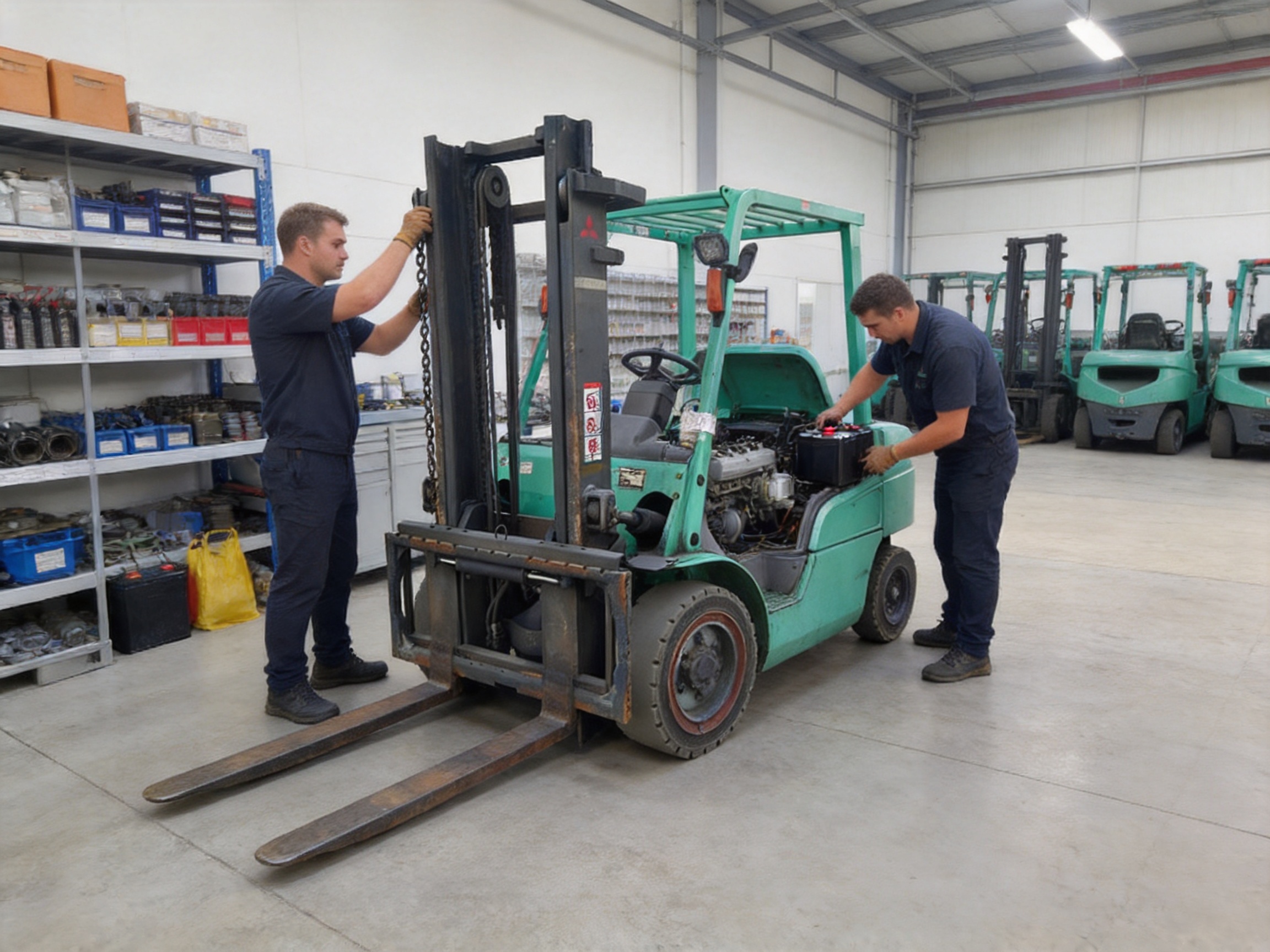
A used forklift can provide dependable service when maintenance is scheduled before problems become severe. Daily checks should include tire condition, fluid levels, leaks, forks, mast components, brakes, steering, horn, lights, seat belt, and unusual sounds. Operators should report defects immediately and remove the machine from service when a serious safety issue is identified.
Periodic maintenance should follow the engine, transmission, hydraulic, and chassis requirements. Filters and lubricants should be replaced at suitable intervals. Mast chains, rollers, pivot points, steering components, and attachment interfaces require inspection and lubrication as specified. The maintenance record should identify the date, operating hours, work completed, parts used, and any follow-up action.
Preventive maintenance is especially valuable for outdoor forklifts because dust, moisture, temperature variation, and uneven surfaces can accelerate wear. Cleaning the radiator and cooling areas helps protect engine performance. Keeping the operator compartment and steps clean improves visibility and access. Protecting exposed electrical connections and addressing hydraulic leaks early can prevent a minor issue from developing into a larger repair.
Every shift
Inspect tires, forks, mast, leaks, brakes, steering, lights, horn, seat belt, and fluid levels.
Weekly
Review tire pressure, battery condition, chains, lubrication points, cooling areas, and visible fasteners.
Periodic service
Replace filters and fluids as required, inspect hydraulic components, test operating systems, and document findings.
Before intensive work
Recheck capacity, tires, brakes, mast condition, attachments, route surfaces, and operator authorization.
12. Why Choose a Specialized Forklift Supplier
Choosing a forklift is easier when product supply, technical advice, parts access, and logistics are coordinated through an experienced specialist. A supplier focused on material-handling equipment understands that the correct machine depends on more than tonnage. The supplier should ask about load type, lift height, aisle width, surface, operating hours, indoor or outdoor use, attachments, climate, and local service resources.
Shanghai HanDavos International Trading Co., Ltd. has more than 20 years of experience in the material-handling equipment industry. Its business covers new and used forklift sales, forklift spare parts, attachments, export services, and forklift leasing. This broad product and service scope can help customers evaluate whether a used diesel forklift, electric forklift, warehouse forklift, or another configuration is more appropriate for the application.
The company operates standardized warehouse facilities covering more than 20,000 square meters in Kunshan, China. Organized warehouse capacity can support product storage, equipment preparation, parts management, and shipment coordination. It also provides a practical base for serving customers who need a complete material-handling solution rather than a single machine.
The company’s product portfolio includes equipment associated with leading industrial brands such as BYD, Toyota, HELI, HANGCHA, JAC, and LINDE. Brand availability is useful, but application advice remains more important than brand recognition alone. A forklift should be selected according to the work environment, load requirements, service conditions, budget, and expected utilization.
Support services include product selection, technical consultation, operating guidance, spare parts, maintenance coordination, and after-sales communication. These services are particularly useful for international customers who need clear specifications, shipping preparation, documentation, and practical guidance before putting the machine into operation.
13. Application Planning for Different Industries
Manufacturing and metal processing
Manufacturing sites often move raw materials and finished products through several stages. A 3-ton diesel forklift can transfer steel components, machine parts, production pallets, and packaged goods between storage areas and production lines. Its diesel configuration is useful when the site includes open yards or loading platforms. Careful route separation is necessary where forklifts and pedestrians share the same facility.
Logistics and freight handling
Freight yards require rapid loading and unloading, but speed must be controlled by visibility, traffic, and load stability. The compact body length can support maneuvering around trucks and staged pallets. Buyers should consider the average pallet weight, peak load, shift length, dock design, surface condition, and whether the forklift will work inside containers or covered areas.
Building materials and timber
Building materials may be heavy, long, uneven, or sensitive to damage. The forklift should be used only with suitable forks or approved attachments, and long loads may require additional controls or a spotter. The 3-ton capacity can be suitable for many packaged materials, but the final selection must account for load length and center of gravity.
General industrial storage
For general industrial storage, a diesel forklift can serve as a flexible yard and warehouse transfer unit. Users should verify ventilation requirements before indoor operation. Where the machine moves between indoor and outdoor spaces, the site should establish a clear policy for emissions, fuel handling, surface cleaning, and pedestrian safety.
14. Frequently Asked Questions
What is the rated capacity of this forklift?
The listed rated load capacity is 3,000 kg with a 500 mm load center. The actual safe capacity depends on the specific machine, mast height, attachment, load dimensions, and capacity plate. Operators should verify the load chart before lifting.
Is this forklift suitable for outdoor use?
Yes. Its diesel configuration, heavy-duty chassis, alloy steel mast, and industrial tire-pressure specifications make it suitable for many outdoor handling applications, including yards, loading areas, manufacturing plants, and freight operations. Surface condition and weather-related risks must still be assessed.
What does the 500 mm load center mean?
The load center is the horizontal distance from the vertical face of the forks to the load’s center of gravity. A 500 mm load center is common for standard palletized loads. Loads positioned farther forward can reduce the safe lifting capacity.
How compact is the machine?
The listed front wheelbase is 980 mm and the overall length is 2,710 mm. These dimensions can support maneuverability, but the required aisle width also depends on steering geometry, mast height, load size, attachment type, and local safety clearance.
What tire pressures are specified?
The listed pressures are 7.0 bar for the front tires and 6.0 bar for the rear tires. The correct pressure should be confirmed against the tire sidewall, machine documentation, and operating requirements before use.
What should be checked when buying this used forklift?
Review the engine, battery, transmission, steering, brakes, chassis, mast, forks, hydraulic system, tires, safety equipment, operating hours when available, and maintenance history. Ask for clear photographs and inspection details for the specific unit.
Can the forklift be used indoors?
Indoor use depends on ventilation, emissions rules, noise requirements, facility policy, and the specific work environment. Diesel equipment is generally more appropriate for well-ventilated industrial areas than enclosed or emissions-sensitive spaces.
Can attachments be used with the forklift?
Attachments may be possible when they are compatible with the carriage and hydraulic system. Any attachment changes the effective load center and may reduce rated capacity. The supplier and capacity plate should be consulted before installation or operation.
What support can an international buyer request?
Customers can request product selection assistance, technical information, equipment photographs, spare-parts guidance, shipping coordination, operation advice, and after-sales communication. Exact services should be confirmed for the selected machine and destination.
15. Recommended Selection Process
A clear selection process reduces uncertainty and helps users purchase equipment that fits the actual work. Begin by listing the heaviest regular load, the load dimensions, the load center, required lift height, operating surface, average daily hours, indoor or outdoor ratio, and available maintenance resources. This information allows a supplier to recommend a suitable class of forklift rather than relying on capacity alone.
Next, compare the required specifications with the available machine. Confirm capacity, dimensions, mast configuration, tires, powertrain, attachments, and safety equipment. Ask for the condition of the specific unit instead of relying only on a general model description. If possible, arrange a demonstration or third-party inspection for high-utilization applications.
Finally, plan delivery and commissioning. Confirm loading requirements, export documentation, destination regulations, fuel or battery needs, spare parts, operator training, and maintenance responsibilities. A forklift becomes productive when it is safely integrated into the site, not merely when it arrives at the gate.
Make the 3-Ton Capacity Work for Your Operation
The Outdoor Japan Engine Used Mitsubishi 3t Diesel Forklift offers a practical combination of lifting capacity, diesel endurance, compact proportions, and durable construction. Its 3,000 kg rating supports many industrial loads, while the 980 mm front wheelbase and 2,710 mm body length help it operate in busy yards and warehouse transfer areas. With proper inspection, correct load management, scheduled maintenance, and suitable operator training, it can become a cost-conscious addition to a demanding material-handling fleet.
For equipment selection, technical consultation, spare parts, leasing, export preparation, or after-sales coordination, contact Shanghai HanDavos International Trading Co., Ltd. at +86 150 6265 1609 or forklift-05@aliyun.com. The company’s offices are located at No. 398 Hengchangjing Road, Zhoushi Town, Kunshan City, Jiangsu Province, China, and No. 199 Huangpu River Middle Road, Kunshan Development Zone, Jiangsu Province, China.
References
1. Manufacturer and supplier product specification sheet for the FD3ONT used diesel forklift.
2. Industrial forklift capacity-plate and load-center principles used in material-handling planning.
3. General workplace forklift inspection and operator-safety practices.
4. Industrial vehicle preventive-maintenance procedures for diesel engines, hydraulic systems, tires, masts, and braking components.
5. Material-handling equipment selection principles for warehouses, manufacturing plants, loading docks, and outdoor freight yards.



 English
 中文简体
 русский
 Español
 عربى