2026-09-06
Content
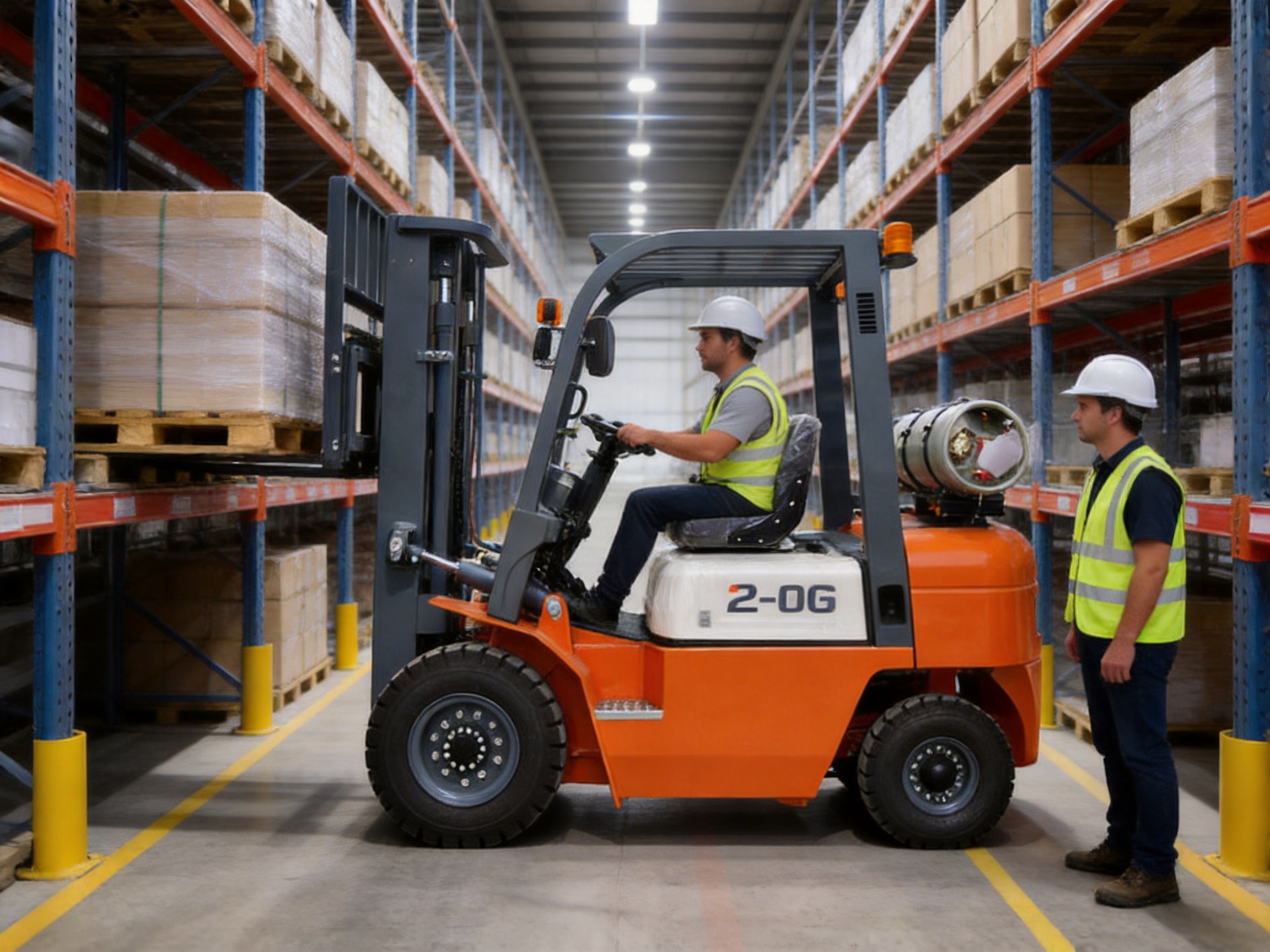
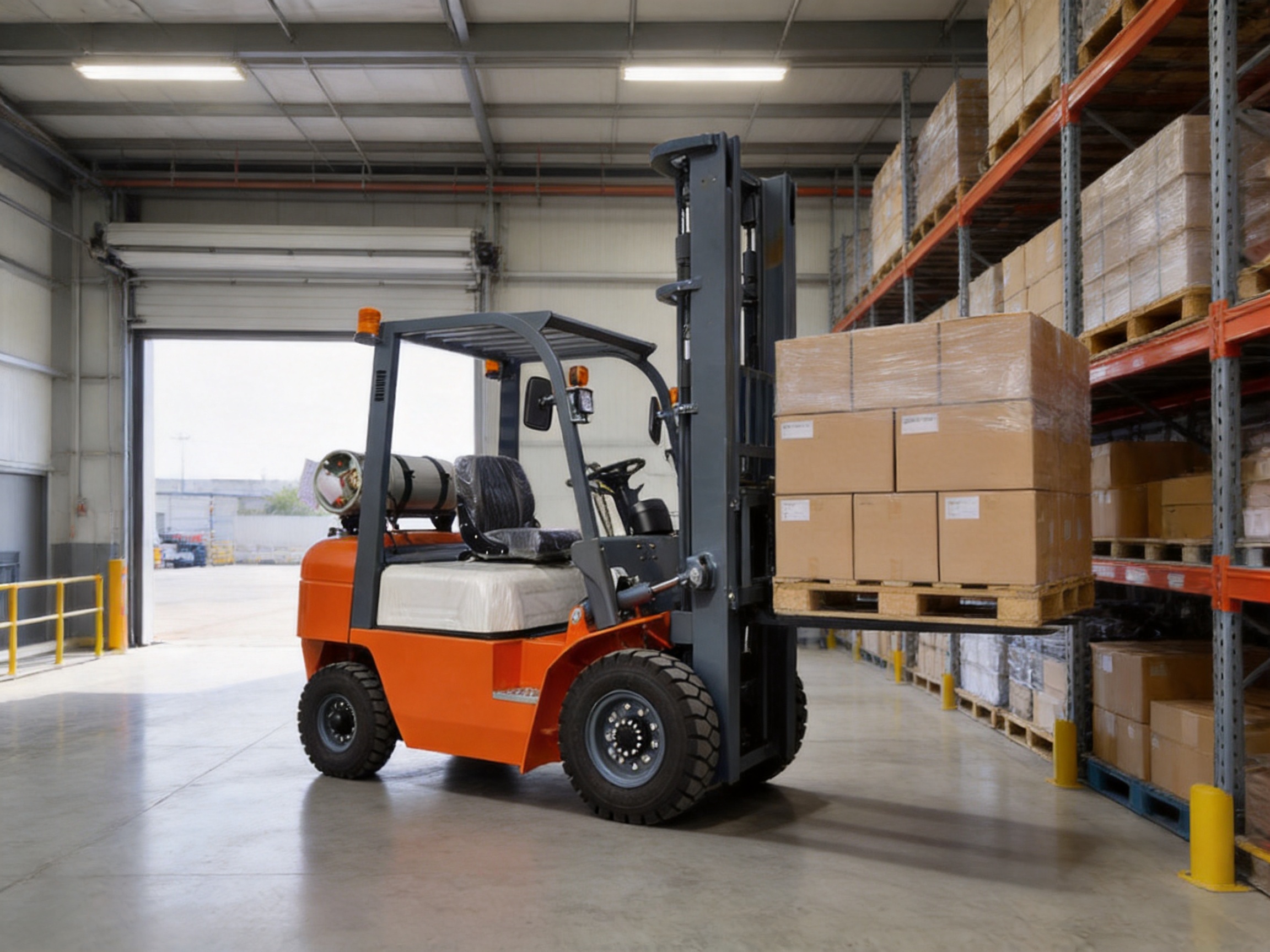
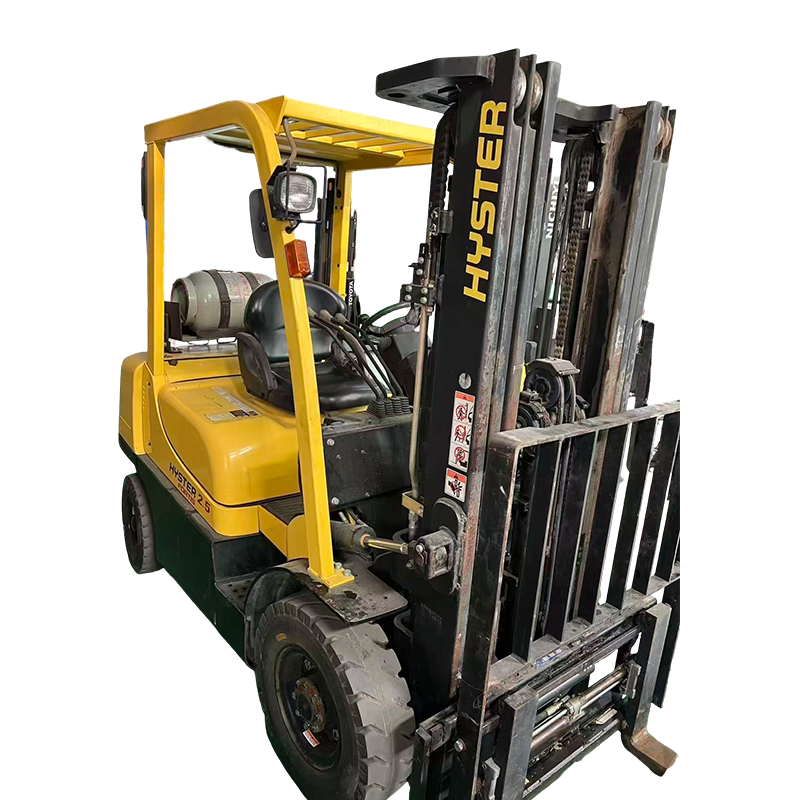
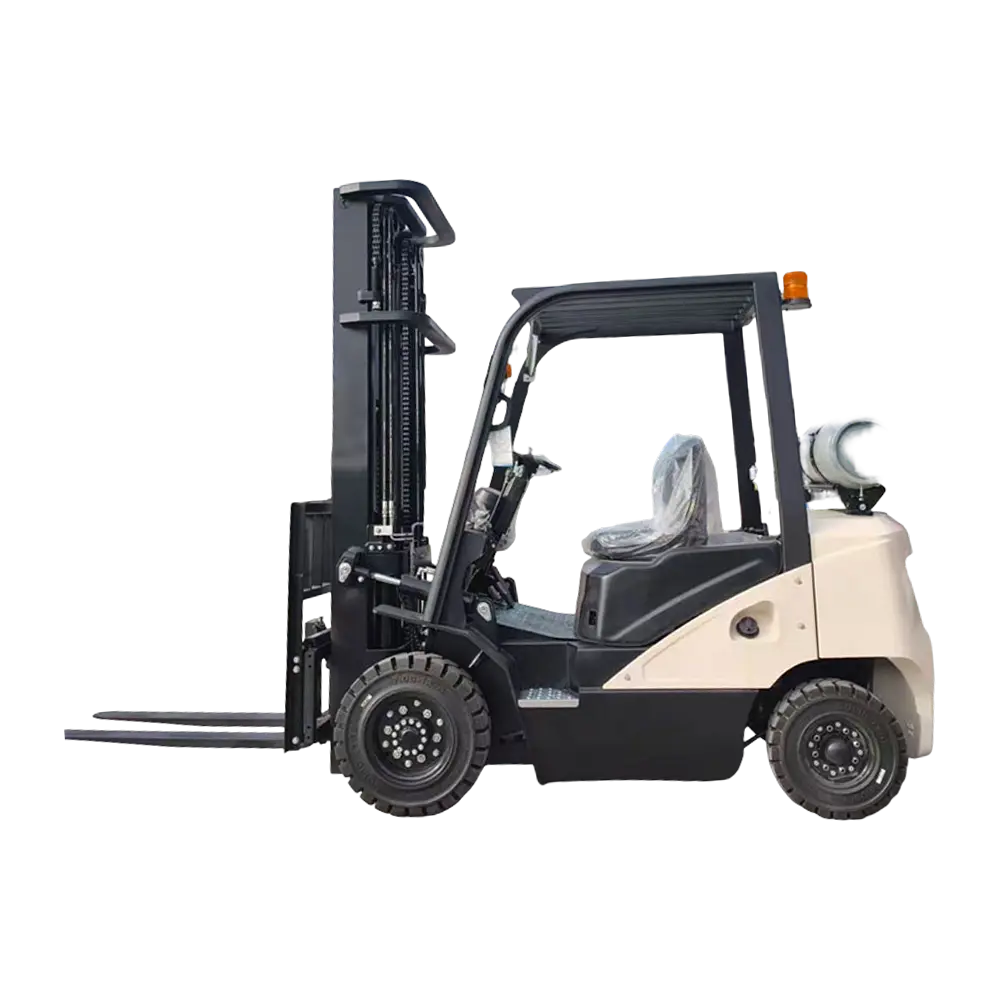
Modern warehouses, factories, distribution centers, and cargo yards require material-handling equipment that can combine lifting capacity, maneuverability, operating reliability, and reasonable ownership cost. The 2-ton LPG forklift with side shifter is designed to meet these practical requirements in one balanced machine. With a rated lifting capacity of 2,000 kilograms, 1,200-millimeter forks, pneumatic tires, a three-spool hydraulic valve, and an integrated side-shifting attachment, it is suitable for handling pallets and general industrial loads in both indoor and outdoor working environments.
This forklift is powered by a Nissan K25 LPG engine configuration, providing dependable low-speed torque and smooth operation for repetitive lifting, transporting, stacking, and loading tasks. Its design is aimed at companies that need the flexibility of an internal-combustion forklift but want a cleaner and more adaptable fuel solution than a conventional diesel truck in suitable operating conditions. LPG power is particularly useful for businesses that require extended operating shifts, rapid refueling, and strong performance across changing work cycles.
Beyond its engine and rated capacity, the forklift is equipped with a side shifter that allows operators to move the forks laterally without repositioning the entire vehicle. This feature can reduce unnecessary reversing and steering movements, helping operators align with pallets more quickly and accurately. In busy storage areas, even small improvements in positioning speed can produce meaningful gains in daily productivity.
The equipment is supported by Shanghai HanDavos International Trading Co., Ltd., a material-handling supplier with more than 20 years of industry experience. The company works with new and used forklifts, spare parts, attachments, exports, leasing services, technical consultation, maintenance, and after-sales support. Its standardized warehouse facilities and broad product inventory allow customers to obtain equipment and related components through a more centralized procurement process.
The 2-ton LPG forklift is a counterbalanced internal-combustion truck intended for medium-duty material handling. Its counterweight helps balance loads carried in front of the mast, while the pneumatic tire configuration provides traction and ground clearance for yards, loading zones, workshops, warehouses, and other surfaces that may not be perfectly smooth.
The standard rated load is 2,000 kilograms. This capacity places the forklift in a widely used category for handling palletized goods, boxed products, industrial components, building materials, packaged raw materials, and general warehouse cargo. It is large enough for many demanding applications while remaining compact and maneuverable compared with higher-capacity industrial trucks.
The forklift uses standard 1,200-millimeter forks, which are suitable for many common pallet formats. The fork spacing can be adjusted according to the load and pallet arrangement, allowing the operator to support cargo more securely. Correct fork positioning remains essential: the forks should be inserted fully beneath the pallet whenever possible, and the load should be centered before lifting or traveling.
A 3,000-millimeter mast configuration is described for this model, making it appropriate for medium-height rack storage and loading work. Actual lift height, free lift, collapsed mast height, rated capacity at different load centers, and overhead clearance should be confirmed before purchase because mast specifications may vary according to the selected configuration and application.
| Item | Specification |
|---|---|
| Product type | 2-ton LPG internal-combustion forklift |
| Rated lifting capacity | 2,000 kilograms |
| Engine configuration | Nissan K25 LPG power system |
| Fork length | 1,200 millimeters |
| Mast reference | Approximately 3,000 millimeters, subject to configuration |
| Tire type | Pneumatic tires |
| Hydraulic control | Three-spool multi-way valve |
| Attachment | Integrated side shifter |
| Primary applications | Warehouses, factories, cargo yards, loading areas, and distribution facilities |
The supplied product data contains both LPG-related descriptions and a generic diesel-forklift label in the specification table. For purchasing accuracy, the buyer should confirm the final fuel system, engine identification, emissions configuration, mast type, and auxiliary hydraulic arrangement in the commercial quotation and equipment nameplate. The product discussion in this article follows the described Nissan K25 LPG configuration.
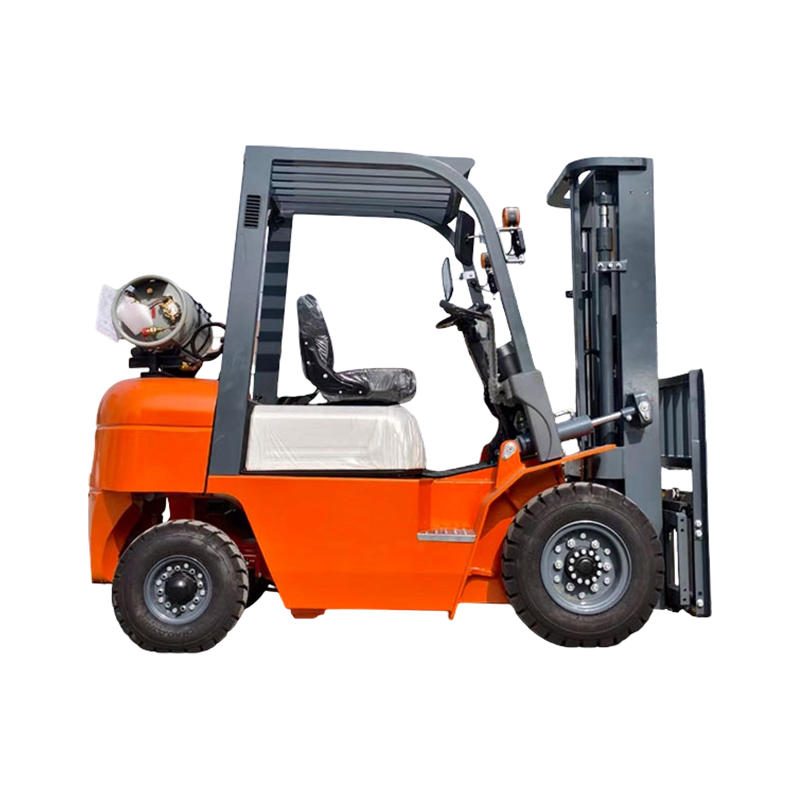
Nissan K25 Engine 2 Ton Gas LPG forklift with Side Shifter
The Nissan K25 LPG engine configuration is one of the main features distinguishing this forklift from many conventional diesel models. LPG engines are commonly selected for material-handling operations that need the flexible performance of an internal-combustion truck while seeking lower visible exhaust and a cleaner working environment than traditional diesel equipment can provide.
In suitable conditions, LPG forklifts can be used for indoor and outdoor operations, provided the facility has appropriate ventilation, fuel-handling procedures, and local regulatory approval. They are often used in manufacturing plants, packaging facilities, food-related logistics areas, retail distribution centers, and general warehouses where a diesel truck may produce excessive smoke, odor, or noise for the working environment.
The K25 engine is designed to provide useful torque at low operating speeds. Low-speed torque is important in forklift applications because the vehicle frequently starts, stops, turns, climbs small ramps, and lifts loads at relatively low travel speeds. A strong and stable power response helps the operator control the truck during pallet approach, load pickup, reversing, and ramp travel.
LPG also supports rapid refueling compared with battery charging. A business operating several shifts may appreciate the ability to replace or refill a cylinder during a planned break instead of removing the truck from service for a long charging cycle. This advantage is especially relevant where operations run continuously or where the facility does not yet have the electrical infrastructure required for a large electric forklift fleet.
Fuel selection should always match the application. LPG storage and replacement must be performed by trained personnel in accordance with local safety requirements. Cylinders should be inspected, secured correctly, and kept away from unauthorized handling. Indoor facilities must maintain suitable ventilation, and operators should follow the engine manufacturer’s procedures for starting, shutdown, inspection, and fuel-system maintenance.
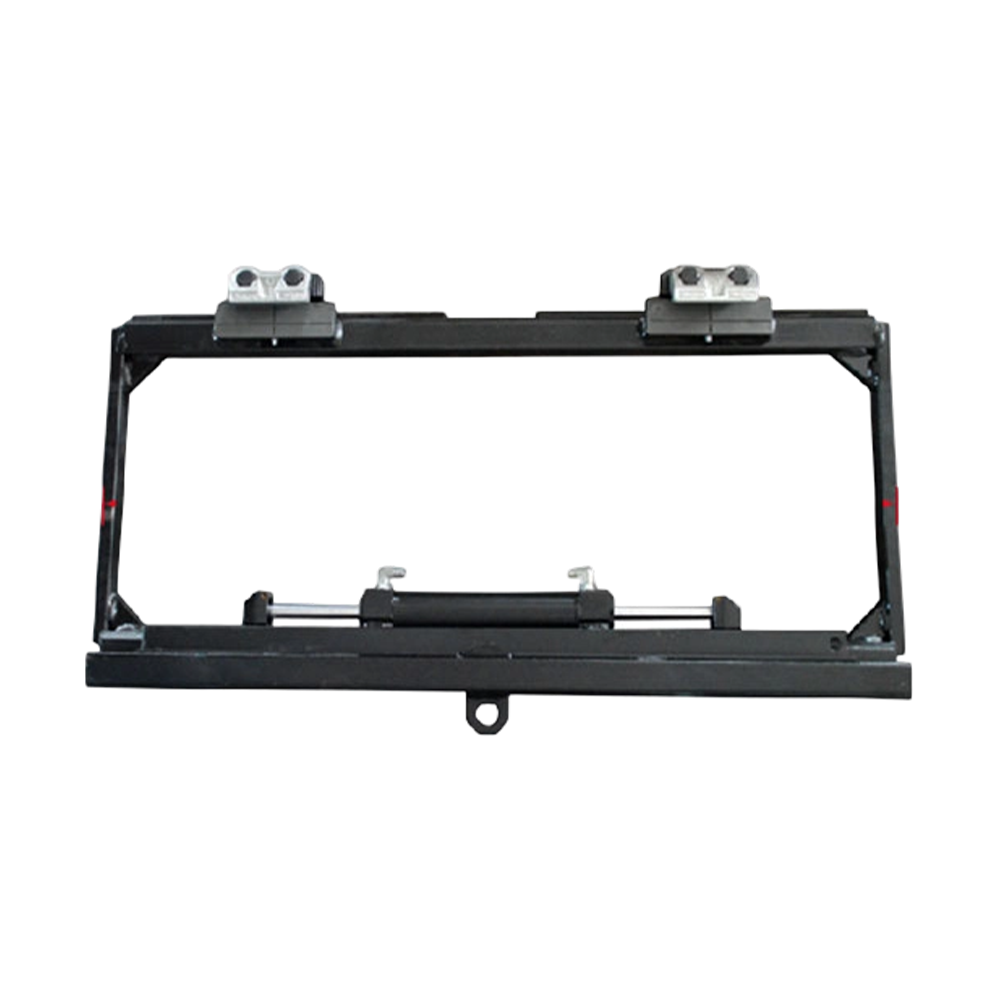
The integrated side shifter is a practical productivity feature. Without a side shifter, the operator must often steer the entire forklift forward, backward, or sideways through a series of small corrections to align the forks with a pallet. These movements take time and may increase the chance of touching racks, products, pallets, or other vehicles.
With the side shifter, the fork carriage can move left or right while the forklift remains substantially aligned with the load. This allows the operator to compensate for minor pallet-placement inaccuracies and align the forks with rack positions more efficiently. The feature is especially useful in narrow aisles, loading bays, container interiors, and areas where repeated repositioning is difficult.
Side shifting can also reduce pallet damage. A well-aligned fork entry helps prevent the forks from striking pallet boards or entering at an angle. It can reduce pressure against the load and help the operator position cargo more accurately on a rack or truck bed. Reduced contact damage can improve both handling efficiency and product protection.
The side shifter should not be treated as a substitute for proper load alignment or safe operating practices. Operators should approach loads at a controlled speed, keep the mast vertical when appropriate, insert the forks fully, and use only the approved hydraulic controls. Side-shift movement should be performed with attention to clearance, load stability, and nearby personnel.
For operations that handle varied pallet sizes, the attachment provides an advantage over a basic forklift with fixed fork positioning. The machine can accommodate small placement differences without requiring constant vehicle movement. This can be particularly valuable in export packing areas, mixed-load warehouses, manufacturing lines, and third-party logistics facilities where pallet dimensions and storage positions may vary.
The forklift uses a three-spool multi-way valve, supporting separate hydraulic functions such as lifting, mast tilting, and side shifting. A three-spool arrangement provides more flexible control than a basic two-function system because it enables the truck to operate a side-shift attachment while retaining dedicated lifting and tilting functions.
The hydraulic system includes matched components such as a gear pump, lift cylinder, tilt cylinder, hydraulic hoses, control valve, and related fittings. Matching these components is important because inconsistent flow characteristics can lead to irregular lifting speed, delayed response, excessive heat, or unnecessary wear. A properly coordinated hydraulic system helps the operator achieve smooth and predictable movement.
Lifting performance is affected by load weight, load center, hydraulic oil condition, ambient temperature, engine speed, and mast configuration. The rated capacity should never be interpreted as a universal capacity at every fork position or lift height. As the load center increases or the load is elevated higher, the effective capacity may decrease. The operator must follow the capacity plate fitted to the individual truck.
Mast tilting allows the operator to stabilize the load during travel and control the load angle during pickup or placement. Tilting slightly backward during travel may help keep a correctly positioned load against the fork backrest, while forward tilt can assist with controlled placement. These operations must be performed smoothly because abrupt movements can shift the load or affect vehicle stability.
The hydraulic system should be inspected routinely for leaking hoses, damaged fittings, worn seals, unusual noise, slow movement, and inconsistent control response. Hydraulic oil levels and service intervals should follow the maintenance manual. Leaks should never be checked with bare hands because pressurized hydraulic fluid can penetrate skin and cause serious injury.
Forklift safety depends heavily on stability. The vehicle’s counterweight, wheelbase, mast structure, axle arrangement, tire condition, load center, and operating surface all influence stability. The described design includes a substantial counterweight and heavy-duty front and rear axle components intended to support stable full-load travel.
A counterbalanced forklift carries the load in front of the front axle and uses rear body weight to counteract the load moment. This design is straightforward and highly versatile, but it requires disciplined operation. The truck must remain within its rated capacity, loads must be centered, and turns should be taken at controlled speed with the load as low as practical.
Pneumatic tires provide several advantages in outdoor and mixed-surface applications. Their flexible construction can absorb some surface irregularities and offer useful traction on concrete yards, asphalt, compacted ground, and other industrial surfaces. They may be more suitable than solid tires where the forklift regularly travels across uneven areas.
Tire selection also requires consideration of puncture risk, maintenance, floor protection, operating temperature, and application conditions. Pneumatic tires should be kept at the recommended pressure, inspected for cuts and embedded materials, and replaced when tread or sidewall damage becomes unsafe. Uneven tire wear can indicate alignment, axle, loading, or operating problems that should be investigated.
The forklift is intended to provide balanced movement under normal rated conditions. However, no counterweight can eliminate the risks associated with excessive loads, raised travel, sharp turns, uneven ground, ramps, or suspended cargo. Operators should keep the mast lowered during travel, avoid sudden steering inputs, and maintain clear visibility whenever possible.
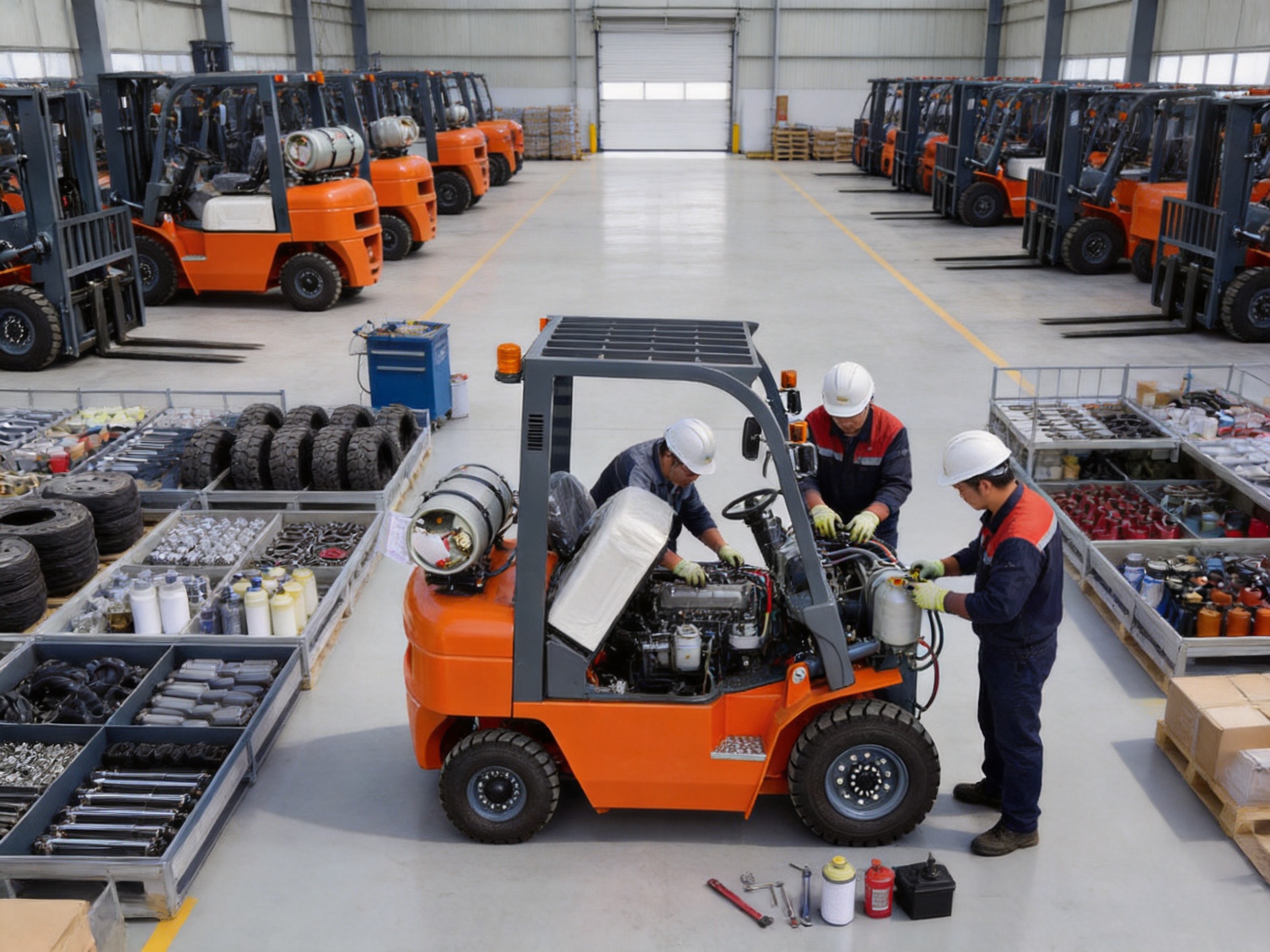
The performance of a forklift depends not only on its visible specifications but also on the consistency of its manufacturing and preparation processes. A reliable truck requires coordinated fabrication, component matching, hydraulic assembly, electrical installation, painting, inspection, commissioning, and documentation.
The supplier’s material-handling business is supported by more than two decades of experience in forklift sales, equipment sourcing, spare parts, attachments, leasing, and service. This experience provides a practical understanding of how forklifts are used after delivery. It also helps connect product selection with working conditions, maintenance expectations, replacement parts, and total operating cost.
A modern forklift preparation process normally begins with specification confirmation. The capacity, mast, fork dimensions, tire type, engine configuration, fuel system, attachment, hydraulic functions, and intended operating environment must be identified before final assembly or delivery. This stage is particularly important for a forklift equipped with a side shifter because the auxiliary hydraulic circuit must be compatible with the attachment.
Structural components such as the frame, counterweight, overhead guard, mast rails, fork carriage, and axles must be assembled with attention to dimensional accuracy. Proper alignment affects steering behavior, mast movement, tire wear, fork positioning, and overall stability. Components that appear visually acceptable can still create operating problems if they are not correctly aligned or securely fastened.
Hydraulic assembly requires cleanliness and careful routing. Dirt or metal particles in the hydraulic circuit can damage pumps, valves, cylinders, and seals. Hoses should be routed to prevent abrasion, sharp bends, excessive stretching, or contact with moving parts. Connections should be tightened correctly, and the system should be checked for leaks during commissioning.
The engine and fuel system require equally careful preparation. LPG lines, connectors, regulators, valves, mounting points, and protective components should be checked before operation. The engine should be tested for starting performance, idle stability, acceleration response, abnormal vibration, exhaust behavior, and operating temperature. Fuel-system inspections should be completed by qualified personnel.
Painting and surface treatment provide more than visual appeal. Proper cleaning, preparation, primer application, and topcoat coverage help protect steel components from corrosion caused by humidity, outdoor storage, chemicals, and normal industrial exposure. Coating quality should be inspected around welds, edges, mounting points, and areas subject to mechanical contact.
Final inspection should include load-related checks, steering response, braking, mast lifting and lowering, tilt operation, side-shift movement, horn and warning devices, instrument operation, tire condition, fastener security, and fluid levels. Where appropriate, the truck should be tested under controlled operating conditions before delivery. Inspection records and equipment documentation help establish a useful baseline for future maintenance.
Shanghai HanDavos operates standardized warehouse facilities covering more than 20,000 square meters. Such infrastructure supports inventory management, equipment storage, spare-parts availability, pre-delivery preparation, and more efficient shipment coordination. A broad inventory can be particularly valuable for international buyers seeking a complete solution rather than a single machine without supporting components.
Diesel forklifts are often selected for heavy outdoor applications, rough terrain, long operating hours, and high-capacity loads. They can provide strong torque and may be preferred where fuel availability and site conditions favor diesel. However, diesel exhaust, odor, noise, and indoor-emission concerns can limit their suitability in enclosed or sensitive work areas.
The LPG forklift offers a different balance. It is well suited to medium-duty handling where the operator needs internal-combustion flexibility but wants a fuel system that can be used in appropriate indoor and outdoor environments. It may also produce less visible smoke than an older diesel truck when correctly maintained. The final choice should consider ventilation, local regulations, fuel supply, operating hours, load requirements, and total cost.
Electric forklifts are attractive for low-emission indoor applications, quiet operation, and facilities with suitable charging infrastructure. They can perform well in clean warehouses and controlled environments. However, battery charging time, battery replacement cost, charging-space requirements, and performance changes under intensive multi-shift use may influence the purchasing decision.
The LPG truck provides rapid refueling and can remain productive through longer operating schedules when fuel is properly managed. It may also offer more flexibility for mixed indoor-outdoor work and uneven surfaces. Conversely, electric trucks may be preferable where noise and local emissions are the highest priorities. The 2-ton LPG model is therefore not a universal replacement for every forklift type, but a strong option for applications requiring balanced versatility.
A basic forklift without a side shifter can handle many standard tasks, but it may require more vehicle repositioning when pallet placement is imperfect. The integrated side shifter adds equipment cost and hydraulic complexity, yet it can improve positioning speed and reduce minor contact damage. For warehouses with frequent rack loading, mixed pallet sizes, or restricted maneuvering space, the productivity benefit may justify the additional feature.
The forklift is suitable for factories where raw materials, components, containers, and finished products must move between production areas and storage locations. Its 2-ton capacity can support many common manufacturing loads, while the side shifter helps place pallets accurately beside production lines or within rack positions.
In warehouses, the forklift can be used for unloading delivery vehicles, moving goods between receiving and storage zones, stacking pallets, replenishing pick locations, and preparing outbound shipments. Its medium-height mast is suitable for many rack systems, subject to a site survey and confirmation of the required lift height.
Distribution centers may benefit from the combination of rapid LPG refueling and side-shift positioning. In fast-moving loading areas, operators often need to align with pallets quickly while maintaining a safe distance from trucks, dock edges, racks, and other vehicles. The forklift’s pneumatic tires can support operation across indoor concrete floors and outdoor loading yards when the surfaces are suitable.
Cargo yards and workshops may require a forklift that can work on more variable ground than a small warehouse electric truck. Pneumatic tires and the counterbalanced design can provide useful flexibility, although the site should be checked for potholes, slopes, loose materials, drainage channels, and overhead obstructions.
The forklift can also be used for container loading and unloading when the mast, overhead guard, load dimensions, and container clearance are appropriate. Operators must confirm the actual container opening height and ensure that the raised load will not contact the roof, doorway, or internal structure. Container floors should be inspected for strength and damage before entry.
Only trained and authorized operators should use the forklift. Training should cover pre-start inspection, load capacity, stability principles, control operation, pedestrian awareness, LPG safety, parking, emergency response, and site-specific traffic rules.
A pre-shift inspection should include the tires, forks, fork locking pins, mast chains, carriage, hydraulic hoses, cylinders, overhead guard, seat belt, steering, brakes, horn, lights, warning devices, engine fluids, LPG cylinder, fuel connections, and visible frame components. Defects that may affect safe operation should be reported and corrected before the truck is used.
The operator should verify the load weight and center before lifting. Loads should be stable, properly arranged, and secured when necessary. The forks should be positioned evenly under the pallet, and the load should remain against the fork backrest when appropriate. Damaged pallets and unstable loads require additional assessment before movement.
Travel should normally take place with the load lowered and the mast tilted as appropriate for stability. The operator should slow down before turning, keep a safe distance from edges, sound the horn at blind intersections, and give pedestrians priority. Loads should not be carried in a way that blocks forward visibility unless the operator travels in the approved reverse direction with a clear path.
Side shifting should be performed only when the attachment and load are within their rated limits. Excessive side shifting can affect the load center and stability. The operator should avoid using the forks or side-shift mechanism to push, pull, drag, or lift loads for which the attachment was not designed.
When parking, the operator should lower the forks fully, place the controls in neutral, apply the parking brake, shut down the engine, remove the key or authorized access device, and park in a designated location. LPG cylinders and fuel systems should be handled according to the applicable workplace and local safety procedures.
Preventive maintenance helps preserve forklift productivity and reduce unexpected downtime. Engine oil, filters, coolant, hydraulic oil, transmission components, axle lubricants, mast chains, tires, brakes, steering components, and attachment points should be serviced at the intervals recommended for the actual operating conditions.
Heavy use, dusty environments, high temperatures, frequent short trips, outdoor exposure, and multi-shift operation can require more frequent inspections. A forklift that operates only occasionally in a clean warehouse may have a different maintenance schedule from one that works continuously in a busy cargo yard.
The hydraulic system deserves particular attention because lifting, tilting, and side shifting depend on correct oil condition and component integrity. Slow lifting, jerky movement, unexplained noise, oil seepage, or loss of holding pressure should be investigated promptly. Continuing to operate with a hydraulic defect can increase repair cost and create a safety risk.
Engine maintenance is equally important for LPG performance. Air filters, spark plugs, ignition components, cooling systems, belts, regulators, and fuel connections should be inspected as recommended. Stable engine operation supports consistent hydraulic performance because the hydraulic pump depends on engine power and speed.
Spare-parts availability is an important ownership consideration. Shanghai HanDavos provides access to forklift spare parts and attachments as part of its broader material-handling service portfolio. Buyers can discuss filters, hydraulic components, forks, tires, mast parts, lighting equipment, seats, safety devices, and other replacement requirements when configuring a procurement plan.
The company also supports technical consultation, equipment operation guidance, maintenance, leasing, and after-sales service. These services can reduce the gap between equipment purchase and daily operation. For customers operating mixed fleets, support across different forklift brands and categories may help simplify fleet management and parts sourcing.
Before ordering the forklift, the buyer should define the maximum load, typical load center, required lift height, aisle width, floor condition, outdoor exposure, operating hours, fuel availability, and attachment requirements. These details determine whether the standard configuration is suitable or whether the truck should be customized.
The customer should also confirm the actual mast configuration. A 3,000-millimeter lift reference may not answer every application question. Important details include lowered height, free-lift height, overall mast height when extended, rated capacity at the required lift height, visibility through the mast, and clearance under warehouse beams or doorways.
Fuel and site conditions deserve equal attention. LPG storage, cylinder exchange, ventilation, fire protection, and operator procedures should be reviewed before delivery. If the truck will be used indoors, the facility should verify that the local authority and workplace safety rules permit the intended LPG operation.
Attachment compatibility should be confirmed in writing. The side shifter must match the fork carriage, hydraulic flow, valve arrangement, fork dimensions, rated capacity, and load center. Any additional attachment, such as a fork positioner, clamp, or special fork, can change the forklift’s effective capacity and should be approved by the supplier.
International buyers should review shipping dimensions, gross weight, packaging, documentation, customs requirements, spare-parts recommendations, warranty terms, and available technical support. A complete procurement process should include the equipment nameplate information, engine details, final specification sheet, inspection record, operation manual, and maintenance instructions.
Shanghai HanDavos International Trading Co., Ltd. serves customers in the material-handling equipment sector through a combination of product supply and supporting services. Its experience includes new forklift sales, used forklifts, spare parts, attachments, exports, and professional forklift leasing services.
The company’s position within the Kunshan Hanzhi business group provides access to a broad industrial network and a long-term understanding of forklift applications. Its product portfolio includes equipment associated with leading brands such as BYD, Toyota, HELI, HANGCHA, JAC, and LINDE, allowing buyers to compare different power systems, capacities, and application solutions.
More than 20,000 square meters of standardized warehouse space supports inventory organization and equipment availability. This can help customers reduce procurement delays, especially when they need a forklift together with replacement forks, tires, hydraulic parts, attachments, filters, or service components.
The company emphasizes one-stop procurement, technical advice, operation guidance, maintenance, and after-sales support. For a fleet customer, this broader approach can be more useful than purchasing a machine without a clear support plan. Product selection should be linked to the customer’s working conditions, safety requirements, productivity goals, and expected ownership period.
Customers can contact the supplier for configuration confirmation, quotation requests, shipping arrangements, spare-parts planning, and service questions. The listed contact details include telephone number +86 150 6265 1609 and the email address forklift-05@aliyun.com. The company’s listed address is No. 398 Hengchangjing Road, Zhoushi Town, Kunshan City, Jiangsu Province, China, with an additional location at No. 199 Huangpu River Middle Road, Kunshan Development Zone, Jiangsu Province, China.
The competitive value of this forklift comes from the combination of features rather than from one specification alone. A 2,000-kilogram capacity provides a practical working range for many industrial applications. LPG power offers fast refueling and adaptable internal-combustion performance. Pneumatic tires support mixed indoor and outdoor use. A three-spool hydraulic valve enables multiple functions, and the side shifter improves pallet alignment.
Compared with a basic forklift of similar capacity, the integrated side shifter can reduce repositioning time and provide more precise load placement. Compared with a conventional diesel truck, the LPG configuration may be better suited to operations that need reduced visible exhaust and more flexible indoor use. Compared with some electric alternatives, the LPG truck can offer rapid refueling and strong adaptability to longer shifts and variable ground conditions.
The machine is also supported by a supplier with a broad product and service structure. Buyers can obtain not only a forklift but also technical consultation, spare parts, attachments, maintenance assistance, leasing options, and after-sales support. This combination can reduce the risks associated with fleet expansion, replacement equipment, and long-term maintenance planning.
Nevertheless, buyers should compare the complete operating solution rather than relying only on the purchase price. Fuel costs, tire wear, planned maintenance, operator training, downtime, spare-parts availability, safety equipment, and resale expectations all influence total cost of ownership. The most competitive forklift is the one that performs reliably in the specific environment where it will operate.
At the beginning of a shift, the operator should complete the inspection and confirm that the LPG system, tires, forks, hydraulics, brakes, steering, and safety devices are ready. Any abnormal noise, smell, leak, warning light, or physical damage should be reported immediately.
Before approaching a pallet, the operator should evaluate the load condition, travel route, floor surface, overhead clearance, pedestrian activity, and final placement location. The forklift should approach squarely at controlled speed, with the forks positioned at a suitable height and width.
After full fork insertion, the operator should lift the load slightly, tilt the mast appropriately, and confirm that the load is stable. The side shifter can then be used for final alignment where necessary. During travel, the load should remain low, and the operator should avoid sudden braking, sharp turns, and excessive speed.
At the destination, the operator should align the truck with the rack, platform, vehicle, or storage position. The load should be placed gently, the forks withdrawn carefully, and the side shifter returned to a suitable neutral position. The operator should verify that the pallet is stable before leaving the area.
This workflow combines the forklift’s mechanical features with disciplined operating behavior. Even a well-built truck cannot compensate for overloading, poor visibility, excessive speed, defective pallets, or inadequate training. Productivity and safety should therefore be managed together.
The stated rated lifting capacity is 2,000 kilograms. The actual allowable capacity depends on the load center, lift height, mast configuration, attachment, and the capacity plate installed on the individual truck.
The product is described as using a Nissan K25 LPG engine configuration. Because the supplied specification table also contains a generic diesel-forklift label, buyers should confirm the final engine and fuel system in the quotation, nameplate, and technical documentation before ordering.
The side shifter moves the forks laterally without requiring the whole forklift to move. It helps the operator align pallets with racks, trucks, and storage locations more quickly, reducing unnecessary repositioning and the risk of minor pallet contact damage.
It can be suitable for indoor operation where LPG use is permitted and the facility provides adequate ventilation, fuel-handling controls, and safety procedures. Local regulations, building conditions, emissions requirements, and the specific work environment must be reviewed before use.
Yes, the pneumatic tire design and internal-combustion power system make it suitable for many outdoor yards, loading areas, and mixed indoor-outdoor applications. The site should be checked for surface condition, slopes, potholes, drainage, loose materials, and overhead hazards.
The three-spool multi-way valve is designed to support lifting, mast tilting, and side-shifting functions. The exact control arrangement and auxiliary hydraulic specifications should be confirmed for the selected attachment configuration.
The provided information refers to a 3,000-millimeter lifting mast. Other mast configurations may be available depending on the application and supplier confirmation. Buyers should specify required lift height, free lift, collapsed height, and overhead clearance.
The 1,200-millimeter forks are intended for many common domestic and export pallet applications. Fork spacing, pallet dimensions, load stability, and load center should be checked before operation. Special pallets may require different forks or an additional attachment.
LPG cylinders, valves, hoses, regulators, connectors, and mounting points should be inspected by trained personnel according to the applicable maintenance instructions and local regulations. Fuel leaks, damaged components, unusual odors, and poor engine performance require immediate attention.
The supplier provides product selection, technical consultation, operation guidance, spare parts, maintenance, exports, leasing services, and after-sales support. Customers can also discuss attachments, replacement components, shipping, and fleet requirements.
Buyers should provide the maximum load, load center, required lift height, aisle width, floor conditions, indoor or outdoor use, working hours, fuel requirements, pallet dimensions, and attachment needs. The supplier can then confirm the engine, mast, forks, tires, hydraulic configuration, side shifter, documentation, and delivery terms.
The 2-ton LPG forklift with side shifter is a versatile solution for factories, warehouses, cargo yards, distribution centers, and loading operations that need dependable medium-duty handling. Its 2,000-kilogram rated capacity, 1,200-millimeter forks, pneumatic tires, three-spool hydraulic system, and side-shifting attachment create a balanced configuration for common pallet-handling tasks.
The Nissan K25 LPG power system provides smooth low-speed response, rapid refueling potential, and flexibility for suitable indoor and outdoor applications. The side shifter adds practical productivity by improving pallet alignment and reducing unnecessary vehicle movement. Heavy-duty axles, counterweight balance, and pneumatic tires support stable operation when the forklift is used within its rated limits.
The value of the equipment is strengthened by the supplier’s experience in forklifts, spare parts, attachments, exports, leasing, maintenance, and after-sales support. Its warehouse infrastructure and broad product portfolio support a more complete procurement process for customers that need equipment, components, and ongoing technical assistance.
Before purchase, buyers should confirm the final LPG engine configuration, mast specifications, rated capacity chart, attachment compatibility, safety documentation, and local operating requirements. With correct configuration, professional preparation, trained operators, and scheduled maintenance, this forklift can provide a productive and adaptable foundation for long-term material-handling operations.
1. Manufacturer and supplier product specification materials for the 2-ton LPG forklift with side shifter.
2. General principles of industrial truck stability, rated capacity, load center, and safe operating practice.
3. General guidance for internal-combustion forklift maintenance, hydraulic-system inspection, and pneumatic tire care.
4. General workplace procedures for LPG cylinder handling, ventilation, refueling, and fuel-system inspection.
5. Material-handling equipment application practices for warehouses, factories, distribution centers, and cargo yards.
Recommended Products
Recommended NEWS



 English
 中文简体
 русский
 Español
 عربى