2-Ton LPG Forklift with Nissan K25 Engine and Integrated Side Shifter
2026-09-14
Content
Material-handling operations need equipment that can move goods accurately, work reliably across long shifts, and adapt to changing warehouse conditions. The 2-ton LPG forklift with a Nissan K25 engine and integrated side shifter is designed for factories, distribution centers, storage yards, loading areas, and general cargo-handling applications where balanced performance and practical operating cost are important.
This forklift combines a 2,000 kg rated lifting capacity, 1,200 mm forks, pneumatic tires, a 3-spool hydraulic valve, a 3,000 mm lifting mast, and a built-in side-shifting attachment. Its LPG power system is suitable for users who require the flexibility of internal-combustion equipment while seeking smoother operation and lower visible exhaust than many conventional diesel alternatives. The side shifter further improves pallet positioning, helping operators complete loading and unloading tasks without repeatedly repositioning the complete vehicle.
For international buyers, selecting a forklift is not only about comparing lifting capacity or purchase price. The more important questions include how consistently the machine is manufactured, how easily it can be serviced, whether replacement parts are available, how the truck behaves on uneven ground, and whether the supplier can support delivery, commissioning, and future maintenance. This article explains the working advantages, configuration, production quality, application value, and purchasing considerations associated with this 2-ton LPG forklift.
2,000 kg Rated Capacity
Suitable for medium-duty pallet handling, storage, loading, and factory transport work.
Nissan K25 LPG Power
Provides stable low-speed torque and dependable performance for extended operating schedules.
Integrated Side Shifter
Allows left and right fork adjustment without moving the whole truck into position.
3,000 mm Mast
Supports medium-height rack storage and common loading operations where additional lift height is required.
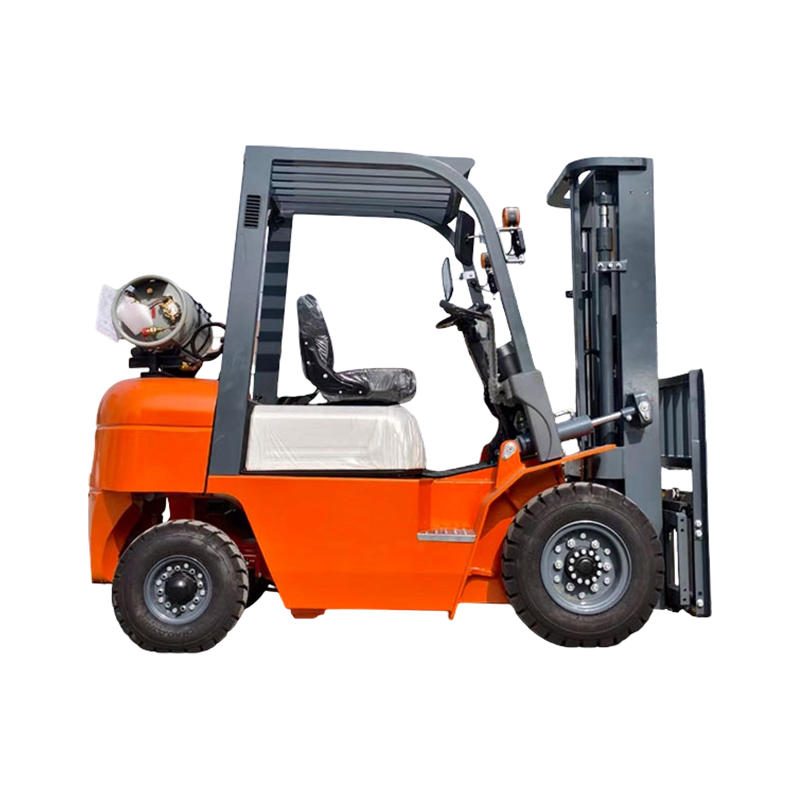
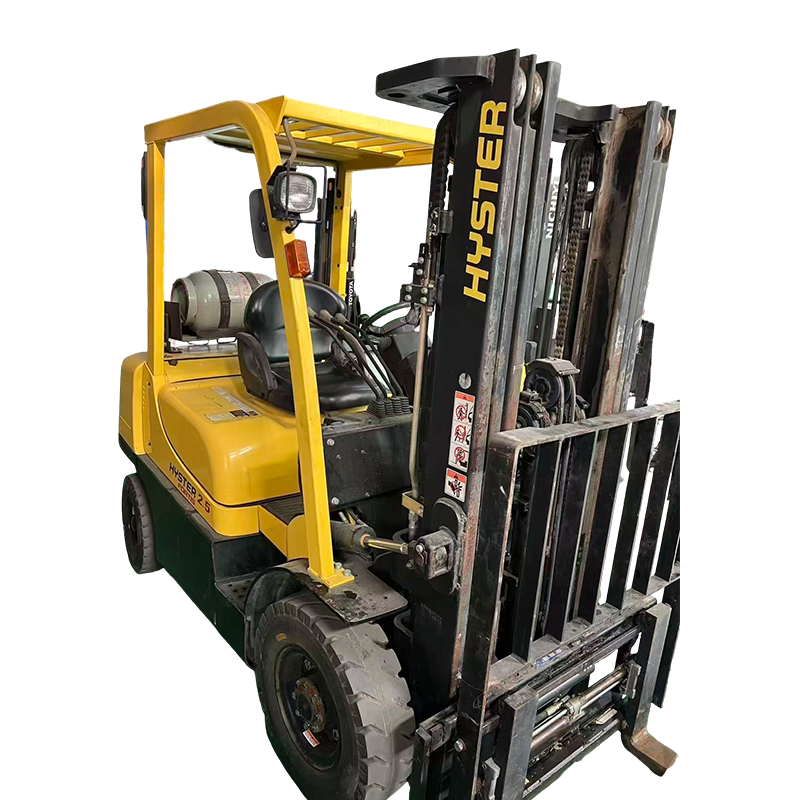
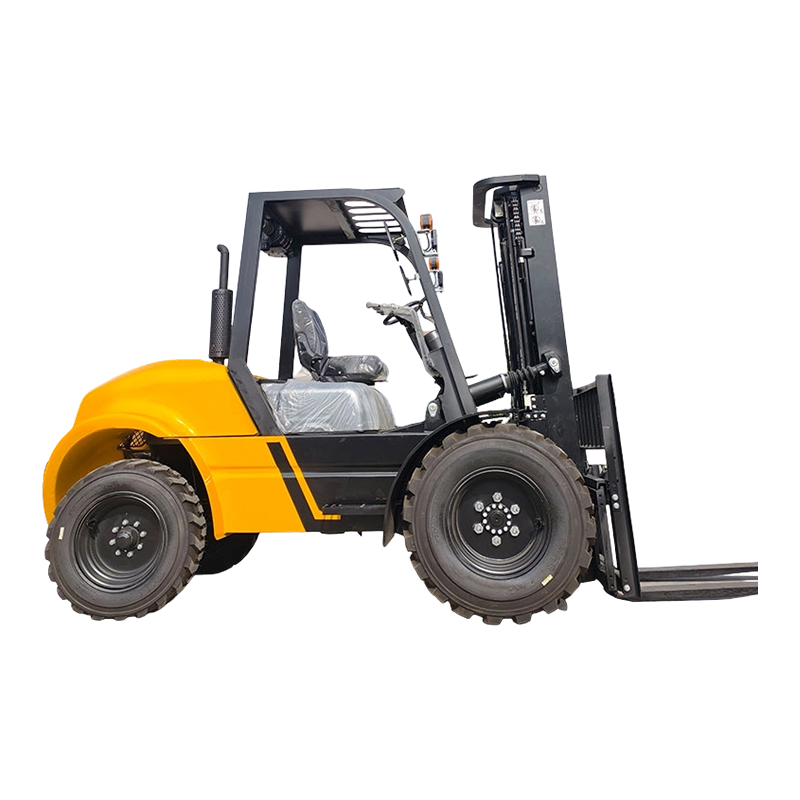
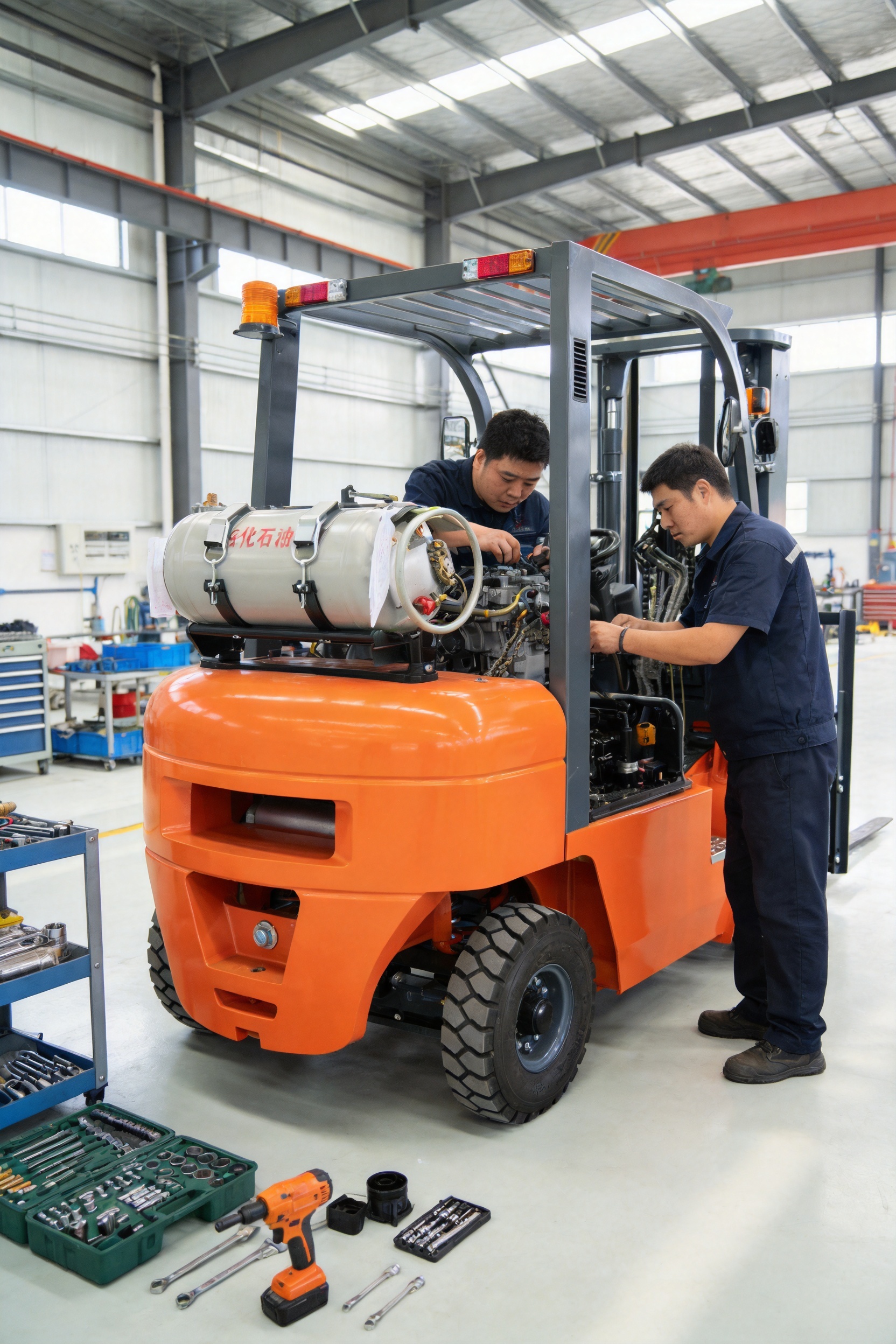
Nissan K25 Engine 2 Ton Gas LPG forklift with Side Shifter
Forklift users often need one machine to perform several jobs during the same day. A truck may unload a delivery vehicle in the morning, move pallets through a production area before noon, stack materials in a warehouse during the afternoon, and transfer finished goods to an outdoor dispatch area later in the shift. This requires more than a strong engine. It requires a balanced combination of lifting capacity, maneuverability, visibility, hydraulic control, tire performance, and service accessibility.
The 2-ton configuration is particularly practical because it occupies a useful position between compact warehouse trucks and heavier industrial forklifts. It can handle a broad range of standard palletized products while remaining manageable in factory aisles, loading zones, and storage yards. The standard 1,200 mm fork length is compatible with many commonly used pallets, while the side shifter helps compensate for small pallet-positioning errors that commonly occur during loading.
Compared with a battery-powered forklift, an LPG truck can be refueled quickly and returned to work without waiting for a long charging cycle. This is valuable for operations with multiple shifts or irregular workloads. Compared with many diesel forklifts, LPG power can provide a smoother working environment in applications where exhaust visibility, noise, and indoor air quality are important considerations. Actual suitability still depends on local ventilation rules, workplace regulations, fuel availability, and the specific operating environment.
The machine is also suited to users who require an internal-combustion forklift for outdoor work but do not want to rely exclusively on diesel equipment. Pneumatic tires provide additional ground clearance and traction on surfaces that may include concrete transitions, rough yard areas, loading ramps, or compacted outdoor ground. This gives the forklift a wider operating range than a small solid-tire warehouse truck.
| Product category | LPG forklift |
| Rated lifting load | 2,000 kg |
| Engine | Nissan K25 LPG engine configuration |
| Fork length | 1,200 mm |
| Fork width reference | 1,220 mm specification reference |
| Mast height | 3,000 mm design reference |
| Hydraulic valve | 3-spool multi-way valve |
| Attachment | Integrated side shifter |
| Tire type | Pneumatic tires |
| Typical uses | Factories, warehouses, cargo yards, loading areas, and general pallet handling |
Configuration details should be confirmed before purchase because mast type, lift height, fork dimensions, tire specifications, safety equipment, fuel-system configuration, and regional compliance requirements may vary according to the order. The product information identifies the truck as an LPG forklift powered by a Nissan K25 engine; some legacy specification templates may use a generic “diesel forklift” label. Buyers should request a final technical sheet matching the exact unit being supplied.
A rated load of 2,000 kg gives this forklift the capacity required for many medium-duty industrial tasks. Common examples include moving boxed goods, paper products, packaged food, metal components, building materials, drums, machinery parts, and palletized finished products. The useful value of this capacity is not simply the maximum number printed on a specification sheet. It is the ability to handle regular loads repeatedly while maintaining predictable steering, braking, and hydraulic response.
Safe lifting depends on the relationship between load weight, load center, lift height, mast configuration, attachment weight, and ground conditions. Operators should always follow the capacity plate and the manufacturer’s operating instructions. A 2,000 kg rating does not mean that every 2,000 kg load can be lifted to every height. Long, high, or unevenly distributed loads may reduce the permitted capacity, particularly when the load center extends beyond the rated reference point.
The counterweight and axle arrangement are important to stable operation. The supplied product information identifies a 2.7-ton counterweight design reference, intended to balance the truck during lifting and transport. A properly balanced counterweight helps maintain rear-wheel contact and supports controlled movement when the forklift is carrying a load. Operators must still reduce speed when turning, keep the load low while traveling, and avoid abrupt steering or braking.
The 1,200 mm forks are suitable for a broad range of standard pallet applications. Fork length should be selected according to pallet depth and load dimensions. Forks that are too short may not provide adequate support, while forks that are too long can create clearance or handling problems. Buyers handling special pallets, reels, long steel products, or non-standard loads should discuss alternative fork dimensions or attachments before final production.
Practical Load-Handling Principle
Good forklift productivity comes from matching the truck to the complete handling cycle. The correct capacity, fork length, mast height, attachment, aisle width, travel distance, floor condition, and shift pattern should be evaluated together rather than selected independently.
The Nissan K25 engine is a familiar power platform in forklift applications and is valued for its practical low-speed torque and service familiarity. In this LPG configuration, the engine supports controlled acceleration and stable operation during lifting, reversing, loading, and yard travel. Forklift work rarely requires high road speed; it requires dependable torque at low and medium engine speeds, especially when the truck is starting with a heavy pallet or climbing a small ramp.
LPG power offers several operating benefits. Refueling can generally be completed faster than recharging a battery, making the configuration useful for high-utilization work schedules. The fuel system also avoids the need for a dedicated battery charging room and can reduce downtime associated with battery exchange. Users should provide appropriate LPG cylinder storage, inspection, ventilation, and handling procedures in accordance with local regulations.
Compared with a diesel unit of similar capacity, an LPG forklift may be preferred for applications that require lower visible exhaust and a smoother operating environment. This can be relevant in facilities with open doors, good ventilation, or mixed indoor and outdoor handling. LPG is not automatically suitable for every enclosed space. The site manager should assess ventilation, emissions requirements, fire protection, fuel storage, and local occupational safety rules before operation.
Fuel economy depends on load weight, idle time, travel distance, operator habits, tire pressure, floor quality, maintenance condition, and the number of lifting cycles. A well-trained operator who avoids unnecessary acceleration and excessive idling can reduce fuel use and mechanical wear. Regular inspection of the fuel system, air intake, cooling system, engine oil, belts, and ignition-related components is also essential.
Compared with Battery Forklifts
Fast refueling, no long charging interval, and suitability for mixed indoor-outdoor work. LPG trucks may be more practical where the machine operates across several shifts or where charging infrastructure is limited.
Compared with Diesel Forklifts
The LPG configuration can offer lower visible exhaust and a smoother working environment in suitable, well-ventilated applications while retaining internal-combustion flexibility.
Compared with Smaller Warehouse Trucks
Pneumatic tires, greater ground clearance, a 2,000 kg load rating, and an internal-combustion power system support broader yard and loading-area use.
These comparisons are application-based rather than absolute claims. A battery forklift may be the better choice in a clean, enclosed facility with charging infrastructure, while a diesel forklift may be more suitable for heavy outdoor work. The strength of this LPG model is its balanced position: it combines internal-combustion range, medium-duty capacity, practical lift height, and precise pallet positioning in one general-purpose machine.
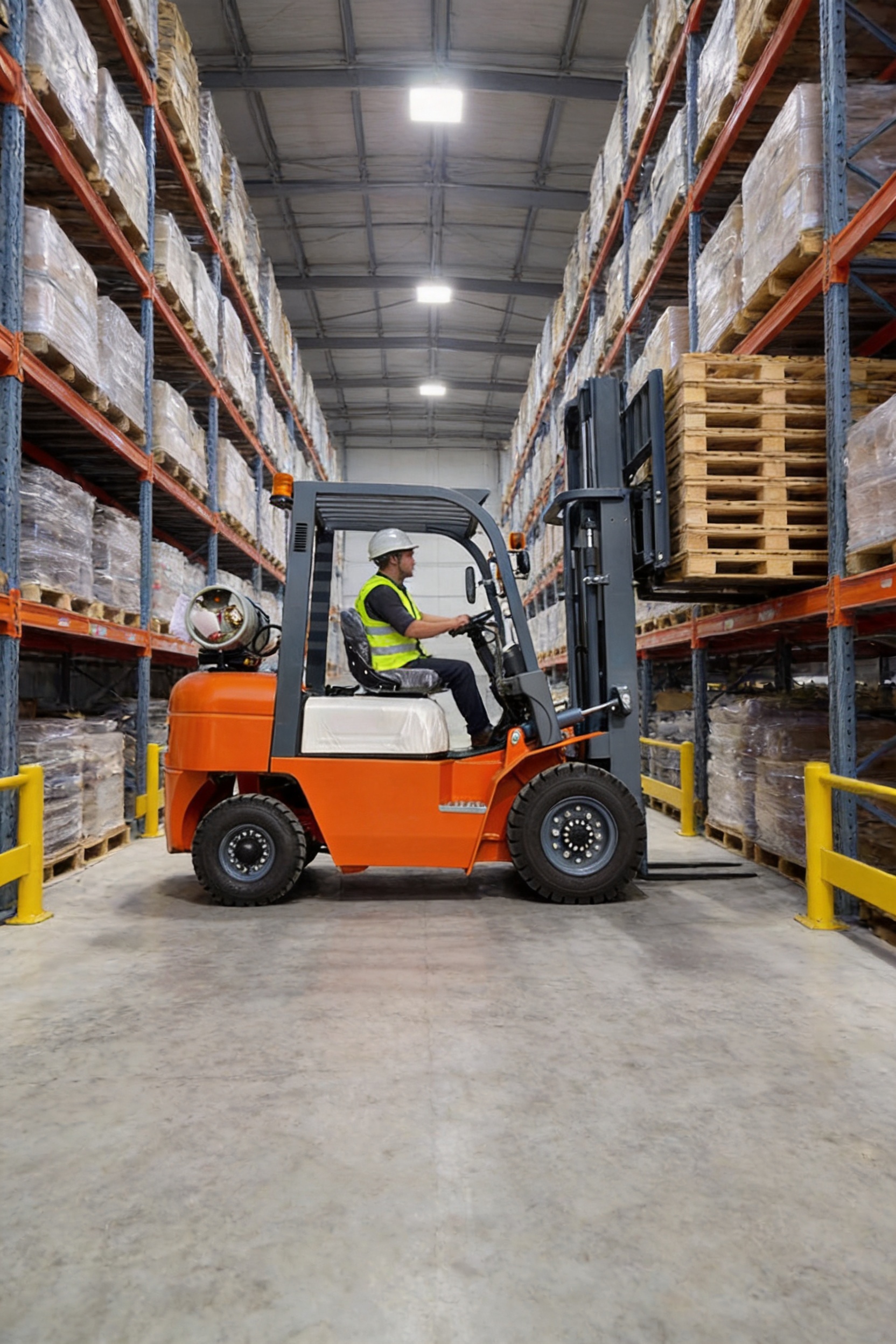
The built-in side shifter is one of the most useful features of this forklift. Without a side shifter, the operator must often reverse, steer, and reposition the complete truck when the forks are slightly misaligned with the pallet openings. These repeated movements consume time and increase the possibility of contact with racks, pallets, products, and neighboring equipment.
A side shifter allows the fork carriage to move left or right within its working range. The operator can make a final alignment adjustment after approaching the pallet, helping the forks enter evenly and supporting better load balance. This is particularly helpful when pallets are placed close to racking, when visibility is restricted, or when loading vehicles where precise positioning is important.
The attachment can improve cycle efficiency in several ways. It reduces unnecessary reversing, shortens the time required to center a load, and lowers the chance of damaging pallet edges. It may also help operators maintain a safer distance from fixed structures because the truck does not need to be moved laterally as often. These benefits become more visible in operations with hundreds of pallet movements each day.
Side shifting should not be used to compensate for poor approach technique or an unstable load. The forks should still be set at a suitable width, inserted as far as practical, and kept level during entry. The load must remain within the truck’s capacity limits, including any reduction caused by the attachment and the increased load center. Attachment inspection should include hoses, fittings, mounting points, cylinders, and carriage movement.
The forklift uses a 3-spool multi-way valve to control the main hydraulic functions. In practical terms, the system supports lifting, mast tilting, and side-shifter operation through separate hydraulic control paths. The operator can raise or lower the forks, tilt the mast forward or backward, and adjust the carriage position with coordinated control.
Smooth hydraulic movement is important for both productivity and product protection. Sudden lifting or lowering can disturb fragile goods, while abrupt tilting can cause a pallet to shift. A properly matched hydraulic system provides controlled response, allowing the operator to make small adjustments near racks, truck beds, and storage locations.
The hydraulic circuit is described as including a gear pump, lifting cylinder, tilt cylinder, and multi-way valve. These components work together to convert engine power into controlled lifting and attachment movement. Hydraulic oil cleanliness, correct oil level, hose condition, and seal integrity all affect performance. Preventive inspections can identify small leaks or slow movement before they develop into larger failures.
| Lift function | Raises and lowers the forks for pallet pickup, rack placement, and vehicle loading. |
| Tilt function | Adjusts the mast angle to support load stability during pickup and travel. |
| Side-shift function | Moves the fork carriage laterally for more accurate pallet positioning. |
| Gear pump | Provides hydraulic flow for practical lifting and attachment operation. |
| Hydraulic cylinders | Convert hydraulic pressure into lifting, tilting, and positioning movement. |
For buyers comparing different forklifts, the number of hydraulic functions is only one part of the evaluation. The quality of the complete circuit, hose routing, component matching, control feel, service access, and long-term sealing performance are equally important. A three-spool system is useful when the truck must combine lifting, tilting, and side shifting without relying on improvised or externally mounted controls.
The 3,000 mm mast design reference gives the forklift the reach required for common rack storage and medium-height stacking work. It can support the handling of palletized goods in warehouses, production stores, and distribution areas where floor-level storage alone would not provide enough capacity.
Mast selection should always be matched to the site. Buyers should consider the lowest overhead obstruction, rack beam height, ceiling clearance, door height, container opening, load dimensions, and the required free lift. The nominal mast height is not the only consideration. The mast may extend above the stated lift level, and the truck’s overall height may change depending on whether a standard, duplex, or triplex design is selected.
During high-level work, stability becomes increasingly important. Operators should approach racks slowly, keep the load centered, use the side shifter carefully, and avoid turning with the load raised. The floor must be level and sufficiently strong, and rack systems must be rated for the intended load. The forklift should never be used to push or pull rack components unless a specific approved procedure exists.
For container loading, the exact mast arrangement must be checked carefully. A standard 3,000 mm mast may not be suitable for every container height or door opening. Buyers should provide container dimensions and loading requirements so the supplier can confirm the correct mast configuration, overhead guard, tire type, and attachment arrangement.
Pneumatic tires help the forklift operate across a wider range of surfaces than many compact solid-tire warehouse models. They can absorb a portion of vibration caused by uneven outdoor ground, provide traction on suitable yard surfaces, and offer useful ground clearance when the truck moves between indoor and outdoor areas.
Tire condition has a direct effect on safety, comfort, steering, and fuel use. Incorrect tire pressure can change the handling characteristics of a loaded forklift. Worn tread may reduce traction, while damaged sidewalls can create a serious operating risk. Operators should check tire pressure, cuts, embedded objects, rim condition, and visible deformation as part of the daily inspection routine.
Pneumatic tires are not a substitute for proper site preparation. Deep potholes, loose materials, slippery floors, standing water, and steep ramps can reduce stability and traction. The operating area should be kept clean and adequately illuminated. Speed should be reduced on uneven surfaces, near pedestrians, and at intersections.
Important Operating Reminder
The rated load, mast height, attachment, tire condition, and ground surface all influence safe forklift behavior. Operators must follow the capacity plate, training requirements, workplace rules, and local regulations for the exact machine supplied.
A dependable forklift is the result of a complete manufacturing system rather than one attractive feature. The production process must connect engineering review, component selection, frame fabrication, hydraulic installation, engine integration, assembly accuracy, testing, documentation, and after-sales support. This approach is especially important for export customers who may operate the equipment far from the original factory.
The supplier behind this product has more than 20 years of experience in the material-handling equipment industry and operates standardized warehouse facilities covering more than 20,000 square meters. Its business includes new and used forklifts, spare parts, attachments, export services, rental support, technical consultation, and maintenance assistance. This broader industry experience helps connect the forklift itself with the practical requirements of ownership, service, and fleet management.
Before assembly begins, the intended application should be translated into a technical configuration. Load rating, mast height, fork length, attachment, tire type, engine arrangement, valve configuration, and operating environment must be reviewed together. This prevents a common purchasing problem in which a machine has the correct nominal capacity but an unsuitable mast, attachment, or tire specification for the actual worksite.
For export orders, configuration review may also include local voltage requirements for optional electrical equipment, language requirements for manuals and warning labels, shipping dimensions, fuel-system documentation, spare-parts recommendations, and destination-country compliance documents. Clear confirmation at this stage reduces delays later in the purchasing process.
The chassis and counterweight form the structural foundation of the forklift. Fabricated sections should be cut, positioned, welded, and inspected according to controlled production procedures. Accurate alignment is essential because deviations in the frame, mast mounting points, axle supports, or counterweight position can influence steering, tire wear, mast behavior, and overall stability.
Welding quality affects long-term durability, particularly in areas exposed to repeated loading, vibration, and uneven ground. Surface preparation and protective coating help reduce corrosion during transport and operation. Buyers operating in coastal, humid, or chemically demanding environments should discuss additional paint systems, corrosion protection, and cleaning procedures.
Hydraulic components should be installed with clean pipework, correctly routed hoses, protected connections, and suitable clamping. Hose routing must allow normal mast movement without excessive bending or abrasion. The hydraulic valve, cylinders, gear pump, and fittings should be checked for correct installation before functional testing.
Assembly quality has a direct effect on leakage prevention. A small installation error can cause hose rubbing, loose fittings, uneven cylinder movement, or premature seal wear. Controlled tightening, cleanliness during assembly, and inspection after testing help reduce these risks. The aim is not merely to make the truck operate at the end of the line, but to create a hydraulic system capable of reliable service over repeated work cycles.
The Nissan K25 LPG engine must be integrated with the forklift frame, cooling system, exhaust arrangement, fuel lines, electrical system, transmission, and operator controls. LPG components require careful attention to connections, routing, protection, and leak inspection. The finished system should be tested under operating conditions rather than checked only through static visual inspection.
Engine installation also affects serviceability. Filters, inspection points, belts, fluid reservoirs, and routine maintenance components should remain accessible to technicians. Practical access reduces maintenance time and encourages operators to complete inspections at the recommended intervals.
Pre-delivery testing should include engine starting, idle stability, acceleration response, steering, braking, mast lifting, lowering, tilting, side-shifter movement, parking brake operation, warning equipment, and leak inspection. The forklift should be tested without a load and, where appropriate, under a controlled load that reflects its intended capacity.
Testing should also examine abnormal noise, vibration, hydraulic response, tire condition, mast chain movement, carriage alignment, and attachment clearance. Any adjustment made during testing should be recorded. This creates a more reliable handover process and provides useful information for future service.
01
Application Review
Confirm load, lift height, pallet type, surfaces, fuel requirements, and shift pattern.
02
Component Matching
Match the engine, mast, hydraulic equipment, tires, forks, and attachment to the required work.
03
Controlled Assembly
Complete structural, hydraulic, engine, electrical, and attachment installation through an organized production process.
04
Inspection and Testing
Check operating functions, safety equipment, leaks, steering, braking, lifting, and side shifting before dispatch.
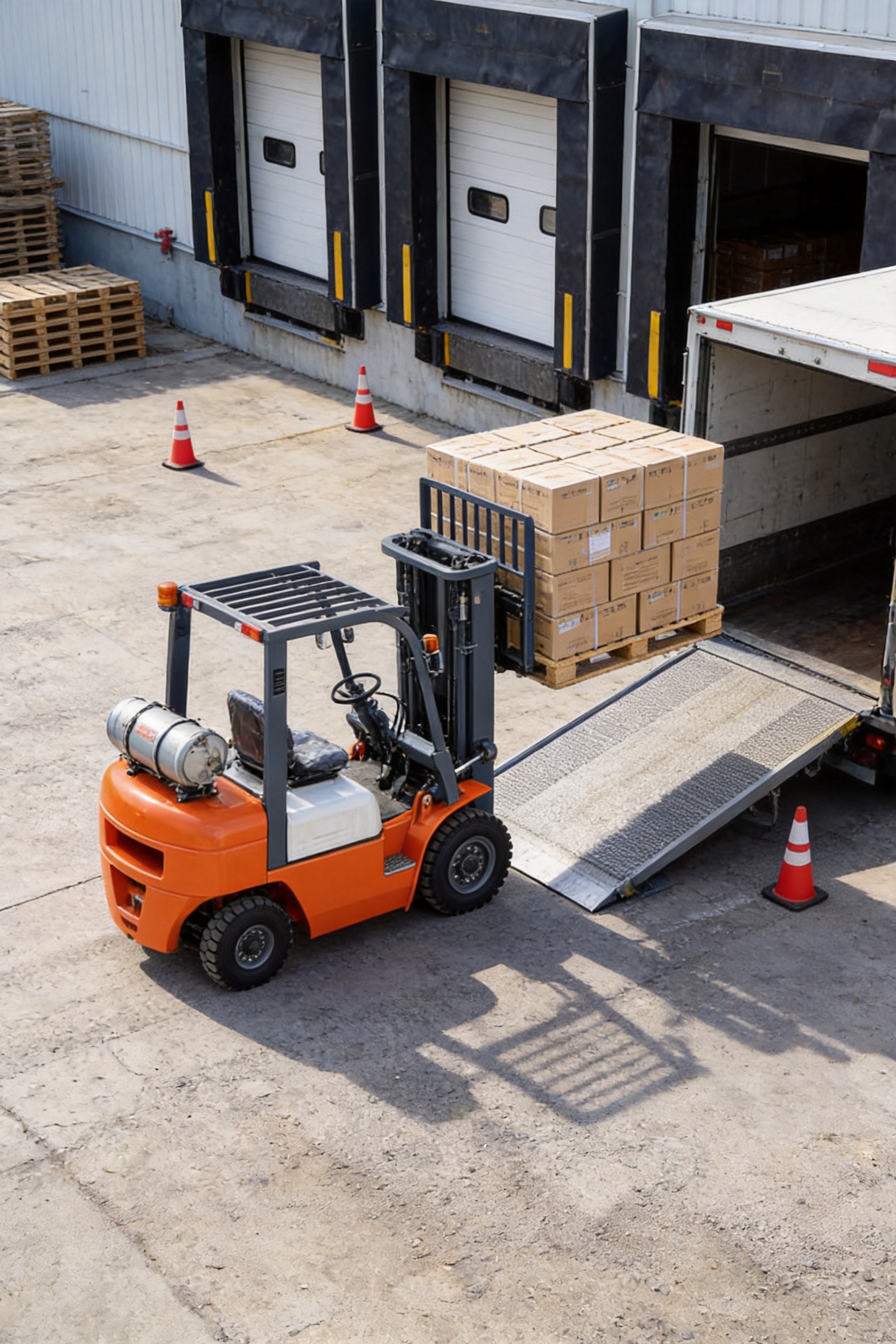
The main advantage of this configuration is integration. A basic forklift may provide lifting capacity but require additional manual positioning, while a separate attachment may complicate installation or reduce service convenience. By including the side shifter as part of the intended configuration, the truck is prepared for more accurate pallet work from the start.
The 3-spool hydraulic valve also gives the operator more direct control of the combined functions. This is useful when a pallet must be lifted, tilted, and aligned in a restricted space. Controlled operation can reduce the number of corrective movements, which helps improve cycle time without requiring higher travel speed.
The pneumatic tires and counterweight broaden the operating range. Many warehouse forklifts are designed primarily for smooth indoor floors, while this model can be specified for mixed indoor and outdoor handling. Its practical 2-ton capacity also avoids the unnecessary fuel consumption and larger turning envelope associated with selecting a much heavier forklift for medium-duty work.
Another competitive advantage is the support structure of the supplier. A company that handles complete forklifts, used equipment, spare parts, attachments, leasing, maintenance, and export services can provide more than a one-time machine transaction. It can help users identify compatible parts, select additional equipment, plan maintenance, and expand a fleet as handling requirements develop.
Manufacturing plants use forklifts to move raw materials, work-in-progress goods, packaging, tools, and finished products. The 2-ton capacity is suitable for many palletized components and production loads. LPG power can support operations where the forklift moves between receiving areas, production halls, and outdoor storage, provided the indoor environment meets ventilation and emissions requirements.
The side shifter is useful when pallets must be placed accurately beside production lines or into compact staging areas. It can also reduce contact with protective barriers, columns, and stored materials when the operator needs a small lateral correction.
In a warehouse, productivity is often determined by the number of complete pallet cycles rather than maximum travel speed. A side shifter can shorten alignment time at rack locations, while the 3,000 mm mast provides access to medium-height storage positions. The 1,200 mm forks suit many standard pallet movements, although users should confirm pallet dimensions before ordering.
Warehouse managers should assess aisle width, turning radius, rack design, floor loading, pedestrian routes, and ventilation. If the forklift will work primarily indoors for long periods, the facility should have appropriate air movement and emissions monitoring. For operations requiring zero tailpipe emissions, an electric model may be more suitable.
Outdoor cargo yards often have changing ground conditions and longer travel distances. Pneumatic tires provide useful flexibility for suitable compacted surfaces, while the internal-combustion power system supports rapid refueling. The operator should reduce speed on uneven ground and keep loads low while traveling.
During truck loading, precise side-shift adjustment can help align pallets with the vehicle floor and neighboring cargo. The operator must check trailer capacity, dock-plate condition, floor strength, overhead clearance, and safe access before entering a vehicle.
Building-material suppliers and general cargo facilities often handle different load shapes throughout the day. A versatile forklift can move bagged materials, cartons, timber packages, tiles, metal products, and machinery components when the load remains within the rated capacity and the correct attachment is used.
Special loads may require extensions, clamps, paper-roll attachments, or wider forks. These changes affect the load center and capacity. Any optional attachment should be approved for the truck and clearly reflected on the capacity documentation.
Preventive maintenance protects availability and helps control the total cost of ownership. A daily inspection should cover engine oil level, coolant, LPG connections, tires, forks, mast chains, hydraulic hoses, carriage movement, brakes, steering, lights, horn, warning devices, and visible leaks. Any defect that could affect safe operation should be reported immediately.
Scheduled maintenance intervals should be based on engine hours and operating conditions. Dusty yards, long shifts, high temperatures, frequent lifting, and rough ground can require more frequent inspections than light indoor work. Service records should identify the date, engine hours, work completed, parts replaced, and any condition requiring follow-up.
The hydraulic system deserves particular attention because contaminated oil or damaged hoses can affect lifting speed and attachment response. The engine and LPG system should be serviced by trained personnel using suitable procedures. Tires should be maintained at the recommended pressure, and wheel fasteners should be checked according to the service schedule.
| Inspection frequency | Recommended focus |
| Before each shift | Leaks, tires, forks, mast, chains, controls, brakes, steering, horn, lights, and LPG connections. |
| Regular service interval | Engine fluids, filters, belts, hydraulic oil, fittings, battery, cooling system, and attachment components. |
| Periodic safety inspection | Load-handling structure, counterweight, axles, steering components, overhead guard, warning labels, and capacity plate. |
| As required by condition | Repair damaged hoses, worn forks, defective tires, abnormal brakes, mast-chain wear, or fuel-system faults before continued use. |
Good maintenance is also influenced by parts availability. The supplier’s product portfolio includes forklift spare parts and attachments, which can help users obtain compatible service components for ongoing operation. Buyers should request a recommended spare-parts list with the machine, including filters, belts, seals, hoses, ignition-related components, and commonly replaced wear items.
Every forklift operator should receive appropriate training for the specific equipment and workplace. Training should cover load capacity, load center, steering behavior, mast operation, side-shifter use, pedestrian awareness, dock safety, ramp travel, parking, refueling, and emergency procedures.
LPG cylinders and fuel connections should be handled only by authorized personnel. Cylinders must be stored, transported, inspected, and connected according to local requirements. The fuel system should be checked for damage or leakage before operation. Smoking, open flames, and unauthorized maintenance should be prohibited in fuel-handling areas.
When traveling, the load should be kept as low as practical while maintaining ground clearance. The mast should be tilted appropriately for load stability, and the operator should maintain clear visibility. If the load blocks forward vision, the operator should travel in the appropriate direction according to site procedures rather than leaning or lifting the load unnecessarily.
Side shifting should be completed at a controlled speed. The operator should ensure that the attachment and load have sufficient clearance from racks, vehicles, people, and other equipment. The side shifter is an alignment tool, not a replacement for correct approach distance or load placement.
Before requesting a quotation, buyers should prepare a practical application brief. Useful information includes the maximum load weight, average load weight, load dimensions, pallet size, lift height, indoor or outdoor percentage, floor condition, working hours per day, number of shifts, preferred fuel, local climate, and available service resources.
It is also helpful to provide photographs or drawings of the worksite. A clear view of aisle width, rack height, container doors, loading ramps, and ground surfaces allows the supplier to recommend a more suitable configuration. If the forklift will work inside buildings, the buyer should describe ventilation conditions and any local emissions restrictions.
Technical confirmation should include the exact engine configuration, mast type, rated capacity at the intended load center, fork dimensions, side-shift range, tire type, overhead guard height, overall dimensions, shipping weight, hydraulic functions, safety equipment, and documentation language. These details reduce the possibility of receiving a machine that is technically capable but inconvenient for the intended site.
For fleet purchases, buyers should consider standardization. Using the same engine family, tire type, hydraulic arrangement, and common wear parts across several units can simplify operator training and service inventory. A supplier with access to new and used equipment, parts, attachments, rental solutions, and maintenance services may also support gradual fleet expansion more efficiently.
Shanghai HanDavos International Trading Co., Ltd. is based in Kunshan, Jiangsu Province, China, and has more than two decades of experience in the material-handling equipment field. The company supports new and used forklift sales, forklift parts, attachments, exports, and leasing services. Its warehouse resources are intended to support product availability, consolidated procurement, and faster preparation for overseas customers.
The company’s product range includes equipment associated with brands such as BYD, Toyota, HELI, HANGCHA, JAC, and LINDE, as well as related parts and accessories. This multi-brand experience can be useful when a customer operates a mixed fleet and needs guidance on equipment selection or replacement components.
Support services include product selection, technical consultation, operating guidance, spare-parts assistance, maintenance coordination, and after-sales communication. For an international customer, these services are important because the purchase process continues after shipment. The supplier should help clarify commissioning procedures, inspection points, recommended consumables, operator documentation, and methods for identifying replacement parts.
Customers can contact the company for configuration confirmation, quotation requests, shipping discussions, spare-parts inquiries, or technical questions. The listed contact details are Shanghai HanDavos International Trading Co., Ltd., No. 398 Hengchangjing Road, Zhoushi Town, Kunshan City, Jiangsu Province, China; email: forklift-05@aliyun.com; telephone: +86 150 6265 1609.
The rated lifting load is 2,000 kg. The actual permitted capacity at a particular lift height depends on the load center, mast configuration, attachment weight, and the capacity plate supplied with the exact machine.
The product is described as using a Nissan K25 LPG engine configuration. Buyers should confirm whether the final order requires LPG-only or a dual-fuel arrangement and should request the final engine and fuel-system specification before production.
It may be suitable for indoor operation in facilities with adequate ventilation and appropriate emissions controls. Site managers must check local regulations and workplace requirements. For enclosed areas requiring zero tailpipe emissions, an electric forklift may be a better choice.
The side shifter moves the fork carriage laterally so the operator can align the forks with a pallet without repositioning the entire forklift. This can improve loading efficiency and reduce unnecessary reversing, but it must be used within the attachment’s rated limits.
The listed fork length is 1,200 mm. Pallet dimensions and load geometry should be checked before purchase. Alternative fork lengths or attachments may be available for special applications.
Its pneumatic tires and internal-combustion power system make it suitable for many outdoor cargo-yard and loading-area applications. The surface should be sufficiently firm and safe, and the operator should reduce speed on uneven ground, slopes, ramps, and wet surfaces.
The product information identifies a 3,000 mm mast design reference. Buyers should confirm the exact mast type, free-lift requirement, collapsed height, maximum lift height, and overhead clearance for their facility.
The three-spool hydraulic valve provides separate control functions for lifting, tilting, and side shifting. This enables more coordinated handling and accurate pallet placement when working near racks, vehicles, and storage locations.
Confirm the load weight and center, pallet size, fork length, mast height, indoor and outdoor working conditions, tire type, fuel arrangement, attachment requirements, shipping dimensions, local compliance requirements, and available maintenance support.
The company supplies forklift spare parts and attachments in addition to complete equipment. Buyers should request a recommended parts list and confirm availability for the engine, hydraulic system, mast, axles, tires, brakes, and side-shifter components.
A structured evaluation helps users compare this forklift with other models on practical criteria rather than price alone. The following checklist can be used by warehouse managers, factory engineers, fleet owners, and purchasing teams:
Capacity: Does the 2,000 kg rating cover the heaviest regular load at the required load center?
Mast: Does the 3,000 mm design reference meet rack, truck, and container requirements?
Fuel: Is LPG available, safely stored, and permitted at the operating site?
Attachment: Will the integrated side shifter improve pallet alignment and reduce handling time?
Surface: Are pneumatic tires appropriate for the combination of indoor floors and outdoor yards?
Hydraulics: Are lifting, tilting, and side-shifting functions needed during the same work cycle?
Service: Can trained personnel access parts, manuals, maintenance guidance, and technical support?
Safety: Are operators trained and are the facility’s traffic, ventilation, and fuel procedures prepared?
Expansion: Can future units use compatible parts, attachments, and operating procedures?
When these questions are answered together, the buyer can determine whether the forklift is a suitable long-term work tool rather than simply a machine with the correct nominal capacity. A properly configured truck can reduce handling delays, protect products, improve operator control, and support more consistent daily output.
The 2-ton LPG forklift with Nissan K25 engine and integrated side shifter is designed around the practical needs of medium-duty material handling. Its 2,000 kg rated capacity supports common pallet work, while the 1,200 mm forks provide a useful starting configuration for standard loads. The LPG power system offers quick refueling and internal-combustion flexibility, and pneumatic tires extend the truck’s usefulness across suitable indoor and outdoor surfaces.
The integrated side shifter is a significant productivity feature because it allows accurate pallet alignment with fewer complete-vehicle movements. The 3-spool hydraulic valve supports coordinated lifting, tilting, and lateral positioning, while the 3,000 mm mast provides access to medium-height storage and loading applications. A balanced counterweight and heavy-duty axle arrangement further support controlled full-load travel when the forklift is operated within its rated limits.
Its value is strengthened by the supplier’s broader capabilities in forklift sales, used equipment, attachments, spare parts, exports, leasing, technical consultation, and after-sales service. For users seeking a general-purpose forklift that can handle factory, warehouse, cargo-yard, and loading work, this configuration offers a practical combination of capacity, reach, fuel flexibility, attachment functionality, and service support.
Final specifications should always be confirmed against the exact purchase order, capacity plate, local regulations, and worksite conditions. With correct configuration, trained operators, planned maintenance, and responsible LPG management, this forklift can become a dependable part of a modern material-handling fleet.
1. Product specification and configuration information supplied for the 2-ton LPG forklift with Nissan K25 engine and side shifter.
2. Manufacturer and supplier information concerning forklift sales, parts, attachments, leasing, export services, and technical support.
3. General principles of industrial forklift capacity, load center, mast operation, attachment use, and workplace safety.
4. General maintenance practices for internal-combustion forklifts, hydraulic systems, pneumatic tires, and LPG fuel equipment.
5. General warehouse and factory material-handling guidance for palletized goods, rack storage, loading areas, and mixed-surface operation.
Recommended Products
Recommended NEWS



 English
 中文简体
 русский
 Español
 عربى