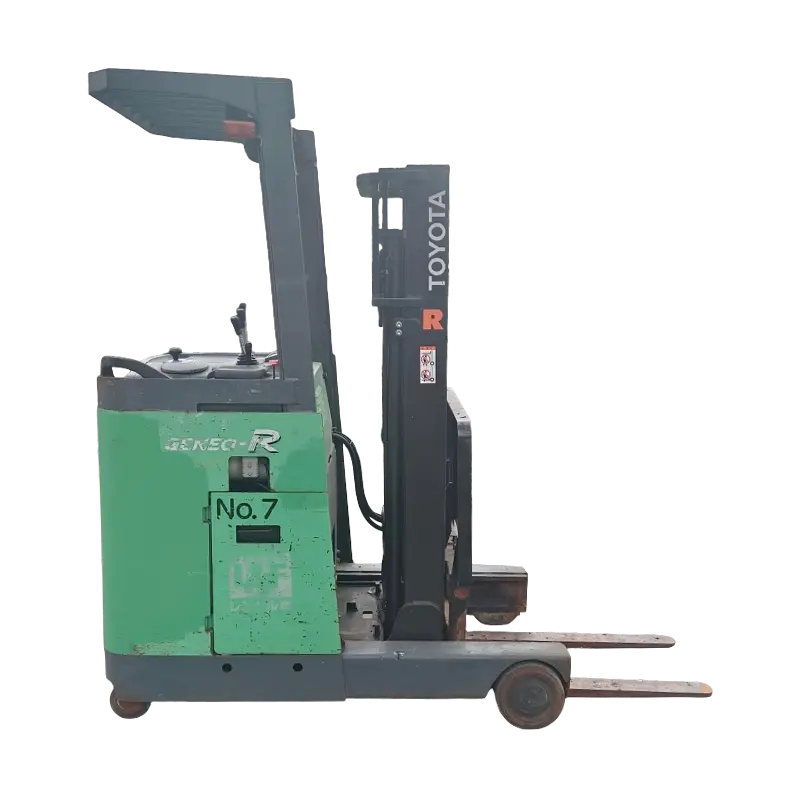
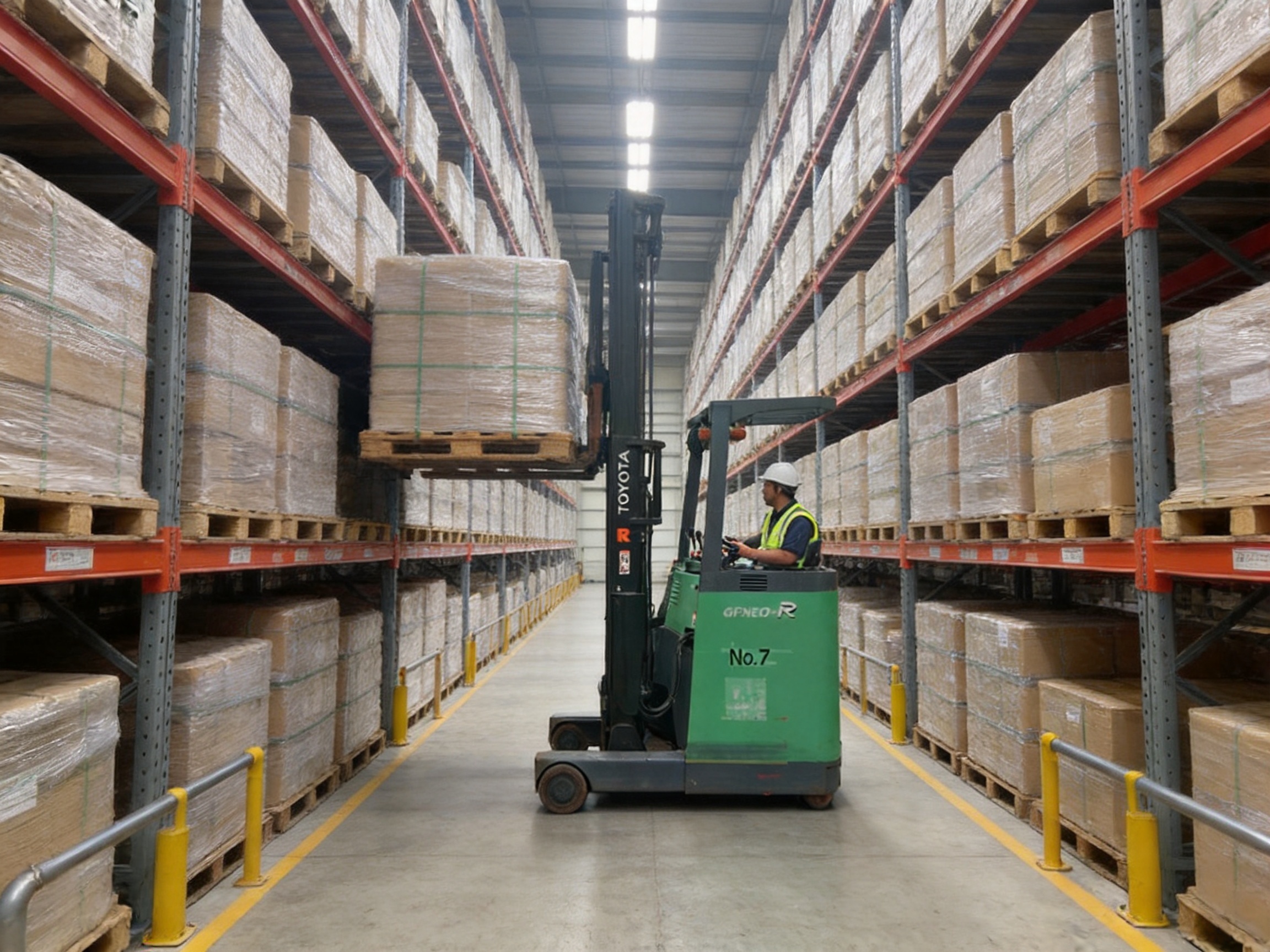
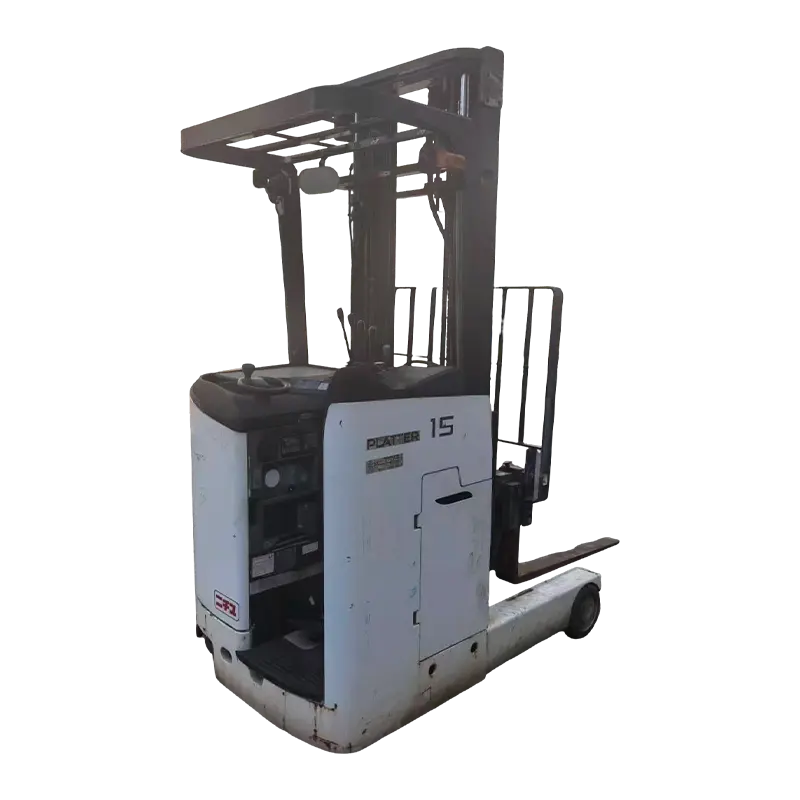
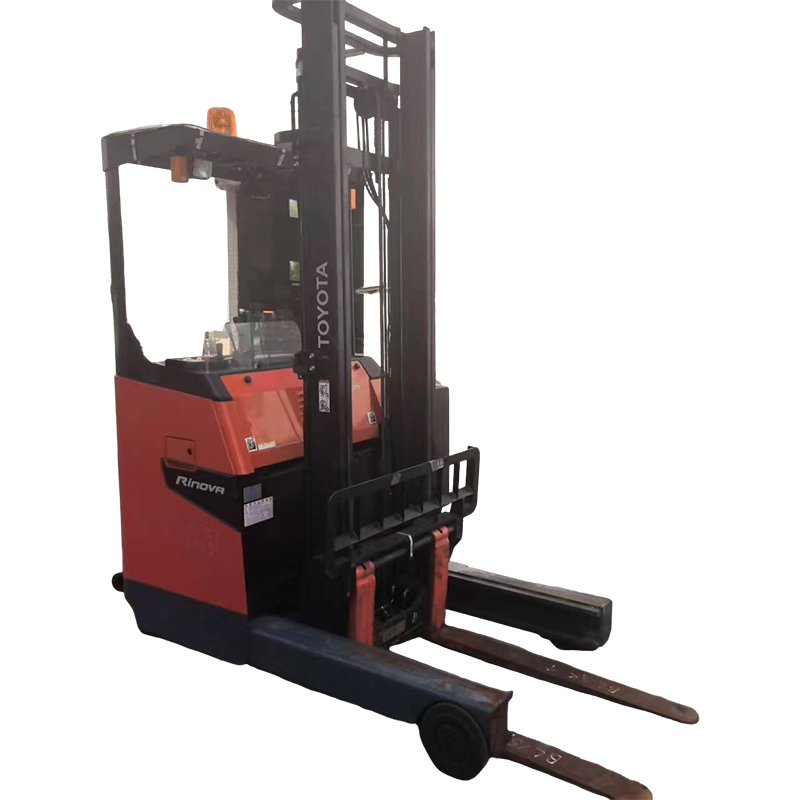
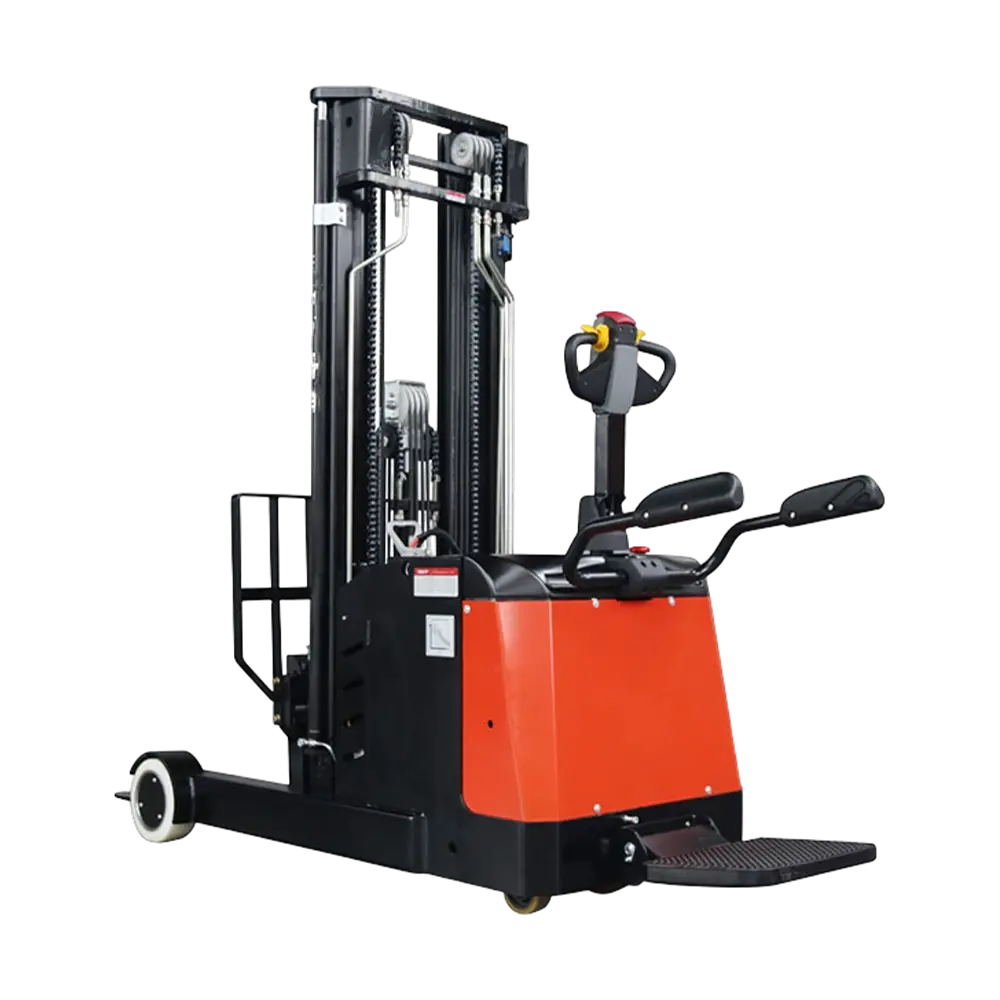
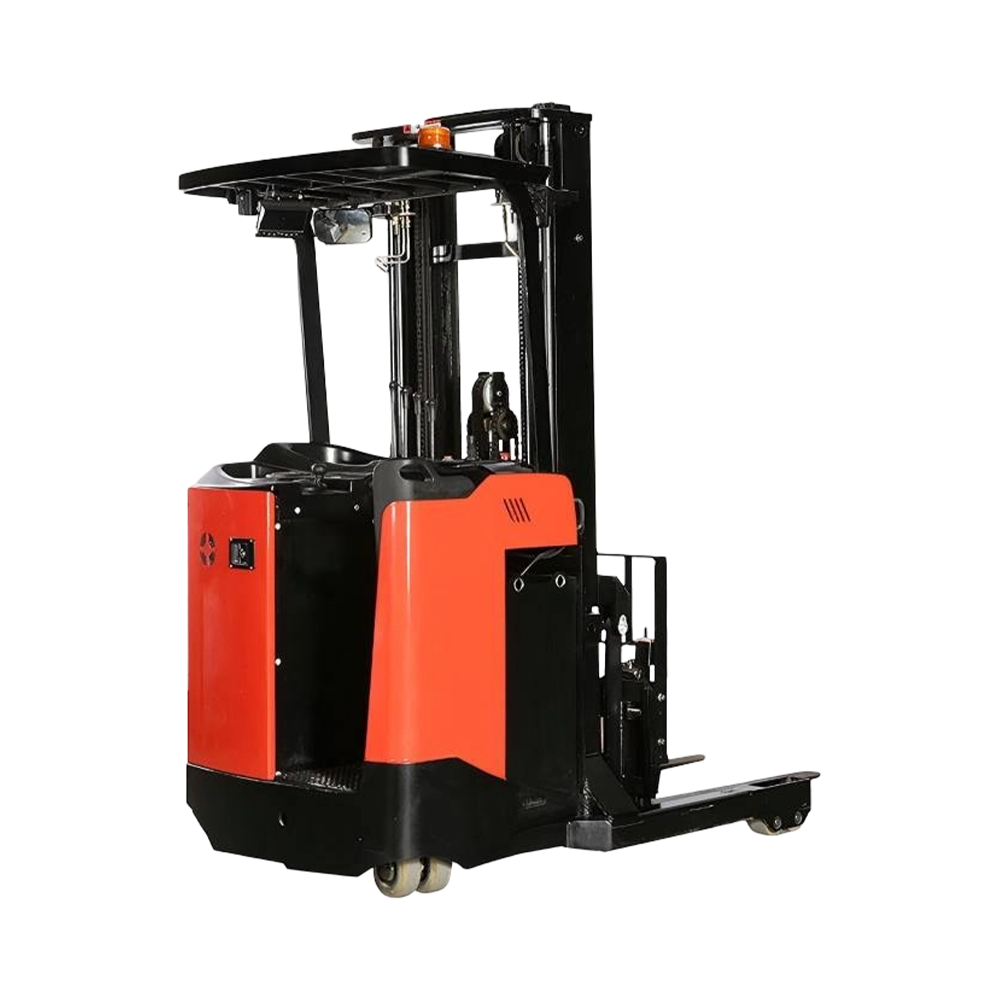
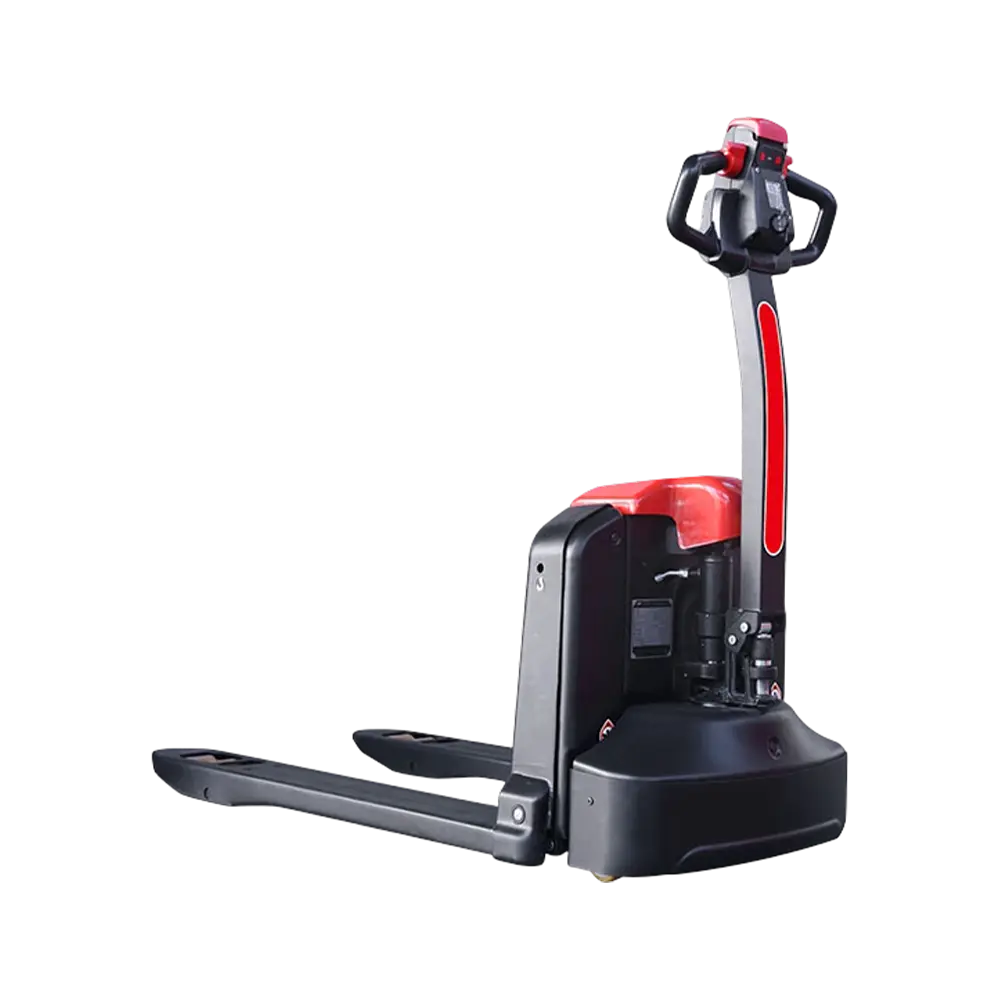
The value of a used industrial machine does not depend only on its age. It also depends on the quality of the original engineering, the durability of its major components, and the technical discipline applied during inspection and preparation. Equipment designed for industrial warehouse work typically benefits from more robust frames, stronger mast assemblies, serviceable drive systems, and replacement parts that remain available through established supply channels.
The original Japanese manufacturing background of the 7FBR15 is relevant because Japanese warehouse equipment has traditionally emphasized compact engineering, precise control, efficient use of space, and long operating life. Those design priorities are especially useful for reach-truck applications, where the machine must combine a small working envelope with stable pallet handling.
For an international supplier, advanced manufacturing strength also includes the ability to source, identify, test, and match components correctly. A reliable process should distinguish between traction components, hydraulic components, steering elements, electrical control parts, mast wear parts, and consumable items. Correct identification reduces the risk of installing an incompatible part that may create premature wear or unstable performance.
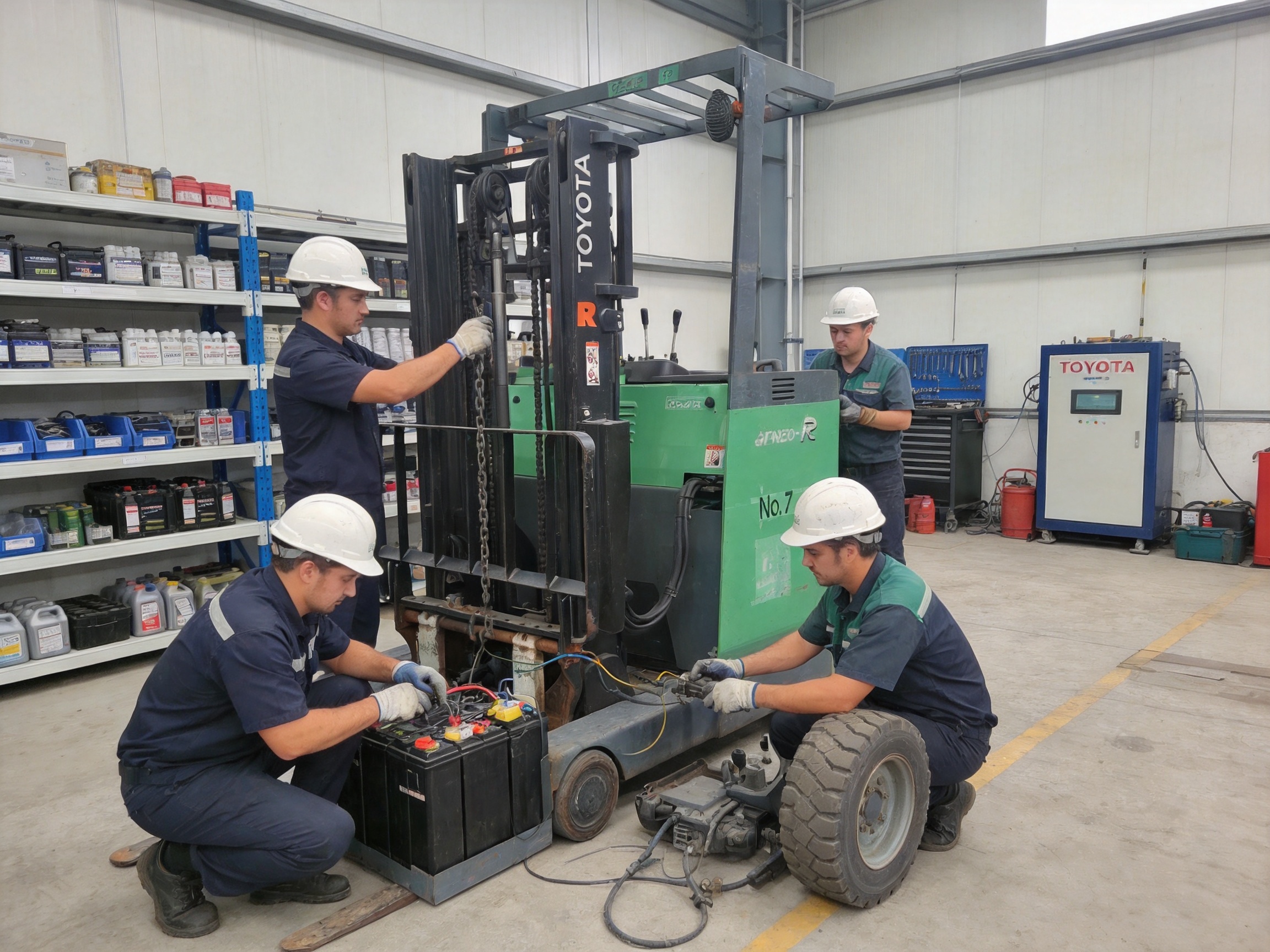
Professional preparation should include clean assembly work, controlled inspection areas, appropriate diagnostic tools, and documented testing. A machine may receive exterior cleaning and repainting, but appearance should never replace mechanical verification. The most important results are smooth travel, controlled lifting, predictable braking, responsive steering, correct load information, and safe operation under the customer’s intended working conditions.
The supplier’s broader technical capability is also important. A company that handles new and used forklifts, spare parts, attachments, exports, and leasing services can offer a more complete equipment solution. It can help compare the reach truck with counterbalance forklifts, stackers, pallet trucks, and specialized attachments instead of recommending a single machine without considering the warehouse process.
Every forklift design has a suitable application. The 7FBR15 should not be considered a universal replacement for all equipment. Its strongest advantages appear when the customer needs indoor electric operation, elevated pallet placement, compact movement, and moderate-to-heavy warehouse loads.
Compared with a new machine, a properly inspected used reach truck can make sense for a facility that needs immediate capacity, wants to control capital expenditure, or is expanding in stages. The decision should include purchase price, battery condition, spare parts, service access, expected hours, operator training, and the cost of downtime. A low initial price is not sufficient if the machine is poorly documented or unsuitable for the application.
Compared with a standard electric counterbalance forklift, the reach truck is generally more specialized. It is not intended primarily for rough outdoor yards or heavy trailer loading. Its advantage is precision in the warehouse: reaching into racks, working within narrower lanes, and using vertical space efficiently.
The machine’s operating profile supports a broad range of indoor material-handling tasks. The following examples illustrate how the equipment can fit specific workflows.
In each application, the machine should be matched to the actual pallet dimensions, shift pattern, floor quality, aisle layout, and lifting frequency. A technical consultation before shipment can identify whether the standard configuration is suitable or whether accessories, replacement tires, battery service, or additional inspection are needed.
Buying used equipment requires a structured inspection process. Photographs are useful for preliminary review, but they cannot replace functional testing and documentation. Buyers should request clear information about operating hours where available, previous use, battery age, mast condition, tire wear, maintenance history, and any replaced components.
Inspect the frame for cracks, deformation, corrosion, and signs of impact. Examine the overhead guard and operator compartment for damage. Check that the mast moves smoothly without abnormal vibration, binding, or excessive side movement. Inspect lift chains, rollers, pins, forks, and hydraulic cylinders. Fork heels and tips should be measured when wear is a concern.
Look for oil leaks around cylinders, hoses, valves, and fittings. Confirm that the truck holds a lifted load without uncontrolled lowering. Test the lift, lower, reach, and tilt functions through their normal range. Inspect wiring, connectors, battery cables, control panels, warning devices, and emergency controls.
Test forward and reverse travel at controlled speed. Listen for unusual noise from the traction motor, gearbox, wheels, and steering system. Confirm that the steering responds smoothly and that the brakes hold the truck securely on the intended floor surface. Check acceleration response and whether the machine stops evenly without pulling to one side.
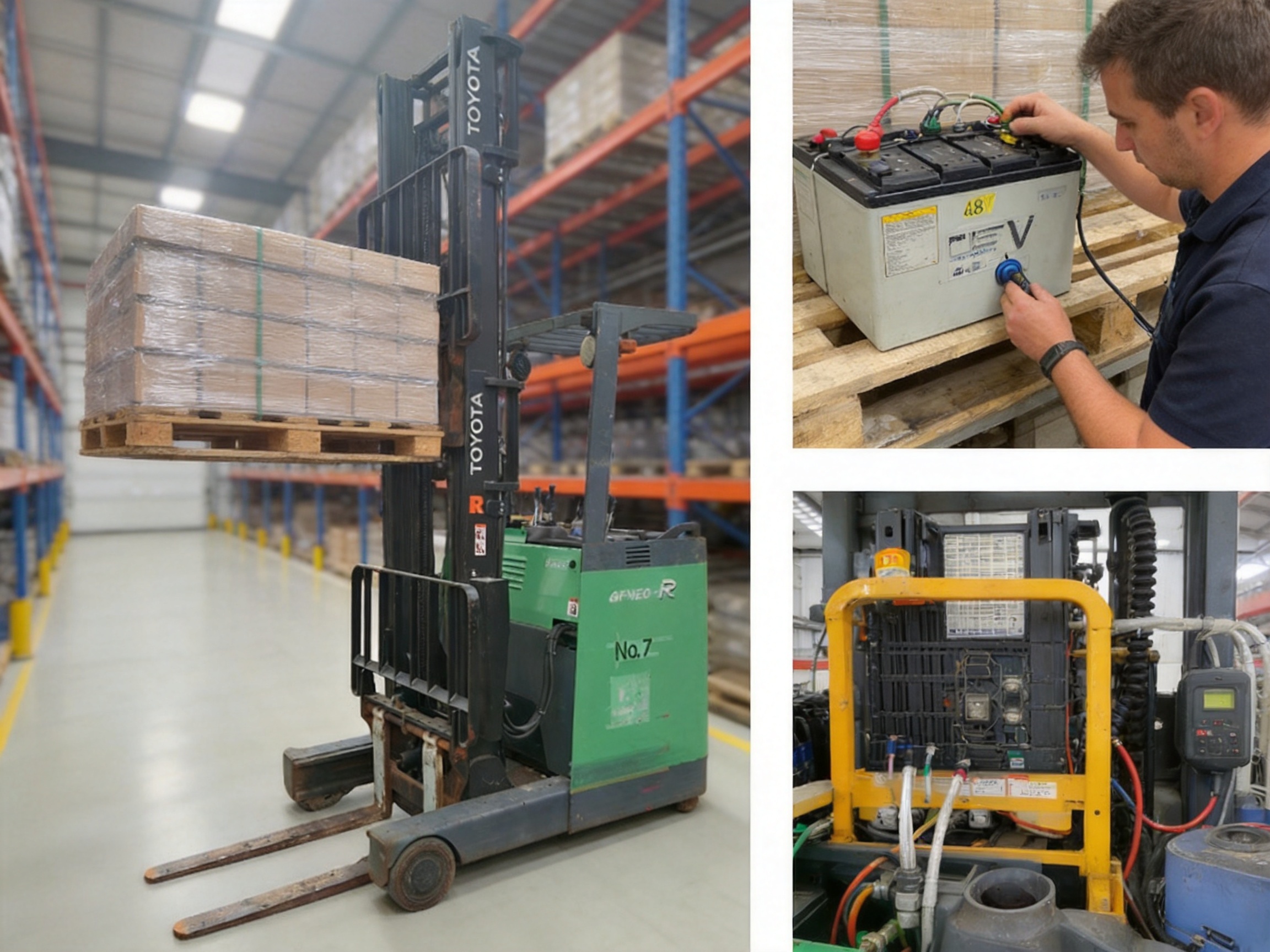
Record the battery type, rated voltage, visible condition, connector style, and charger compatibility. A battery may still power the truck while having significantly reduced capacity. Where possible, test the battery under realistic load and observe whether voltage falls quickly during lifting or travel.
Compare the serial number, capacity plate, mast information, and shipment documents. The final operating configuration should be consistent with the load chart. If an attachment has been added, its weight and load center must be included in the capacity assessment.
Maintenance Program for Long-Term Reliability
Preventive maintenance is one of the most effective ways to preserve the value of a used reach truck. Maintenance intervals should follow the manufacturer’s recommendations and be adjusted for working intensity, dust, temperature, floor quality, and operator behavior. A truck working two shifts in a busy distribution center requires a more frequent inspection rhythm than a machine used occasionally in a small warehouse.
Daily checks should include tire condition, fork condition, hydraulic leaks, battery status, warning devices, steering, brakes, horn, lift response, and visible structural damage. The forks should be lowered fully when parked, and the truck should be left in a designated safe area with the key or access control managed according to site policy.
Periodic service should include inspection of mast rollers, chains, lubrication points, hydraulic oil, electrical connections, traction components, drive wheels, load wheels, steering components, and safety switches. Wear parts should be replaced before they create secondary damage. For example, delayed replacement of a worn roller can increase mast wear, while neglected battery connectors can cause heat and electrical resistance.
Maintenance records should identify the date, operating hours, technician, work performed, parts used, and any follow-up recommendation. Clear records help managers plan downtime, monitor recurring problems, and make informed decisions about battery replacement or major refurbishment.
Every shift
Visual safety check, battery check, tires, forks, controls, brakes, steering, and warning devices.
Weekly
Clean key areas, check connectors and chains, inspect hydraulic hoses, and review operator reports.
Monthly
Review mast movement, tire wear, battery performance, structural condition, and service records.
Scheduled service
Perform professional inspection, lubrication, fluid checks, electrical testing, and load-related verification.
Operator Training and Workplace Safety
Even a well-maintained reach truck can become unsafe if operators do not understand its controls, capacity limitations, or operating environment. Every operator should receive training appropriate to the local regulations and the machine’s specific configuration. Training should cover pre-use inspection, battery charging, pallet engagement, load-center principles, rack approach, travel with a raised or retracted load, pedestrian awareness, emergency procedures, and parking.
Operators should travel with the load in the manufacturer-recommended position and should avoid sudden acceleration, sharp turns, and excessive speed. Loads should not be lifted when the pallet is unstable or when the forks are not fully engaged. The mast should be operated smoothly, especially near the top of the lifting range or when the load center is extended.
Warehouse managers should separate pedestrian routes from forklift lanes wherever possible. Clear floor markings, mirrors at blind corners, adequate lighting, rack protection, speed controls, and visible warning signs can reduce risk. The reach truck should not be used to transport people, push unsuitable objects, or lift loads beyond its verified capacity.
Rack inspections are equally important. Damaged uprights, beams, decking, or pallet supports can create a hazard regardless of forklift quality. The machine and the storage system should therefore be managed as one complete material-handling environment.
How Professional Supply Support Adds Value
An international equipment supplier contributes more than the physical truck. Product selection, export preparation, spare-parts matching, technical consultation, operation guidance, maintenance support, and after-sales communication all affect the customer’s total experience.
Shanghai HanDavos International Trading Co., Ltd. operates in the material-handling equipment sector and provides new and used forklifts, spare parts, attachments, exports, and leasing services. Its operations are based in Kunshan, Jiangsu Province, with more than 20,000 square meters of standardized warehouse space and inventory covering equipment from several established manufacturers.
The company’s product range includes electric forklifts, internal-combustion forklifts, reach trucks, pallet trucks, stackers, used equipment, accessories, and forklift parts. This broad inventory can be useful when a customer needs to build a mixed fleet or source replacement components for equipment already in operation.
Technical support can begin before purchase by reviewing load requirements, aisle measurements, rack heights, shift patterns, battery needs, floor conditions, and delivery expectations. After purchase, support may include operating guidance, parts recommendations, maintenance coordination, and troubleshooting assistance. This service structure helps buyers make decisions based on the complete operating requirement rather than the machine’s purchase price alone.
For export customers, preparation also includes checking identification details, arranging suitable packaging or securing methods, preparing shipping documents, and communicating technical information clearly. A well-organized export process reduces misunderstandings and helps the receiving team plan unloading, charging, commissioning, and operator training.
Cost and Productivity Considerations
The financial value of a used reach truck should be measured over its expected service period. A suitable machine can reduce the cost of adding storage capacity, improve pallet movement, and avoid the need for immediate construction expansion. However, the evaluation should include battery life, tires, service parts, transport, operator training, charging infrastructure, and possible refurbishment work.
Productivity can be improved in several ways. The first is reducing unnecessary travel distance through better slotting and warehouse layout. The second is minimizing waiting time by coordinating charging, maintenance, and shift changes. The third is ensuring that operators use the correct approach angle and rack sequence. The fourth is preventing avoidable damage through training and clear traffic controls.
A simple productivity review can compare the number of pallets moved per hour, average travel distance, average lift cycles, waiting time, and unplanned downtime before and after the reach truck is introduced. Although results vary by facility, the compact design and high-rack capability can create significant benefits when the truck is used in a suitable environment.
Recommended Purchasing Process
A clear purchasing process helps reduce technical and commercial uncertainty. Begin by describing the work rather than requesting a model only. Provide pallet dimensions, load weights, rack height, aisle width, floor type, working hours, temperature range, and delivery destination.
Next, request the machine’s identification details, photographs of the mast, forks, tires, battery, operator area, and frame, along with available test information. Ask whether the stated capacity applies to the exact mast and configuration being supplied. If a capacity figure appears inconsistent, request clarification before ordering.
After technical suitability is confirmed, discuss refurbishment scope, included parts, battery condition, charger configuration, warranty or service terms, delivery method, and commissioning requirements. Buyers should also confirm whether attachments or optional load-center configurations change the capacity rating.
Before final acceptance, the receiving team should inspect the machine for transport damage, compare the serial number with the documents, test the main functions, and record any issue promptly. The truck should not enter production until the local safety review and operator training are complete.
Frequently Asked Questions
What is the rated capacity of the 7FBR15 reach truck?
The detailed product information states a rated capacity of 1,500 kg at a 500 mm load center and 1,310 kg at a 600 mm load center. The final operating capacity must be confirmed from the machine’s capacity plate and load chart.
Can this reach truck work in narrow aisles?
Yes, its compact reach-truck design and 970 mm front wheelbase are intended to support maneuverability in warehouse aisles. The actual minimum aisle width must be calculated from the truck configuration, pallet dimensions, rack layout, and turning requirements.
What is the maximum lifting height?
The listed maximum lifting height is 3,000 mm. Buyers should also confirm free lift, collapsed mast height, overhead clearance, and the capacity available at the required lifting height.
Is the truck suitable for indoor use?
Yes. Its electric drive system, 48 V battery, and solid tires are suitable for many indoor warehouse applications. The floor should be flat and appropriate for solid-tire equipment, and the battery should be maintained according to its specific technology.
Do solid tires require inflation?
No. Solid tires do not require air inflation. They still require regular inspection for wear, cuts, missing rubber, uneven contact, and damage caused by rough surfaces or overloading.
Can it operate in cold storage?
It may be suitable for cold storage logistics when the battery, electrical system, tires, floor, condensation controls, and work-rest procedures are appropriate for the temperature. The operating environment should be reviewed before delivery.
What should be checked before buying a used unit?
Inspect the frame, mast, forks, chains, hydraulic system, battery, charger, tires, steering, brakes, controls, safety devices, capacity plate, and maintenance records. Functional testing is essential.
Does a used forklift require operator training?
Yes. Used equipment must be operated only by trained and authorized personnel. Training should cover the specific truck, load capacity, rack system, battery charging, traffic rules, and emergency procedures.
How can the correct battery condition be evaluated?
Battery condition can be evaluated through visual inspection, charging behavior, voltage checks, load testing, operating-time observation, and review of battery age and service history. A battery that starts the truck may still have reduced working capacity.
Can spare parts be supplied with the reach truck?
Spare parts and forklift accessories can be discussed according to the model, serial number, component specification, and customer’s maintenance plan. Correct identification is important because similar-looking parts may not be interchangeable.
Is the machine suitable for outdoor operation?
The reach truck is primarily intended for indoor warehouse work on suitable flat flooring. Occasional outdoor movement may be possible on smooth private surfaces, but rough yards, rain, ramps, and uneven ground may require a different forklift design.
What makes this machine different from a new reach truck?
The main difference is that it is a used machine, so condition, service history, battery performance, and refurbishment scope must be evaluated. Its potential advantages include a lower acquisition cost and access to a proven compact reach-truck configuration.
Final Selection Guidance
The 7FBR15 used electric reach truck is best suited to customers that need compact indoor pallet handling, reliable access to rack positions up to 3,000 mm, and a 1.5-ton capacity class at the standard 500 mm load center. Its 48 V battery, solid tires, short front wheelbase, high-strength frame, and Japanese manufacturing background create a practical foundation for warehouse operations.
Its strongest competitive advantage is the combination of vertical storage capability and compact maneuverability. Compared with a conventional counterbalance forklift, it can make better use of narrow warehouse lanes. Compared with a walkie stacker, it provides a riding operator position and stronger travel productivity. Compared with a new premium reach truck, a properly inspected used unit can reduce the initial investment while delivering the core functions required for many established warehouse processes.
The correct decision depends on verification. Confirm the capacity plate, test the battery, inspect the mast, measure the warehouse, review the rack system, and match the tires and power system to the floor and temperature conditions. With professional preparation, responsible operation, and regular maintenance, this type of reach truck can continue to support efficient storage and pallet movement for years.
References
1. Manufacturer and supplier product specifications for the 7FBR15 used electric reach truck, including capacity, load center, mast height, wheelbase, battery, and tire information.
2. Industrial forklift operator training principles covering load centers, rated capacity, pallet stability, travel position, braking, steering, and pedestrian safety.
3. Warehouse planning practices for rack layout, aisle width, vertical storage utilization, pallet flow, traffic separation, and equipment selection.
4. Electric industrial truck maintenance practices covering battery charging, electrical connections, traction systems, hydraulic systems, tires, mast assemblies, and preventive inspection.
5. General occupational safety guidance for powered industrial trucks, storage racks, loading areas, operator authorization, and workplace risk control.
6. Technical service information supplied by Shanghai HanDavos International Trading Co., Ltd. for forklift sales, used equipment preparation, spare parts, accessories, exports, leasing, and after-sales support.



 English
 中文简体
 русский
 Español
 عربى