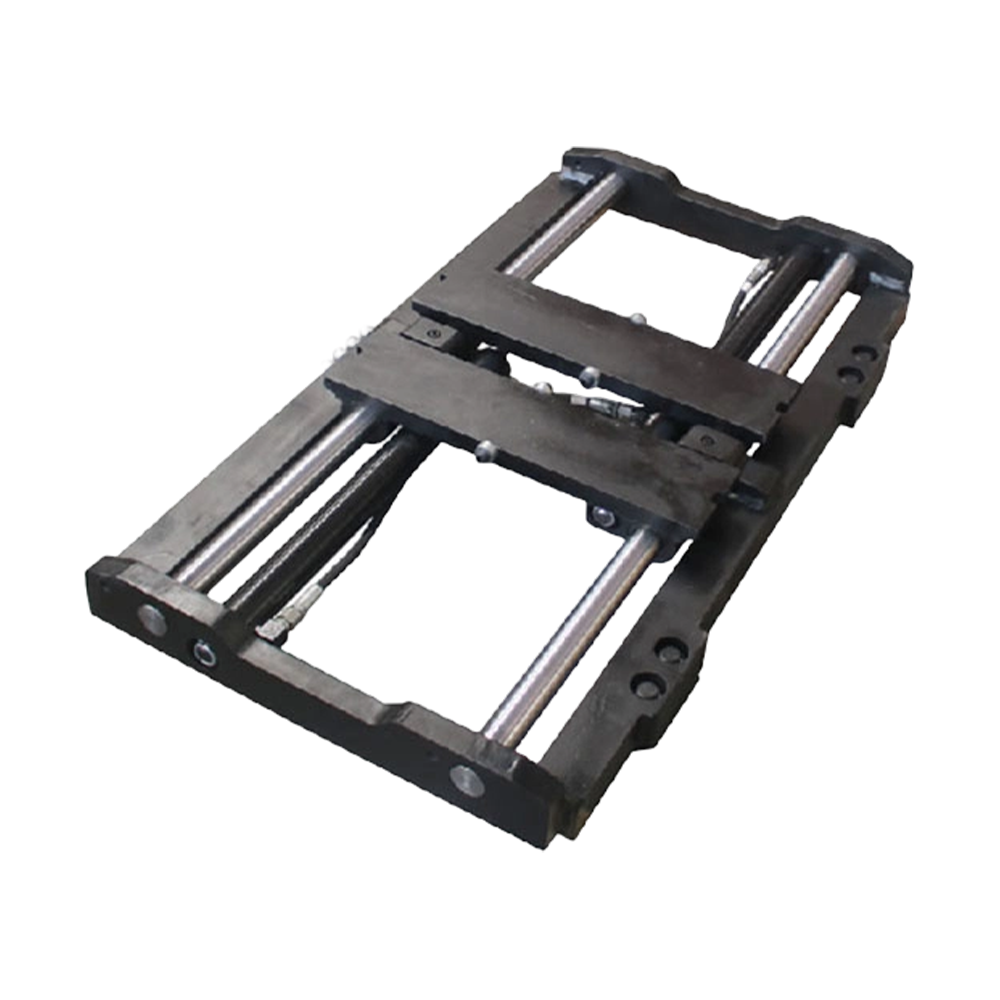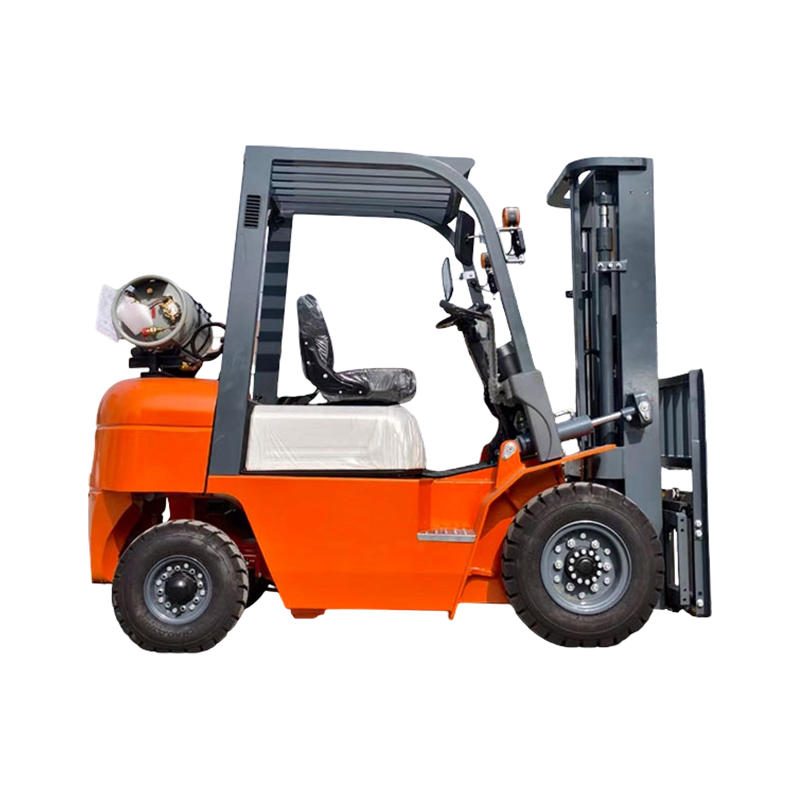
2026-10-16
Content
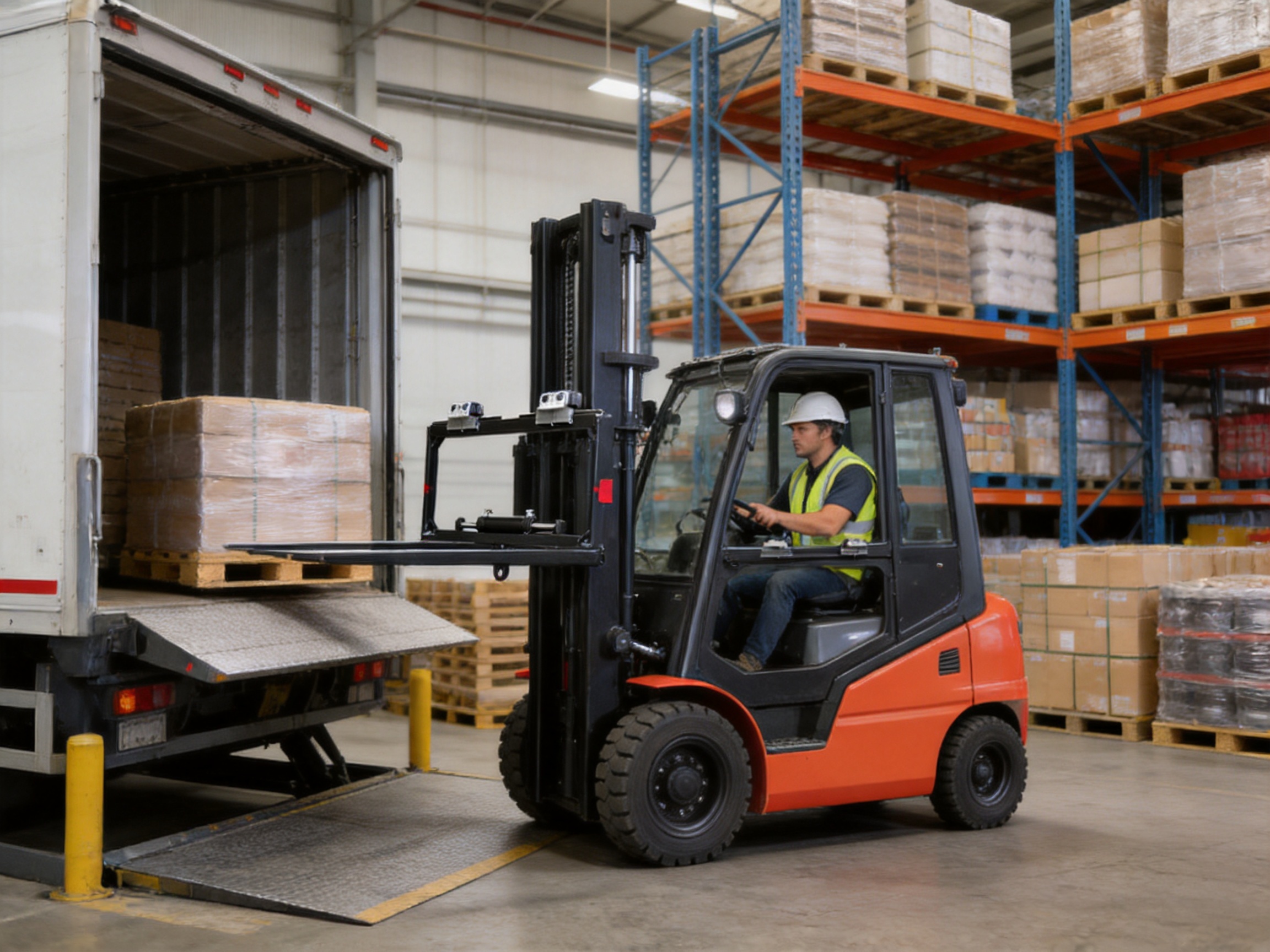
A forklift side shifter is a practical attachment designed to move the fork carriage horizontally from left to right without requiring the operator to reposition the entire truck. In modern warehouses, distribution centers, production plants, cold stores, ports, and building-material yards, this seemingly simple movement can make a measurable difference to daily handling performance. It helps operators align forks with pallets, correct small positioning errors, work within restricted aisle spaces, and reduce unnecessary travel.
The Forklift Accessories Forklift Side Shifter supplied by Shanghai HanDavos International Trading Co., Ltd. is developed for users who need dependable positioning, robust construction, responsive hydraulic control, and broad compatibility with standard forklift models. Its design combines a reinforced steel structure, hydraulic movement, wear-resistant sliding components, and a service-oriented manufacturing approach. The result is an attachment that supports faster pallet handling while helping fleets control maintenance costs and reduce avoidable cargo damage.
The side shifter moves forks horizontally, improves pallet alignment, supports safer loading, and reduces the need to reposition the complete forklift. It is suitable for warehouse, manufacturing, logistics, retail distribution, and general material-handling applications.
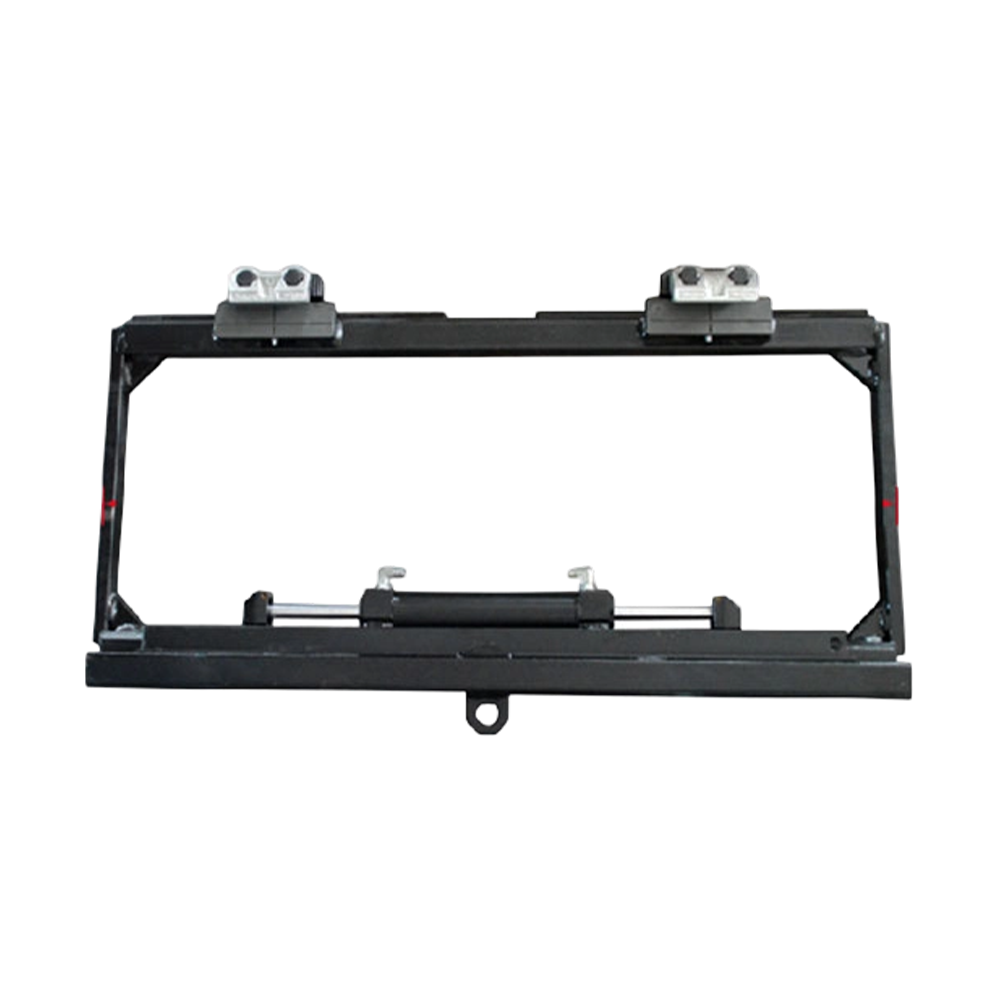
Forklift Accessories Forklift Side Shifter
Forklift work often takes place in environments where every centimeter matters. Pallets may be placed close to rack uprights, truck walls, safety barriers, or neighboring loads. Even when an operator approaches correctly, the forks may not be perfectly centered under the pallet openings. Without a side shifter, the operator must lower the forks, reverse, steer the forklift into a new position, and approach the load again. This repeated movement consumes time and can increase the possibility of striking a rack, damaging packaging, or disturbing adjacent goods.
A side shifter changes this operating sequence. Once the forklift is positioned in front of the pallet, the operator can move the forks horizontally through the hydraulic control system. The attachment allows the load to be aligned with the truck, rack, or storage location while the forklift remains in a suitable position. This is particularly valuable in narrow aisles, busy loading bays, transfer stations, and trailer interiors where there is little room for repeated steering corrections.
The benefit is not limited to speed. Accurate fork alignment helps distribute the load more evenly and reduces the chance that one fork will enter too far while the other remains partially engaged. Correct engagement supports better load stability and reduces stress on pallets, cartons, drums, and other packaged goods. For operators handling different pallet sizes during the same shift, the attachment also provides useful flexibility without requiring a specialized forklift for every application.
Horizontal fork adjustment reduces repeated steering and reversing movements during pallet pickup and placement.
Operators can center the forks beneath a pallet and make fine corrections before lifting.
Accurate placement supports efficient use of rack locations, trailers, staging lanes, and warehouse floors.
Fewer unnecessary truck movements can help lower contact risk around racks, goods, people, and infrastructure.
The Forklift Accessories Forklift Side Shifter is designed as a working attachment rather than a decorative add-on. Its main components must withstand repeated loading cycles, vibration, impact, hydraulic pressure, and changing working conditions. For this reason, the design emphasizes structural rigidity, controlled movement, sliding durability, and compatibility with the forklift carriage.
The attachment enables smooth left-right movement of the forks, allowing the operator to make controlled adjustments instead of relying on repeated repositioning of the complete forklift. The movement range depends on the selected configuration, carriage dimensions, and installation arrangement. Before ordering, users should confirm the forklift capacity, carriage class, mounting dimensions, hydraulic requirements, fork dimensions, and intended load center.
A properly matched side shifter should not be considered separately from the forklift. The combined system must maintain suitable visibility, residual capacity, stability, and attachment security. The attachment adds weight and may change the load center, so the forklift data plate and manufacturer guidance should always be consulted. HanDavos supports product selection by helping customers compare the attachment with their equipment and operating conditions.
The primary advantage of the attachment is its ability to adjust fork position horizontally. This function is valuable when a pallet is not perfectly aligned with the forklift or when the storage position is offset from the approach path. A small hydraulic correction can often achieve the required alignment more efficiently than a complete steering maneuver.
Precision is especially useful when handling fragile or high-value goods. If the forks are not centered, the load may lean, the pallet may be damaged, or packaging may be pressed against a rack. The side shifter gives the operator an additional adjustment method before the lift begins. It does not replace careful driving, load assessment, or safe operating procedures, but it provides better control within the normal handling process.
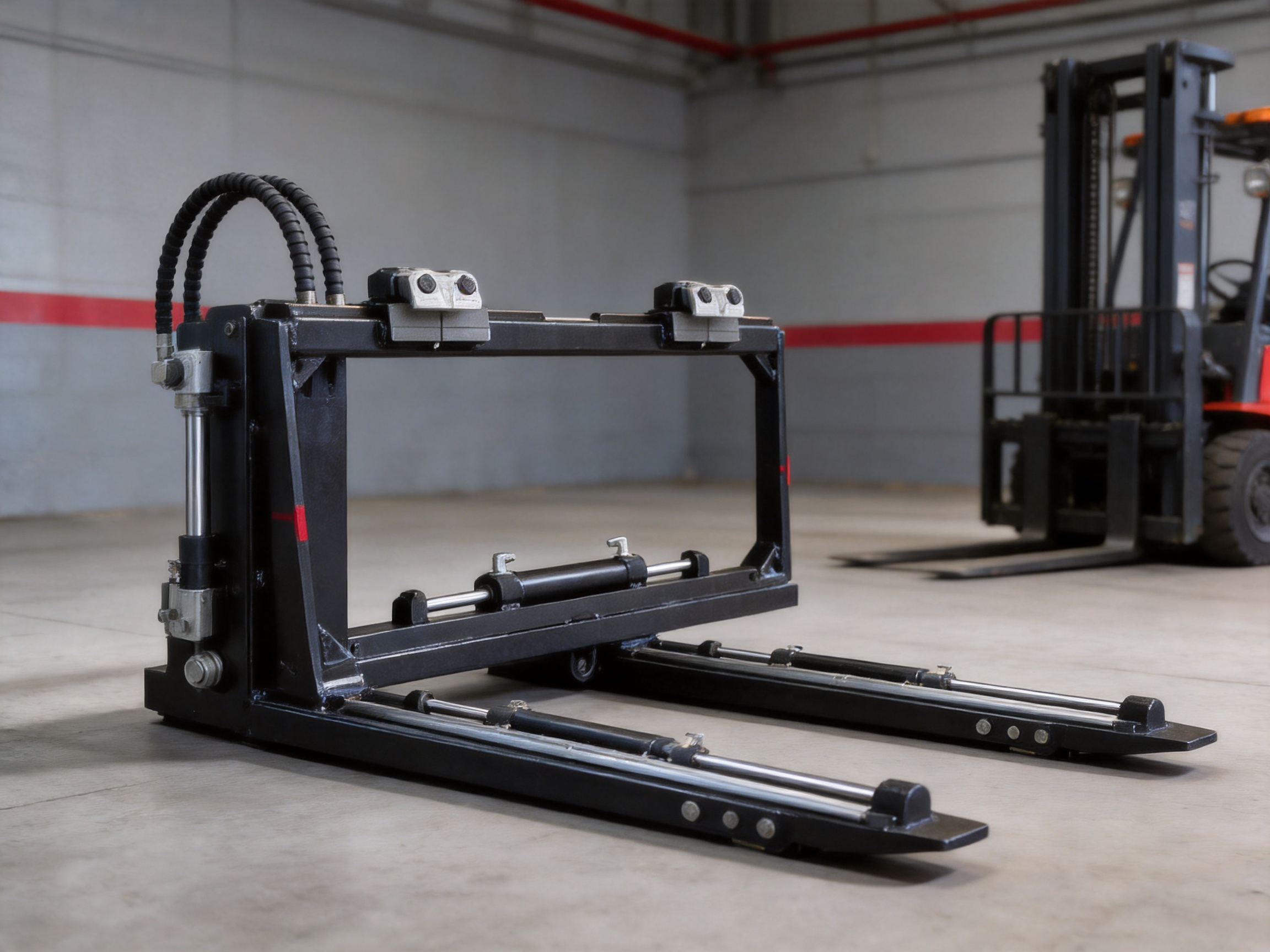
The side shifter is manufactured from high-strength alloy steel with reinforced welding in areas exposed to working loads. The objective is to create a rigid attachment that can maintain its geometry during repeated operation. A stable frame helps the hydraulic movement remain predictable and supports consistent fork alignment over an extended service period.
Material selection is important because attachments work under dynamic loads rather than static loads alone. During operation, the attachment may experience acceleration, braking, uneven floors, pallet impacts, and off-center loading. Reinforced welded construction helps the structure resist deformation, while appropriate finishing and inspection processes support long-term reliability.
Compared with lightweight attachments that may be designed primarily for occasional use, a heavy-duty side shifter is more suitable for demanding warehouse and industrial schedules. Its strength can be beneficial for users who operate multiple shifts or handle dense loads throughout the day. The correct rated capacity must always be selected for the application; structural strength does not permit operation beyond the forklift or attachment rating.
A high-quality hydraulic cylinder provides the force required to move the attachment. Smooth hydraulic response allows the operator to make gradual corrections rather than abrupt movements. Controlled movement is useful when the load is close to a rack, another pallet, a trailer wall, or a production fixture.
Stable hydraulic control also contributes to operator confidence. Movement should be responsive without excessive shaking, hesitation, or uncontrolled drift. Properly selected seals, connections, hoses, and cylinder components help reduce the risk of leakage during normal use. Hydraulic systems still require regular inspection, and operators should stop using an attachment if they identify damaged hoses, loose connections, unusual noise, or fluid leakage.
With the appropriate hydraulic connection and forklift control arrangement, the operator can adjust the fork position without leaving the seat or repositioning the full truck. This can shorten each handling cycle. A single adjustment may save only a few seconds, but repeated hundreds of times per shift, those savings can become meaningful.
Efficient positioning can also reduce indirect costs. Fewer correction movements may lower tire wear, fuel or battery consumption, aisle congestion, and the likelihood of accidental contact. More accurate engagement may help reduce damaged pallets and products. These benefits depend on the operating environment, shift pattern, load type, operator skill, and maintenance quality, but the side shifter provides a practical foundation for improvement.
The attachment is intended to fit most standard forklift models when the carriage, capacity, hydraulic circuit, and dimensions are correctly matched. Wear-resistant sliding parts support repeated horizontal movement and are designed to help maintain smooth operation over time. The use of serviceable components can simplify inspection and reduce maintenance interruptions.
Compatibility should never be judged by forklift capacity alone. A complete review should include the following factors:
Product performance begins long before the attachment reaches the warehouse. A reliable side shifter depends on material control, accurate fabrication, sound welding, suitable hydraulic components, correct assembly, and final inspection. The manufacturing and supply capabilities of Shanghai HanDavos International Trading Co., Ltd. are supported by more than two decades of experience in the material-handling equipment industry.
The company operates standardized warehouse facilities covering more than 20,000 square meters in Kunshan, China. This infrastructure supports inventory management, product preparation, spare-parts coordination, and delivery planning. It also enables the company to serve customers seeking a complete solution that may include forklifts, attachments, replacement parts, technical guidance, leasing, and after-sales support.
Operating conditions and forklift specifications are checked before product selection.
Structural materials and hydraulic components are prepared according to the selected configuration.
Cutting, forming, welding, and fitting are completed with attention to alignment and rigidity.
Sliding parts, cylinders, connections, and mounting points are checked before dispatch.
Selection guidance, parts support, maintenance information, and after-sales assistance remain available.
Alloy steel is selected for the main structural elements because it offers a useful balance of strength, rigidity, and practical manufacturability. The material must be suitable for welded fabrication and capable of handling repeated operational stress. Component selection also considers the movement requirements of the attachment, including cylinder force, sliding contact, load transfer, and mounting stability.
Hydraulic parts are chosen to support controlled operation. The cylinder, seals, hoses, fittings, and connection points must work as a coordinated system. A mismatch between hydraulic pressure and cylinder design can lead to slow movement, excessive heat, leakage, or poor control. Careful configuration therefore matters as much as the visible steel structure.
Welding is one of the most important manufacturing stages for a heavy-duty attachment. Reinforced welds help join the frame and load-bearing components into a rigid working structure. Consistent preparation, appropriate welding technique, and inspection of critical joints are necessary to reduce defects that may become more serious under repeated loading.
Alignment is equally important. If the carriage, sliding rails, fork supports, or cylinder mounting points are not correctly aligned, movement may become uneven and sliding components may wear prematurely. During fabrication and assembly, dimensional checks help ensure that the attachment operates smoothly after it is mounted on the forklift.
The horizontal movement system is exposed to friction, dust, vibration, and repeated load transfer. Wear-resistant sliding parts help preserve movement quality and support a longer service interval. Regular cleaning and lubrication, where specified, remain necessary because even durable sliding components can be affected by contamination or insufficient maintenance.
A well-maintained sliding system can help prevent jerky movement and unnecessary hydraulic load. Operators should report unusual resistance, scraping sounds, uneven travel, or visible deformation. Early inspection is normally less disruptive and less expensive than waiting for a component failure during a busy shift.
Before delivery, the product should be checked for general appearance, mounting dimensions, weld condition, cylinder installation, hydraulic connections, sliding action, and packaging security. The exact inspection method may vary with the configuration and customer requirements. The purpose is to confirm that the attachment is prepared for installation and that key functions are consistent with the selected specification.
HanDavos combines product knowledge with warehouse and export experience. This is valuable for international customers because a successful purchase includes more than manufacturing. Documentation, packing, dispatch coordination, product identification, replacement-part communication, and technical response all influence the total ownership experience.
Not every side shifter provides the same operating result. A basic or poorly matched attachment may appear economical at the time of purchase but can create problems through excessive play, uneven movement, weak mounting, hydraulic leakage, difficult maintenance, or limited compatibility. The most important comparison is therefore not only the initial price. Users should consider reliability, operating efficiency, service life, installation requirements, and support availability.
| Evaluation area | Reinforced side shifter design | Potential weakness of a basic alternative |
| Structural performance | High-strength alloy steel and reinforced welding support rigidity under repeated handling. | Insufficient reinforcement may contribute to deformation or unstable alignment. |
| Fork positioning | Smooth horizontal movement allows controlled correction near racks and pallets. | Jerky or limited movement can make accurate placement more difficult. |
| Hydraulic behavior | Quality cylinder and suitable connections support responsive operation. | Poor seals or unsuitable components may increase leakage and downtime risk. |
| Service life | Wear-resistant sliding parts support extended use with routine care. | Low-grade sliding surfaces may wear quickly in dusty or high-cycle work. |
| Fleet integration | Selection can be matched to carriage class, capacity, and hydraulic configuration. | Unverified compatibility may cause installation or performance problems. |
| Ownership support | Product selection, spare parts, maintenance, and technical assistance are available. | Limited supplier support can make troubleshooting and replacement more difficult. |
These advantages do not mean that one attachment is suitable for every forklift. A professional selection process remains essential. The attachment must be compatible with the truck and the intended load. When correctly selected, however, a reinforced side shifter can offer a stronger balance between productivity, control, service life, and operating confidence than an attachment chosen only by purchase price.
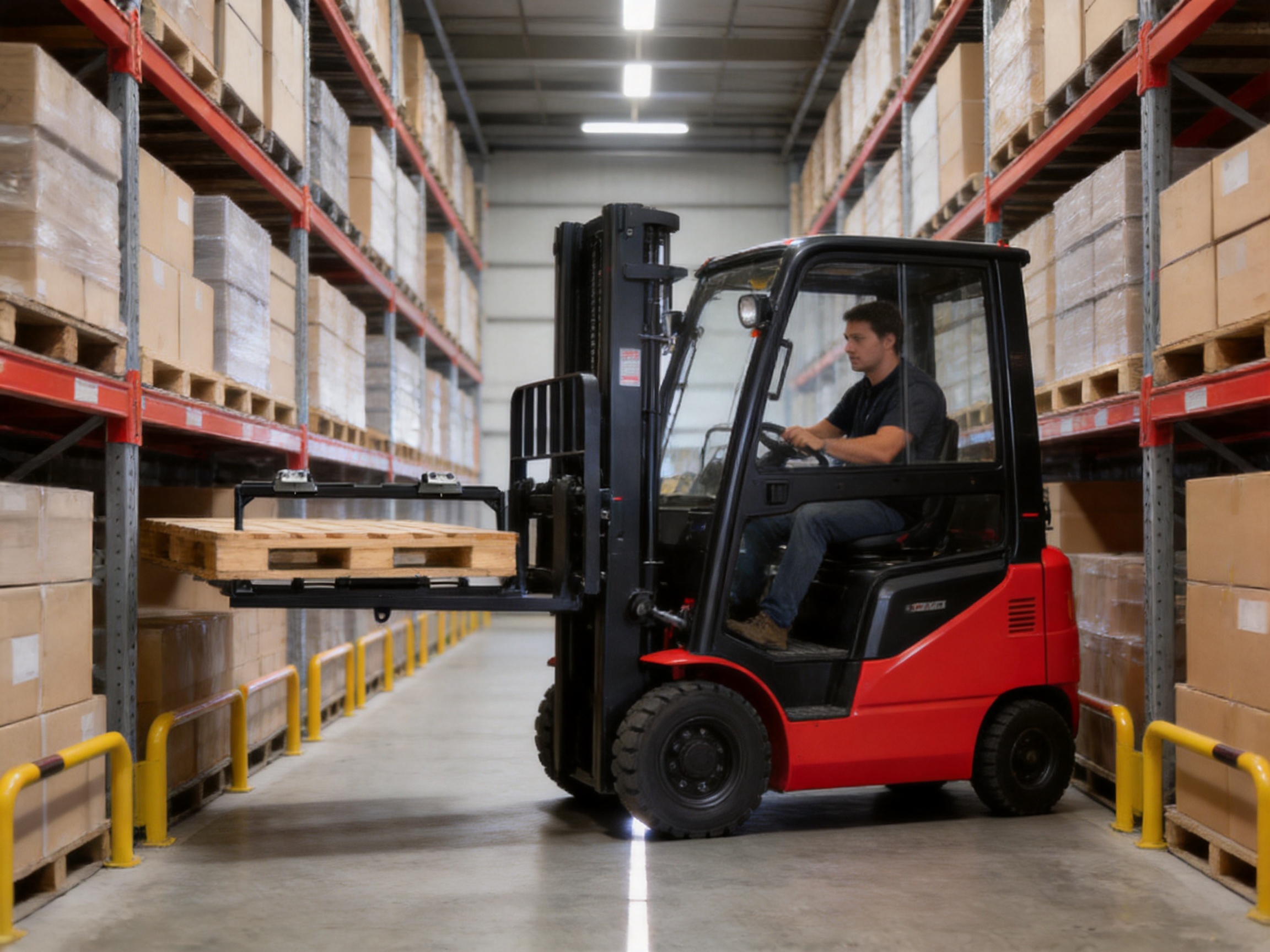
In pallet warehouses, the side shifter helps operators align loads with rack beams and storage positions. It is useful when aisle width is limited or when pallets are not perfectly positioned in the staging area. Horizontal adjustment can reduce the need for repeated steering and support a more consistent storage routine.
Trailer and container interiors often provide limited clearance. A side shifter can help operators make small alignment corrections when placing pallets in rows. The operator still needs to observe load height, floor condition, ventilation, visibility, and the safe limits of the forklift. The attachment is an aid to control, not a substitute for a loading plan.
Factories frequently move raw materials, work-in-process containers, finished goods, molds, and components between production areas. A side shifter can be helpful when loads must be placed beside equipment or aligned with fixed transfer points. Its ability to make fine adjustments can reduce interruptions to production traffic.
Cross-docking operations depend on fast transfer between receiving and dispatch areas. When pallets arrive with small variations in position, horizontal fork adjustment can help operators manage the flow more efficiently. Faster alignment may support smoother staging and reduce congestion during peak periods.
Cold-store operators may work with limited time in temperature-controlled zones and with packaging that becomes less flexible in low temperatures. A durable side shifter can help operators place pallets accurately while limiting unnecessary movement. The selected hydraulic oils, seals, lubrication practices, and maintenance schedule should be appropriate for the actual temperature range.
Construction materials, packaged panels, bags, cartons, and industrial components can vary considerably in size and weight. A side shifter helps adapt fork position to different pallet arrangements, but operators must verify load stability and attachment capacity for every load type. Long or irregular loads may require additional attachments or specialized handling procedures.
Safety depends on equipment condition, operator training, site organization, load assessment, and compliance with applicable regulations. The side shifter contributes by giving the operator more precise control over fork alignment. Better alignment can help both forks enter the pallet evenly and can reduce the temptation to force a load into position with steering or impact.
Before lifting, the operator should confirm that the forks are fully engaged, the load is stable, the load center is suitable, and the travel route is clear. The forks should be adjusted before the load is raised whenever possible. Side-shifting a raised load should be performed only when permitted by the forklift and attachment instructions, and the operator should understand how movement affects stability.
Load protection is another important benefit. Poorly aligned forks may strike pallet boards, stretch wrap, cartons, or product edges. A smooth horizontal adjustment can reduce these contacts. It can also help place goods without pushing them against rack uprights or adjacent pallets. Reduced damage may improve customer satisfaction and lower the cost of repacking or product claims.
Routine maintenance helps preserve the performance of any hydraulic attachment. The inspection frequency should reflect operating hours, environment, load intensity, and the recommendations for the specific configuration. In dusty warehouses, outdoor yards, or high-cycle applications, sliding surfaces and hydraulic connections may require more frequent attention.
Operators should visually inspect the attachment before use. Look for cracked welds, bent components, loose fasteners, damaged hoses, fluid leakage, and unusual wear. The forks should move smoothly and remain properly supported. Any change in sound or movement should be investigated rather than ignored.
Dirt and pallet debris can accumulate around sliding surfaces and interfere with movement. Cleaning helps prevent abrasive contamination from accelerating wear. Lubrication should follow the recommended type and interval. Excessive lubricant can attract dust, so the goal is suitable lubrication rather than simply applying a large quantity.
Hydraulic hoses and fittings should be checked for abrasion, cuts, swelling, looseness, and leakage. Never use hands to search for a hydraulic leak under pressure. Depressurize the system and use safe inspection methods. Damaged hydraulic components should be replaced by qualified personnel.
Periodic inspection should include mounting security, cylinder condition, sliding clearances, structural welds, fork supports, and load-bearing components. Maintenance records can help identify recurring problems and support decisions about replacement parts or operating changes. HanDavos can assist customers with spare-parts communication and technical guidance for suitable maintenance planning.
Fleet managers should begin with the actual work rather than a generic product name. A side shifter for a compact warehouse forklift may have different requirements from one used on a heavy-duty truck outdoors. The number of operating hours, common pallet dimensions, average load weight, aisle layout, and climate all influence the appropriate configuration.
Forklift data should be collected before requesting a quotation. Useful information includes the truck model, rated capacity, carriage class, carriage height, hydraulic functions, fork dimensions, and photographs of the front carriage. Details about the load, load center, side-shift range, and working environment will help reduce the risk of selecting an unsuitable attachment.
Prioritize smooth movement, durable sliding surfaces, easy inspection, and compatibility with repeated daily operation.
Confirm the required adjustment range, visibility, carriage dimensions, and the effect of the attachment on overall truck width.
Verify rated capacity, load center, structural requirements, hydraulic performance, and the residual capacity of the forklift.
Review each forklift individually rather than assuming that one attachment configuration fits every truck.
Purchasers should also consider the supplier's ability to support future needs. A reliable supplier can help identify compatible attachments, coordinate spare parts, explain installation requirements, and provide technical responses after delivery. This is particularly important for customers operating several forklift brands or importing equipment across different regions.
Shanghai HanDavos International Trading Co., Ltd. has more than 20 years of experience in forklift sales, used forklift supply, forklift parts, attachments, exports, leasing, and related services. Its portfolio includes equipment associated with recognized manufacturers such as BYD, Toyota, HELI, HANGCHA, JAC, and LINDE. This broad product knowledge helps the company understand how attachments interact with different forklift types and working conditions.
The company's Kunshan base provides access to standardized warehouse facilities, product inventory, and logistics coordination. Customers can seek more than a single attachment. They can discuss forklift selection, technical requirements, operation guidance, spare parts, maintenance, and after-sales support through one established contact.
International supply also requires attention to communication and preparation. Product specifications must be clearly confirmed, packaging must protect the attachment during transport, and documents must correspond with the shipped configuration. A supplier familiar with export procedures can help reduce avoidable delays and misunderstandings.
The company focuses on cost-effective solutions rather than treating every request as a standard transaction. Some customers need a side shifter for one replacement forklift. Others may need attachments for a complete fleet, a warehouse expansion, a used-truck refurbishment program, or a long-term leasing project. The correct solution depends on the application and can be discussed with the technical and sales team.
Installation should be completed by trained personnel according to the attachment and forklift instructions. The carriage should be cleaned and inspected before mounting. The attachment must be correctly positioned, locked, and connected to the hydraulic circuit. Hoses should be routed to avoid crushing, sharp edges, excessive bending, and contact with moving parts.
After installation, the attachment should be tested without a load and then under controlled conditions. Check full horizontal movement, cylinder response, hose routing, mounting security, fork engagement, and visibility. Any abnormal noise, jerking, leakage, or interference should be resolved before normal operation begins.
Installation may affect the forklift's rated capacity and load center. The truck's capacity plate and operating documentation should reflect the attachment where required by applicable standards and local rules. Operators should be informed about the change in equipment behavior, including any change in turning clearance, visibility, or stability.
The value of a side shifter is measured through more than its purchase price. A productive attachment can help save handling time, reduce repeated truck movements, and improve pallet placement. A durable structure can reduce the frequency of repairs caused by deformation or premature wear. Stable hydraulic movement can help reduce product damage and operator frustration.
Fleet owners can evaluate the attachment by tracking practical indicators such as average pallet-handling time, correction movements per load, damage incidents, maintenance interruptions, hydraulic leakage events, and operator feedback. A simple comparison before and after installation may show where the attachment creates the greatest benefit.
For example, a warehouse that handles a high volume of offset pallets may gain more from precise horizontal adjustment than a facility that handles only a few loads per day. Similarly, a narrow-aisle operation may value reduced steering movements more than an open yard. The right attachment creates value when its capabilities match a real operational need.
The visual comparison is an explanatory guide, not a guaranteed performance measurement. Actual results depend on forklift type, operator skill, load conditions, layout, and maintenance.
A forklift side shifter moves the forks horizontally from side to side. It allows the operator to correct fork alignment with a pallet or storage position without repositioning the entire forklift.
No. Compatibility depends on the forklift model, rated capacity, carriage class, mounting dimensions, hydraulic functions, fork configuration, and load center. These details should be confirmed before purchase and installation.
It can improve productivity by reducing repeated steering, reversing, and approach movements. The actual improvement depends on the warehouse layout, load frequency, operator technique, and how often alignment corrections are required.
The reinforced alloy-steel structure and welded construction are intended to support demanding material-handling applications. The attachment must still be selected according to its rated capacity and used within the limits of the forklift and attachment.
A suitable hydraulic cylinder and correctly connected system support responsive and controlled horizontal movement. Smooth control helps the operator make small corrections near racks, pallets, trailers, and other obstacles.
Routine care includes visual inspection, cleaning, lubrication where specified, hydraulic hose and fitting checks, sliding-part inspection, and periodic professional examination of welds, mounting points, cylinder condition, and clearances.
Only if the attachment is approved and compatible with each forklift. The carriage, capacity, hydraulic circuit, mounting dimensions, and load-center requirements must be checked for every truck before transfer.
Useful information includes the forklift brand and model, rated capacity, carriage class, fork size, hydraulic details, intended side-shift range, load type, load center, working environment, and photographs of the carriage. This information helps identify a suitable configuration.
Operators should be trained on the forklift and the attachment, including capacity limits, stability effects, hydraulic controls, inspection routines, load engagement, and safe side-shifting procedures. Training should follow applicable local requirements.
It allows the forks to be aligned more accurately before lifting and placement. Better alignment can reduce contact with pallet boards, cartons, rack uprights, and neighboring loads, although careful operation remains essential.
The Forklift Accessories Forklift Side Shifter is designed to solve a common material-handling challenge: placing forks accurately when the forklift cannot or should not be repositioned. Its horizontal movement capability supports faster pallet alignment, more flexible placement, and smoother warehouse workflows.
Its value is strengthened by a high-strength alloy-steel structure, reinforced welding, hydraulic cylinder control, wear-resistant sliding parts, and compatibility with many standard forklift configurations. These features are supported by the manufacturing knowledge, warehouse resources, export experience, product range, and service capabilities of Shanghai HanDavos International Trading Co., Ltd.
For the best result, customers should evaluate the complete application before ordering. The forklift, carriage, attachment, hydraulic system, load, aisle, and operating pattern must work together as one safe system. With correct selection, professional installation, regular maintenance, and trained operators, a side shifter can become a valuable productivity and load-control upgrade for warehouses, factories, distribution centers, and industrial sites.
Shanghai HanDavos International Trading Co., Ltd. can support product selection, forklift matching, spare-parts coordination, technical consultation, export preparation, and after-sales communication.
Telephone: +86 150 6265 1609
Email: forklift-05@aliyun.com
Office: No. 398 Hengchangjing Road, Zhoushi Town, Kunshan City, Jiangsu Province, China
Additional location: No. 199 Huangpu River Middle Road, Kunshan Development Zone, Jiangsu Province, China
Recommended Products
Recommended NEWS



 English
 中文简体
 русский
 Español
 عربى